BRICS SUMMIT 2026: Is The Dollar Losing Its Grip? From Rupee To Yuan, BRICS’ New Cross-Border Payment Plan
BRICS 2026 is exploring a new cross-border payment system to make global trade faster, cheaper and easier while encouraging local currencies and reducing dependence on the US Dollar.
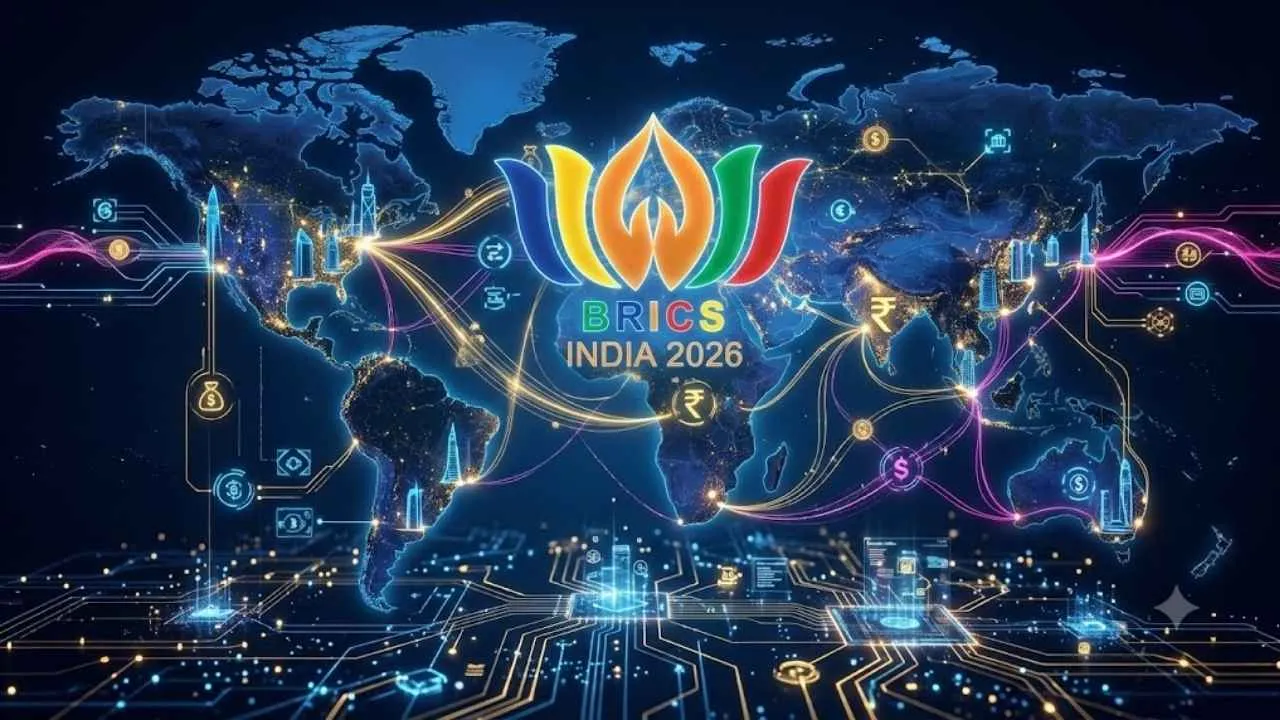
While BRICS is the highlight of the session right now, let's look into what else is happening at BRICS this time. All the BRICS countries are working to make a new payment pathway. This is to be a new way of making international payments faster. Not just faster, they are working to make it cheaper and easier, which means less extra money to be paid.
The proposal of the BRICS Cross-Border Payment Initiative is to connect the different payment systems of different countries with each other and trade in their own local currencies.
This will make the countries that are a part of BRICS use their own currencies, like Rupee, Yuan, Ruble, etc., instead of depending on the standard currency, Dollar. Although BRICS has not yet launched a common currency or an operational system that could replace SWIFT.
This initiative is still in a dormant stage and is under development. The countries that are part of BRICS want all their transactions to be less expensive, less complicated, more efficient and even more flexible.
How Will the BRICS Cross-Border Payment System Work?
The main idea is to improve the connection between different national payment systems.
- India has UPI
- China has CIPS
- Russia has its own financial messaging system
- Brazil has Pix
The BRICS countries are looking into ways to improve the compatibility of these systems for cross-border payments. The initiative also facilitates increased usage of local currencies. Which means and aims the transaction between two countries could be settled directly. This would be in their own currencies, rather than the money first being converted into US Dollars, and other aftermaths.
What Is SWIFT?
SWIFT stands for the Society for Worldwide Interbank Financial Telecommunication. This is a platform used globally as a messaging network. Not for ordinary people, this is for banks to use securely and send information about international money transfers. Although SWIFT is a global platform, it does not directly move money. It sends payment instructions between banks. The pattern is, if India pays a German supplier, banks use SWIFT to share the details securely. BRICS is exploring alternative payment arrangements that could reduce dependence on traditional cross-border payment networks.
BRICS Payment Initiative vs SWIFT
| Feature | Existing System (SWIFT) | BRICS Initiative |
| Main Focus | Global banking communication | Connecting national payment systems |
| Major Currencies | US Dollar and Euro widely used | Greater use of local currencies |
| Status | Fully operational | Still under development |
| Payment Method | Correspondent banking | Improved interoperability |
| Main Goal | Global financial connectivity | Faster and more diverse payment options |
Why Is BRICS Working On This?
There are several reasons behind the initiative:
-
To make international payments faster
-
To reduce transaction costs
-
To reduce the number of intermediaries
-
To increase the use of local currencies
-
To improve financial independence
-
To provide more payment options during geopolitical tensions
What Will Be The Impact Of This Globally?
If this plan of the BRICS countries is successful, it will surely impact the global payment system. This will make trade easier, and less dependent on the US Dollar route. One of its bigger goals is to decentralise the role of the US Dollar in global trade. This will encourage the countries to use their own currencies and pay the trade's actual value rather than being in the hustle of one currency conversion payment system. Replacing the existing financial system is no small task. The US Dollar still dominates international payments. For now, BRICS is focused on creating more choices, better connectivity and less dependence on one currency or system, rather than replacing the Dollar or SWIFT.

Aishwarya Samant is a journalist with over 4 years of experience navigating the fast-paced corporate media landscape. She specializes in decoding business news, world economy, personal finance, and stock market trends, often adding a subtle touch of political perspective to keep things interesting.
Having worked with reputed organizations like ZEE, TV9, News24, and NewsX, she is no stranger to the newsroom hustle and the demands of real-time storytelling. Her writing style is fast-paced, engaging, and crafted to connect seamlessly with diverse audiences across platforms. She approaches every story from the reader’s point of view, breaking down complex topics into clear, relatable narratives backed by solid facts and credible sources. While she’s confident in expressing strong viewpoints, she ensures balance with insights. Sharp, fact-driven content that informs, engages, and keeps readers coming back for more.


![[OUT] EMRS Tier 2 Result 2026 Live: Download PRT, TGT and PGT Result PDF at nests.tribal.gov.in](https://img.jagranjosh.com/images/2026/August/3182026/EMRS-Tier-2-Result-2026.jpg)