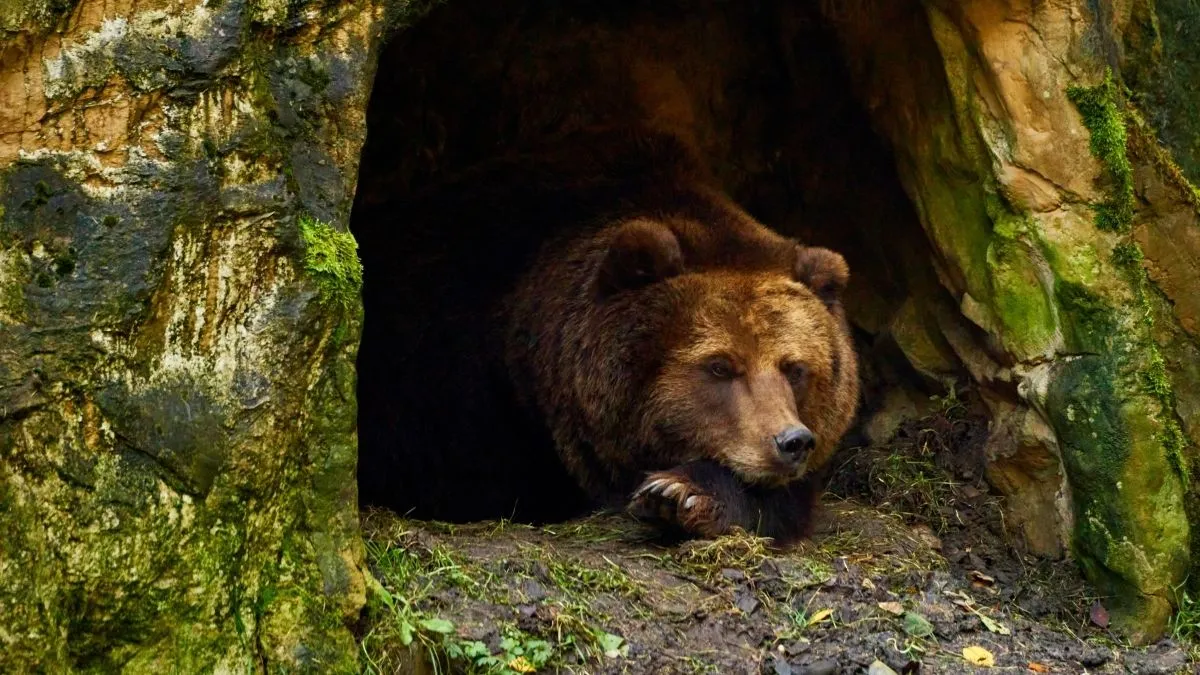
Key Points
- Arctic Ground Squirrels supercool to -3°C, preventing ice formation in their blood.
- Wood Frogs freeze solid, stopping heartbeats, using glucose as antifreeze.
- Studies from 2024-2025 show hibernation involves molecular switches.
What animals hibernate in winter the most? Hibernation is not just a long winter nap; it's a complicated biological process that helps animals stay alive.
We often think of bears sleeping in caves when it comes to hibernation, but new studies from 2024 and 2025 show that hibernation involves complex molecular switches that keep muscles from wasting away and organs from getting hurt.
Researchers say that learning more about what is hibernation as a genetic mechanism, especially in animals like the Arctic Ground Squirrel, could even lead to new ways to treat human obesity and strokes.
For the curious observer, nature offers a variety of true hibernators and those who enter a lighter state called torpor. Here is a look at the most fascinating animals that hibernate and practically shut down their bodies to outlast the winter.
Top 7 Animals that Hibernate in Winter
First and foremost, take a look at this quick summary of the unique hibernation styles of seven famous animals, mainly in winter.
| S.No. | Hibernating Animal Name | Type of Dormancy | Key Survival Tactic |
| 1 | Arctic Ground Squirrel | True Hibernation | Lowers body temp below freezing ("supercooled"). |
| 2 | Black Bear | Torpor / Hibernation | Metabolic suppression without a drastic temp drop. |
| 3 | Wood Frog | Cryobiosis | Freezes solid; heart stops beating. |
| 4 | Little Brown Bat | True Hibernation | Drastic heart rate drop in caves (hibernacula). |
| 5 | Fat-Tailed Dwarf Lemur | Tropical Hibernation | Stores fat in tail; hibernates during dry seasons. |
| 6 | Common Poorwill | Torpor | The only bird species known to hibernate. |
| 7 | Hedgehog | True Hibernation | Rolls into a ball; heart rate drops by 90%. |
Also Read - List of Top 7 Animals that Turn White in Winter: Revealed
1. Arctic Ground Squirrel
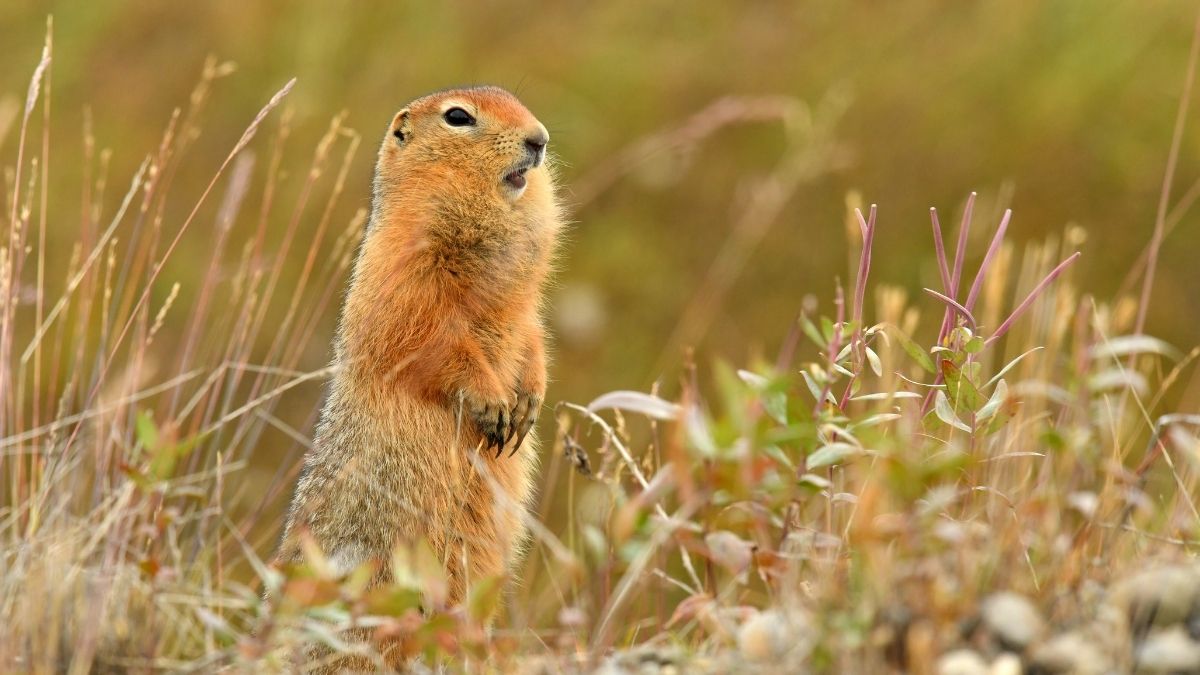
The Arctic Ground Squirrel is a biological marvel and arguably the toughest hibernator on the planet. Native to the tundra, this small creature does something no other mammal can: it lowers its body temperature to below freezing, around -3°C (26°F), without dying.
This state, known as supercooling, prevents ice crystals from forming in their blood. During this deep sleep, their heart rate can plummet from 300 beats per minute to just 3 or 4. They wake up shivering every few weeks to warm their bodies back up before going back under.
2. Black Bear
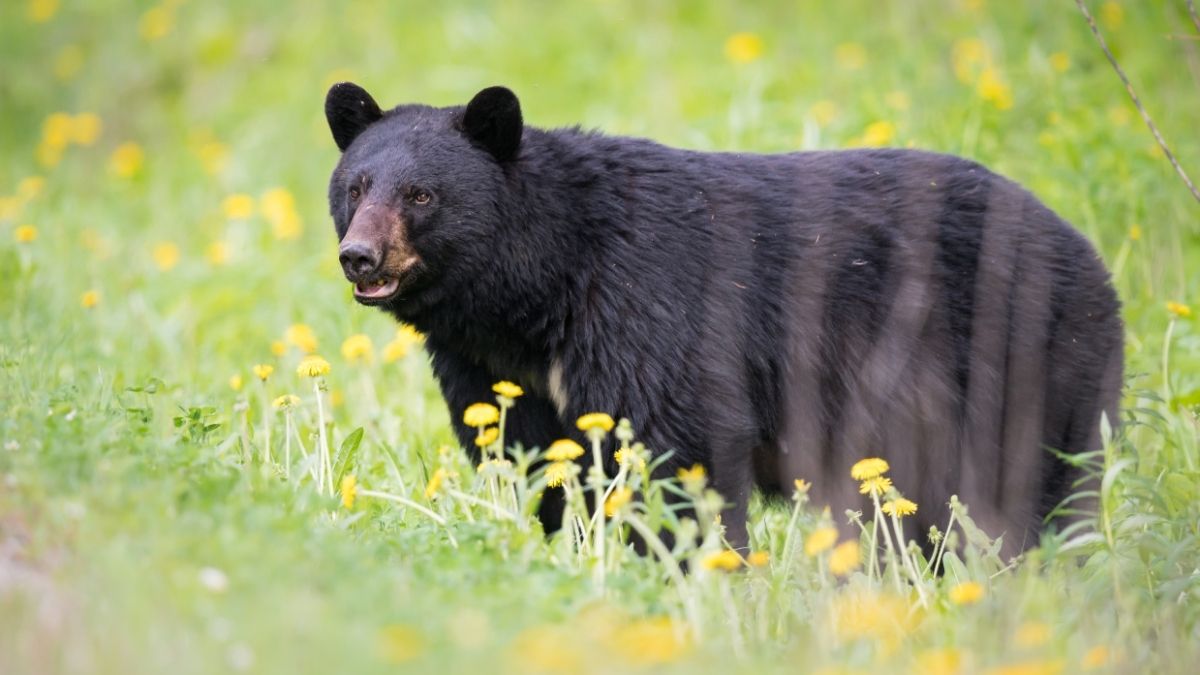
When people ask what animals hibernate in the winter, the Black Bear is usually the first answer. However, scientists have debated for years whether bears are true hibernators. Unlike squirrels, a bear's body temperature only drops a few degrees.
This allows them to react quickly to danger. Yet, their metabolic rate drops by up to 75%, and they do not eat, drink, or release waste for months.
Recent research suggests this unique state is a highly specialized metabolic suppression that preserves their muscle mass despite months of inactivity.
3. Wood Frog
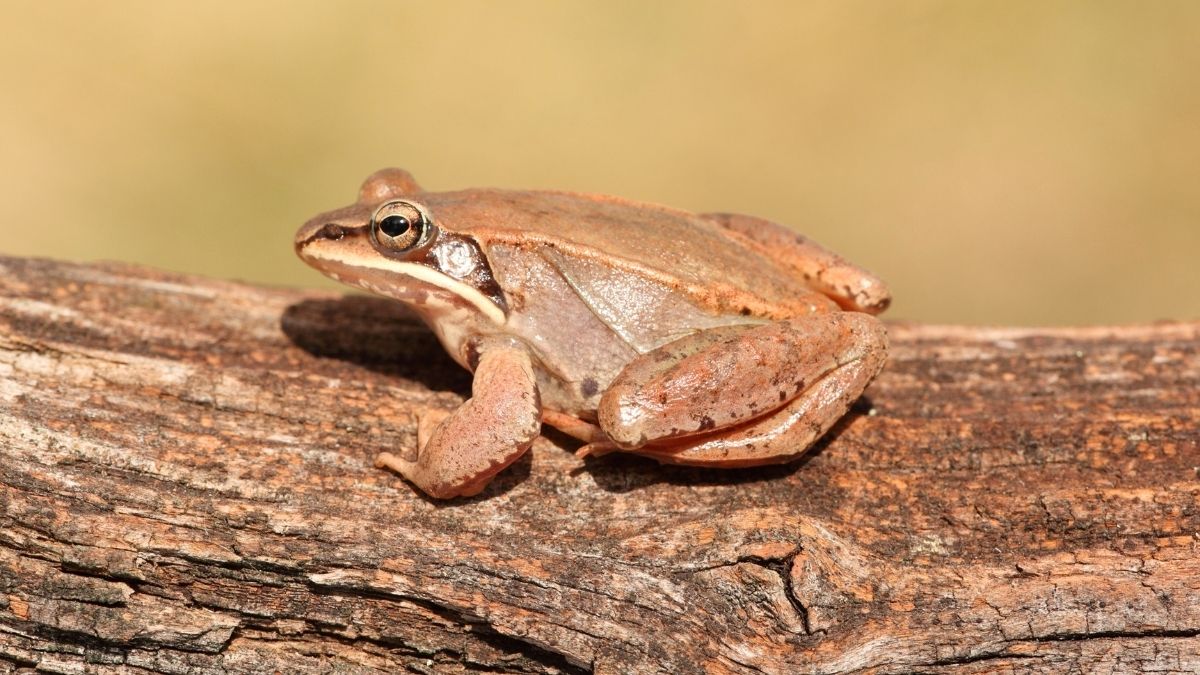
The Wood Frog takes winter survival to the extreme. Instead of hiding deep underground to avoid the frost, these frogs burrow just under leaves and allow themselves to freeze solid.
Up to 65% of the water in their body turns to ice. Their heart stops beating, and they stop breathing.
They survive by producing high levels of glucose, which acts as a natural antifreeze to protect their vital organs. When spring arrives, they thaw out and hop away as if nothing happened.
4. Little Brown Bat
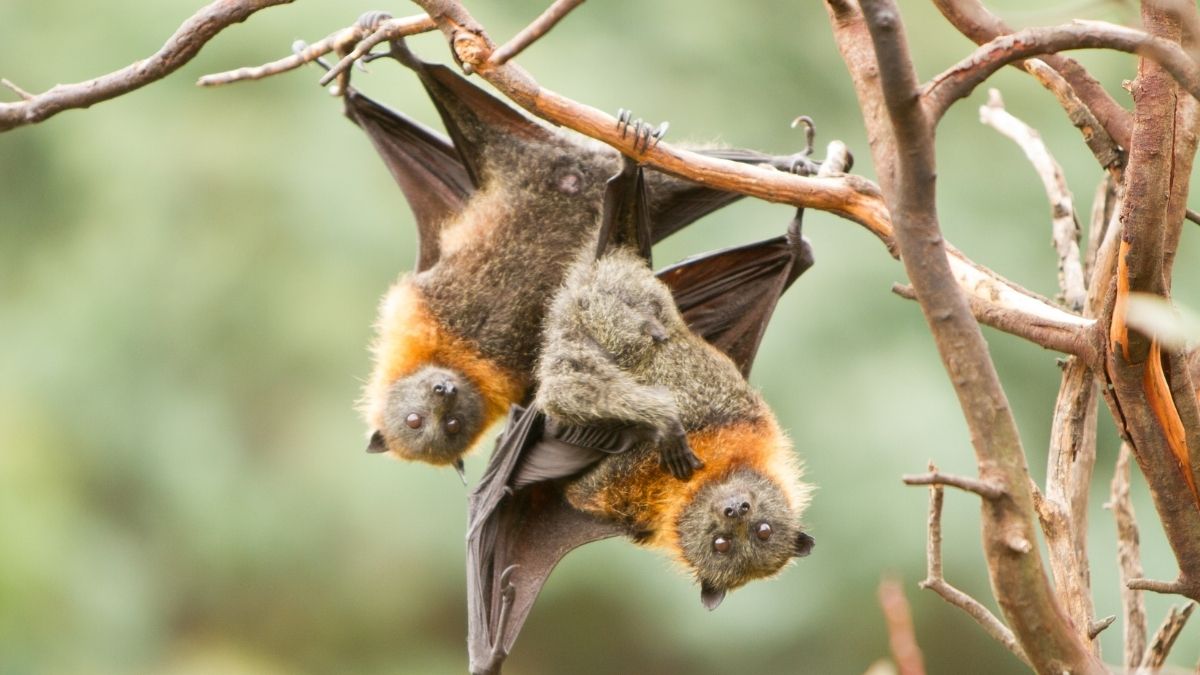
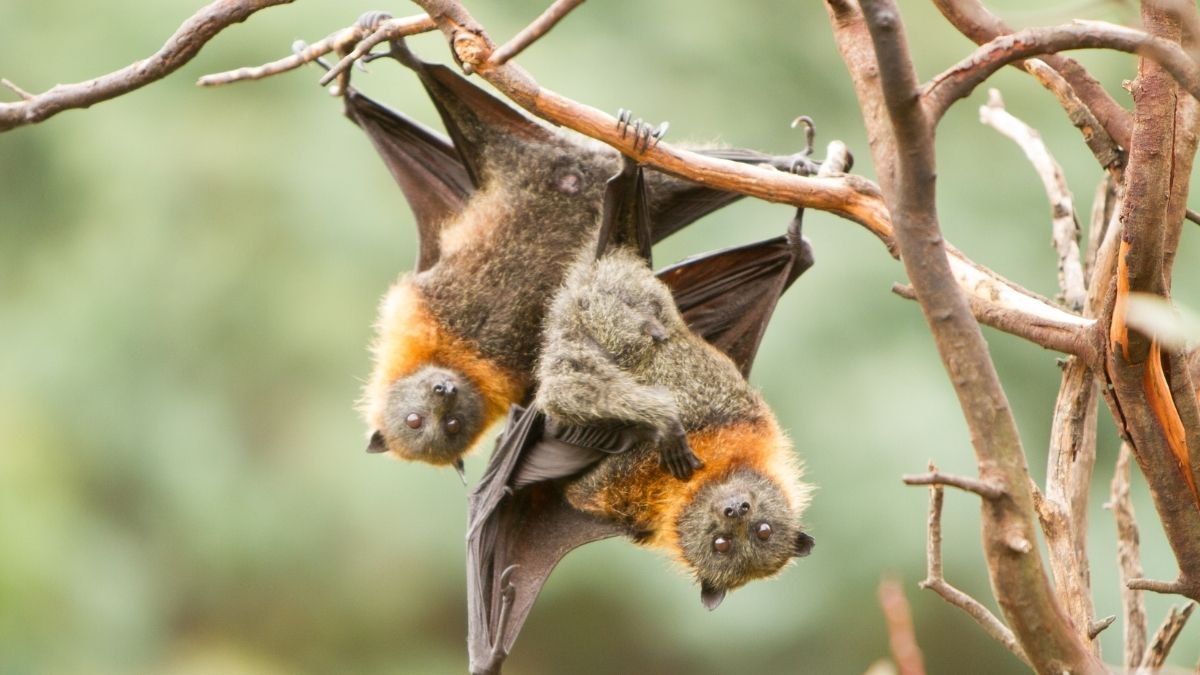
Bats are classic examples of animals that hibernate in groups. They retreat to caves or mines, known as hibernacula, where temperatures remain stable. The Little Brown Bat reduces its heart rate from over 1,000 beats per minute while flying to less than 20 beats per minute during hibernation.
These massive energy savings are crucial because they rely entirely on stored body fat. Tragically, this deep sleep makes them vulnerable to White-Nose Syndrome, a fungal disease that wakes them up too early, causing them to starve.
5. Fat-Tailed Dwarf Lemur
People usually think that hibernation only happens in cold places, but the Fat-Tailed Dwarf Lemur shows that this isn't true. This is the only primate that is known to hibernate for long periods of time. It lives in Madagascar.
They don't get away from the cold; instead, they hibernate to get through the dry season when food and water are hard to find. They eat a lot of food before they sleep, which stores fat in their tails (hence the name). This keeps them alive for up to seven months.
6. Common Poorwill
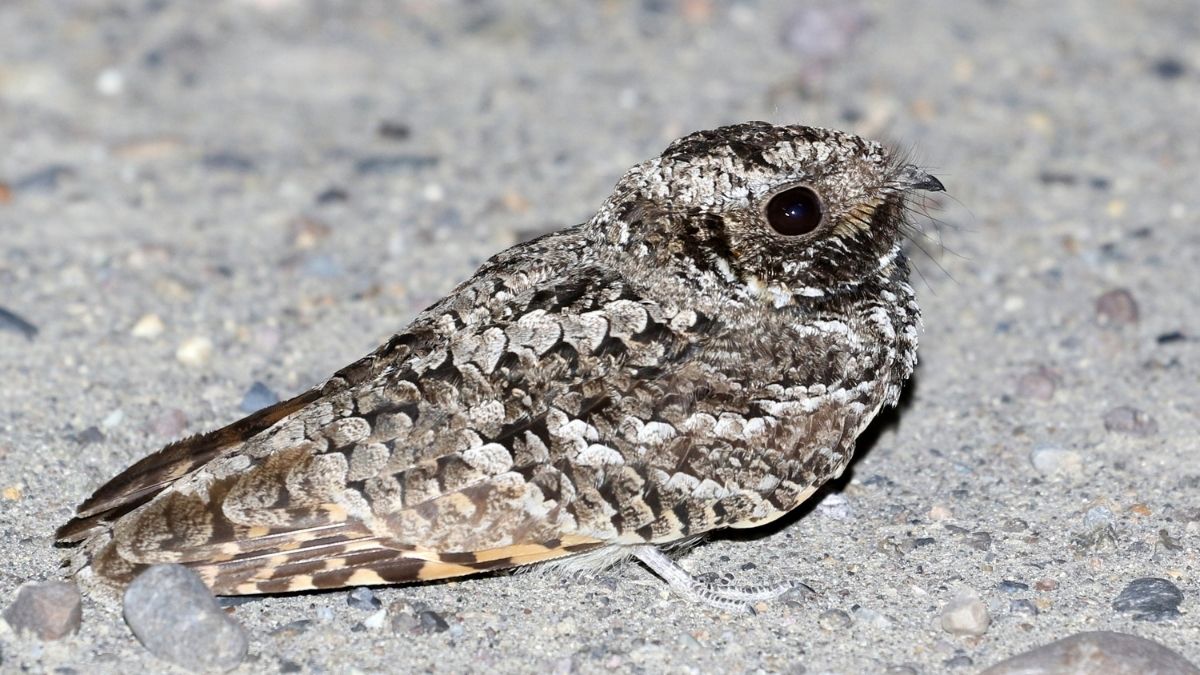
Most birds migrate to get away from the cold, but the Common Poorwill does not. It is the only bird species confirmed to enter a state of hibernation. found in the western United States, these birds hide under rocks or rotten logs when temperatures drop.
They can lower their body temperature significantly and stay in a state of torpor for weeks to conserve energy, waiting for insect populations to return in the spring.
7. Hedgehog
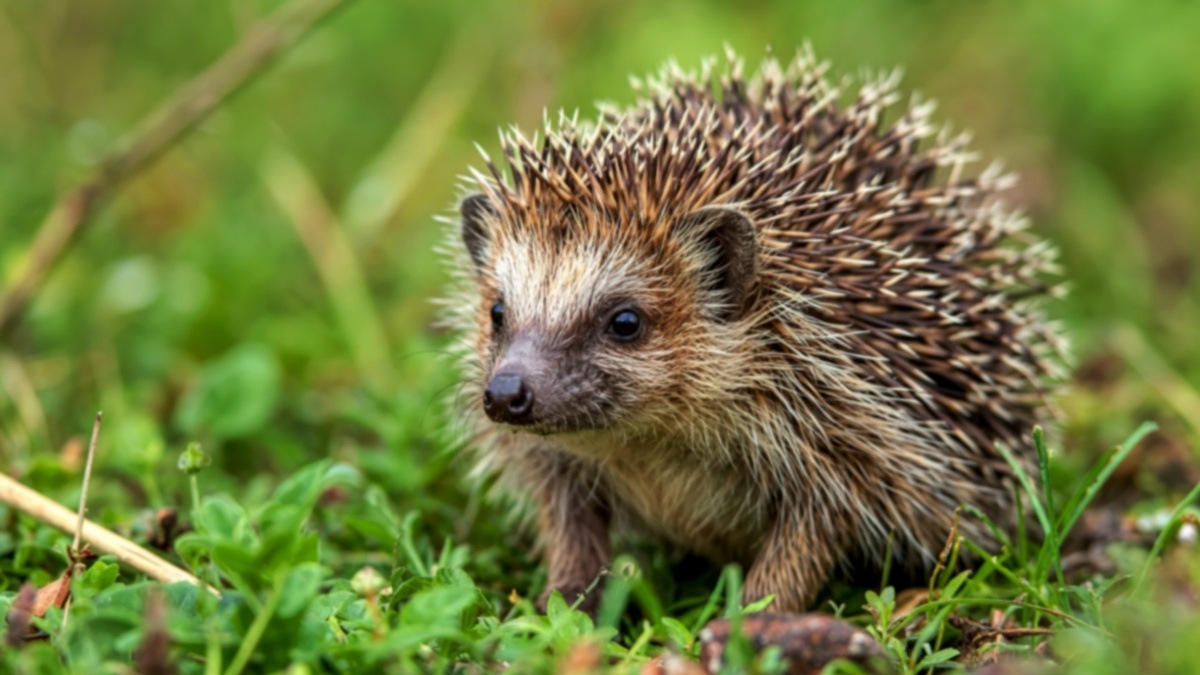
The Hedgehog is a true hibernator commonly found in gardens across Europe. As winter approaches, they build distinct nests called hibernacula made of leaves and grass.
During hibernation, a hedgehog's body functions slow down drastically; their heart rate drops from 190 beats per minute to just 20. However, they are not completely comatose.
On mild winter days, a hedgehog might wake up briefly to forage before returning to sleep until the consistent warmth of spring arrives.
Check Out - List of 5 Most Famous Animals that Migrate in Winter: Revealed
Hibernation is not just a deep sleep; it is a biological strategy that animals can use in many different ways. These animals have come up with amazing ways to extend their lives so they can survive in harsh conditions. For example, the frozen Wood Frog and the tropical Dwarf Lemur.
Scientists are keeping a close eye on how these animals change their hibernation cycles as climate change changes the weather. Learning their secrets could one day help people find new ways to treat metabolic diseases or keep organs safe for transplant.



-1767073462439.jpg)
-1768241794469.jpg)
-1768222025659.jpg)
Comments
All Comments (0)
Join the conversation