Agnipath Scheme New Rules 2026: After 2-Year Extension, More Relief Proposed for Agniveers; How Can They Become Permanent Soldiers?
Under the revised framework approved by the Union Cabinet, 25 per cent of each Agniveer batch will continue to be considered for regular enrolment after four years, based on merit. The remaining 75 per cent will be offered an additional two-year engagement, if willing. After completing six years, they can seek enrolment as regular soldiers, subject to willingness and meeting the services’ selection criteria.
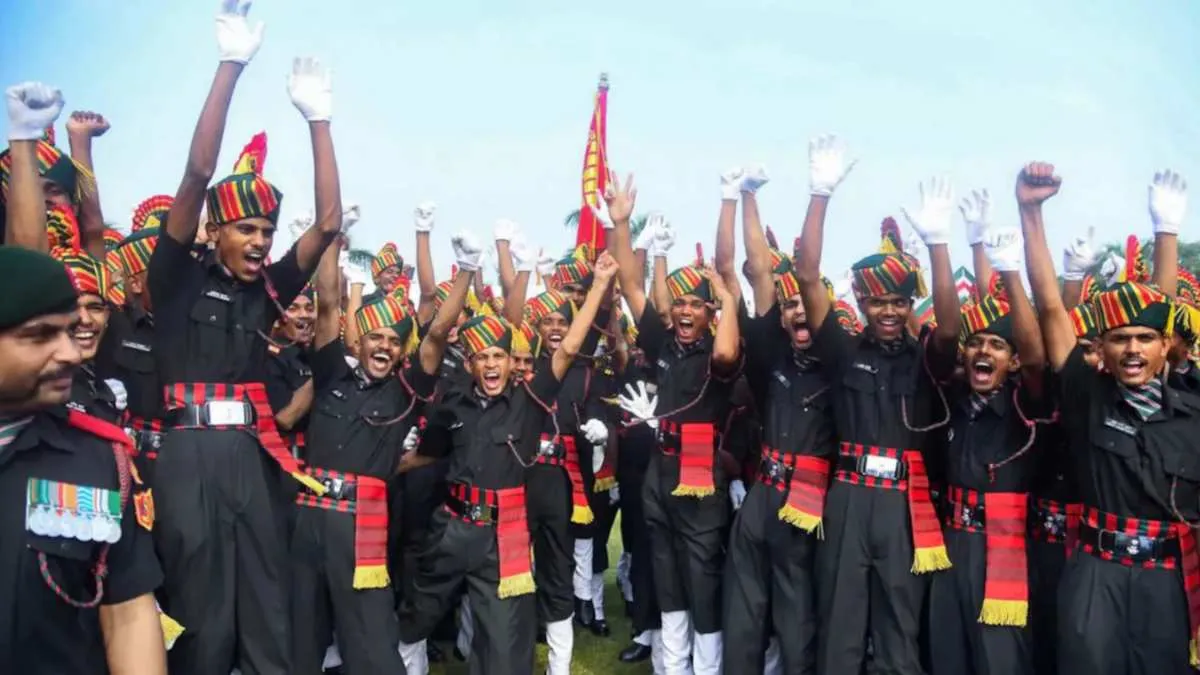
The Agnipath overhaul has opened a longer route to regular military service for Agniveers, while proposals on marriage and family benefits could reshape conditions for recruits. Declared on November 4, the changes address concerns over the initial four-year tenure and low retention. But not every proposal is final: selection standards and the marriage relaxation remain under consideration.
Two-Stage Route to Regular Service for Agniveers
Under the revised framework approved by the Union Cabinet, 25 per cent of each Agniveer batch will continue to be considered for regular enrolment after four years, based on merit. The remaining 75 per cent will be offered an additional two-year engagement, if willing. After completing six years, they can seek enrolment as regular soldiers, subject to willingness and meeting the services’ selection criteria.
The Defence Ministry says the extension will carry higher remuneration, an enhanced Seva Nidhi package and seniority benefits. The Agnipath scheme will continue; the change adds another opportunity rather than guaranteeing permanent jobs to every recruit.
Detailed criteria for absorption after six years are still being worked out. The Indian Express reported that military authorities are considering performance in combined physical tests, firing proficiency, medical fitness, discipline and technical skills. Multi-skilled Agniveers familiar with new weapons and technology may receive preference. A written examination alongside unit-level physical and firing tests is also under discussion.
| Key change | What it means for Agniveers |
| Initial service | Four years under the Agnipath scheme |
| First retention stage | 25% may be selected for regular enrolment after four years |
| Two-year extension | Remaining 75% may be offered an additional two-year engagement |
| Permanent service opportunity | Extended-service personnel may seek regular enrolment after six years, subject to selection criteria |
| Selection criteria | Physical fitness, firing skills, medical fitness, discipline and technical proficiency are under consideration |
| Marriage rules | Proposal to allow marriage after the initial four years; not formally notified |
| Financial benefits | Higher remuneration, enhanced Seva Nidhi and seniority benefits during the extension |
Headquarters Integrated Defence Staff has said the criteria remain under deliberation. These possible benchmarks should not be treated as notified rules. Medical-category cases and disciplinary records are also being examined, with possible exceptions for injuries attributable to military service.
Marriage and Maternity Proposals for Agniveers
A separate proposal could allow male and female Agniveers to marry after completing their initial four-year engagement, including those taking the extension. Under existing conditions, recruits must remain unmarried during the first four years. The proposed relaxation has not been formally notified.
For women, the change raises questions about maternity and childcare entitlements during extended service. Existing provisions provide eligible women personnel 180 days of maternity leave, but their precise application to Agniveers on the additional engagement has not been settled.
What It Means for Agniveer Recruits
The revamp offers greater continuity, a second chance at regular service and improved financial terms. Yet selection will remain competitive, and recruits should rely on official service instructions for final eligibility, leave and marriage rules.

At Jagran Josh, she specialises in writing explainers and analytical stories on international news and current affairs. Over the years, she has developed strong expertise in leveraging digital and multimedia tools, along with SEO best practices, to enhance the speed, reach, and impact of her stories.