Show Key Points
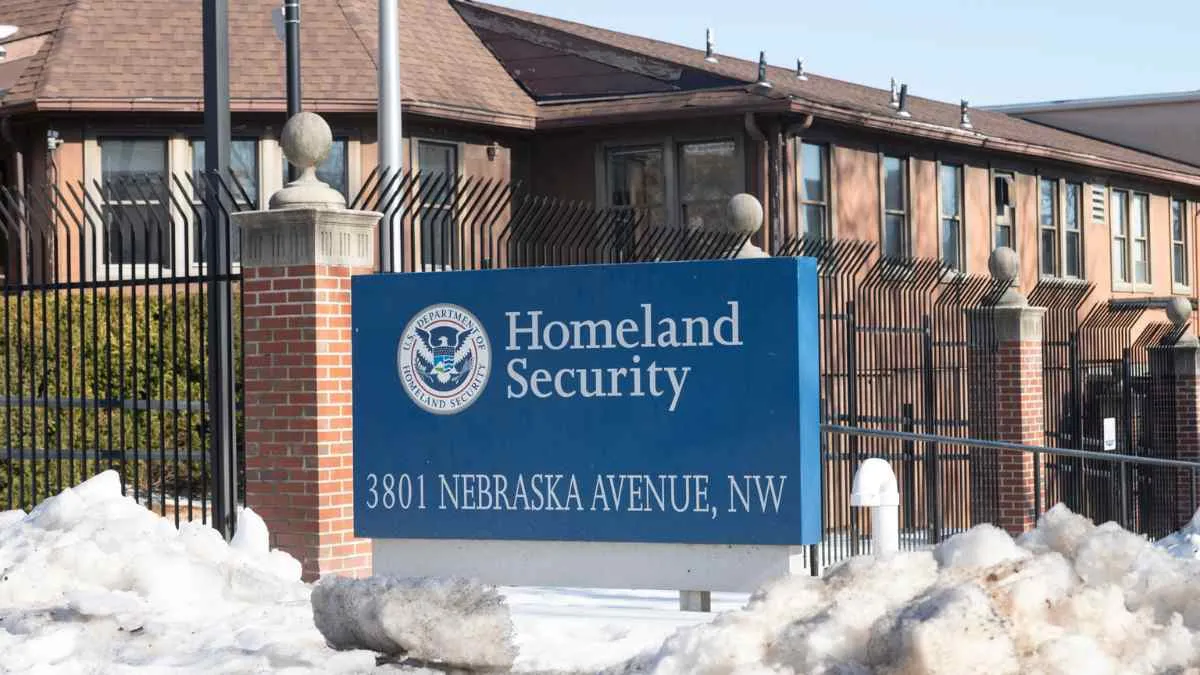
The Department of Homeland Security (DHS) is the largest federal department in terms of both size and age, with the Republican-controlled Congress creating it first as part of the USA PATRIOT Act in October.
The DHS is committed to national security and was developed after major events changed the way the U.S. addressed issues around safety and preparedness.
The Department of Homeland Security has thousands of employees, they are spread out all over the country, through federal offices located in Washington D.C. and at border crossings and points of entry into the U.S.
DHS includes many agencies and divisions that deal with different areas of responsibility, which allow for an effective use of limited resources.
DHS's activities have a direct impact on every person living in the USA, whether through travel, public service or other areas, DHS has become a part of the larger federal structure of the USA, and will continue to shape policies and approaches to current and emerging national safety priorities in the future.
Check Out: Why Did the U.S. Enter World War I?
1. Border and Immigration Security
To secure the borders of the U.S., DHS utilizes several agencies, including Customs and Border Protection (CBP) and Immigration and Customs Enforcement (ICE).
DHS actively seeks to prevent the illegal entry of people into the U.S. through human smuggling and trafficking, while also enforcing U.S. immigration law.
2. Prevention of Terrorism
DHS is responsible for preventing terrorist attacks from happening.
The Department gathers intelligence on possible threats to the U.S., tracks potential terrorist activity around the world, and creates action plans to work with local and federal law enforcement to stop potential attacks before they can happen.
3. Airport and Transportation Security
TSA is responsible for securing our airports and the airways that we use throughout the country. TSA employs screening processes for both people and their belongings to ensure that all Americans have a safe traveling experience in the air.
4. Disaster Response and Emergency Management
DHS provides assistance, rescue resources, and recovery assistance to Americans impacted by the effects of natural disasters, such as hurricanes, floods, and wildfires. Assistance is provided to affected areas through the use of the Federal Emergency Management Agency (FEMA).
5. Cybersecurity Protection
DHS provides protection for the governmental systems, infrastructures, and networks from cyber-based attacks. DHS protects against cyber thieves who try to hack into our computer systems and breach data.
Cyber threats that could damage national security and cause harm to our government are also monitored and prevented.
Conclusion
The DHS has a vital role in safeguarding the U.S. from terrorist activity, natural disasters, and other potential threats.
To achieve this end, DHS secures our borders, protects the safety of transportation companies, and responds to emergencies. DHS's mission is to provide the American people with a stable foundation by maintaining national security through the continued protection of citizens.



Comments
All Comments (0)
Join the conversation