Key Points
- State flowers, used mostly between the late 1800s and mid-1900s, symbolize state identity.
- The US National Flower is the Rose, designated on November 20, 1986, by President Reagan.
- By 2026, state flowers will help conservationists track climate shifts.
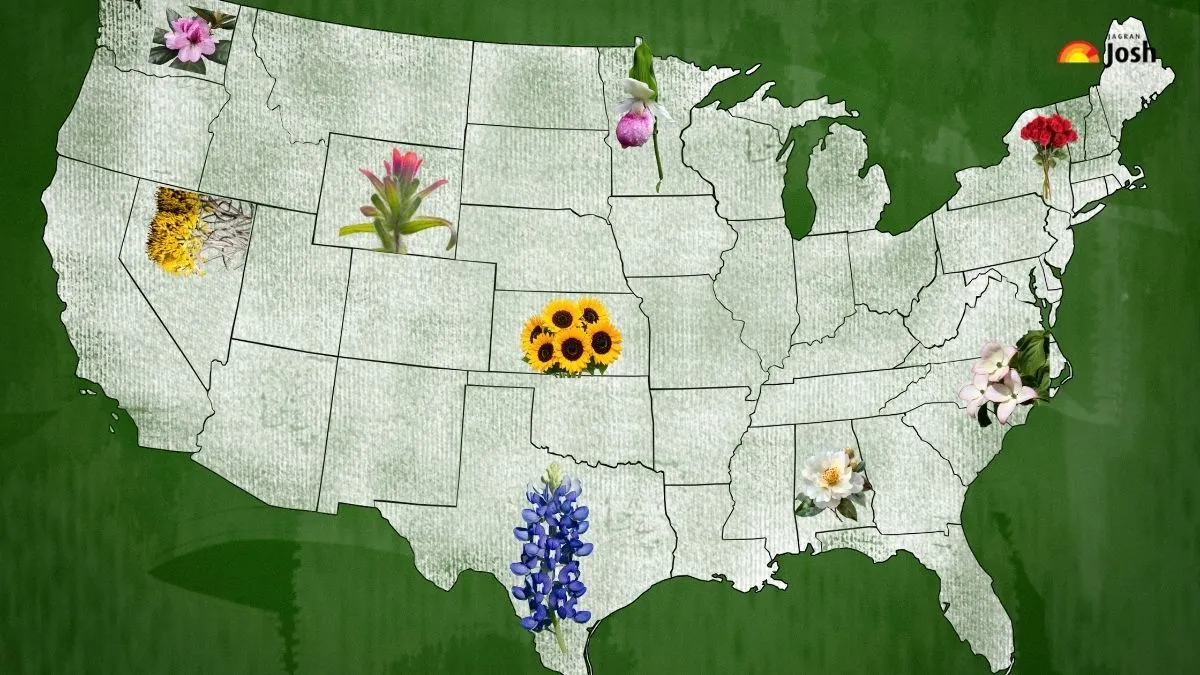
The knowledge of all the state flowers of the United States is like holding a botanical map of the country’s soul. People mostly used these flower symbols between the late 1800s and the middle of the 1900s.
As we get closer to the 2026 blooming season, early reports say that the recent rain patterns in the Southwest could make the California Poppy and Arizona's Saguaro blossom look amazing.
At the same time, the Mississippi state flower (Magnolia) and the Florida state flower (Orange Blossom) are still well-known symbols of Southern charm and pride in farming. Check out our full list below to find out what flower is your state's official flower.
List of All 50 States and Official State Flower
Each of the US state flowers serves as a legal symbol designated by state legislatures. While most states chose native wildflowers, some selected cultivated varieties to honor their local industries, such as the Peach Blossom in Delaware or the Apple Blossom in Michigan.
| S.No. | US State | Official State Flower | Year Adopted |
| 1 | Camellia | 1959 | |
| 2 | Forget-me-not | 1917 | |
| 3 | Saguaro Cactus Blossom | 1931 | |
| 4 | Apple Blossom | 1901 | |
| 5 | California Poppy | 1903 | |
| 6 | Rocky Mountain Columbine | 1899 | |
| 7 | Mountain Laurel | 1907 | |
| 8 | Peach Blossom | 1895 | |
| 9 | Orange Blossom | 1909 | |
| 10 | Cherokee Rose | 1916 | |
| 11 | Yellow Hibiscus | 1988 | |
| 12 | Syringa (Mock Orange) | 1931 | |
| 13 | Violet | 1908 | |
| 14 | Peony | 1957 | |
| 15 | Wild Prairie Rose | 1897 | |
| 16 | Sunflower | 1903 | |
| 17 | Goldenrod | 1926 | |
| 18 | Magnolia | 1900 | |
| 19 | White Pine Cone & Tassel | 1895 | |
| 20 | Black-eyed Susan | 1918 | |
| 21 | Mayflower | 1918 | |
| 22 | Apple Blossom | 1897 | |
| 23 | Pink & White Lady's Slipper | 1902 | |
| 24 | Magnolia | 1952 | |
| 25 | Hawthorn | 1923 | |
| 26 | Bitterroot | 1895 | |
| 27 | Goldenrod | 1895 | |
| 28 | Sagebrush | 1917 | |
| 29 | Purple Lilac | 1919 | |
| 30 | Violet | 1913 | |
| 31 | Yucca Flower | 1927 | |
| 32 | Rose | 1955 | |
| 33 | Flowering Dogwood | 1941 | |
| 34 | Wild Prairie Rose | 1907 | |
| 35 | Scarlet Carnation | 1904 | |
| 36 | Oklahoma Rose | 2004 | |
| 37 | Oregon Grape | 1899 | |
| 38 | Mountain Laurel | 1933 | |
| 39 | Violet | 1968 | |
| 40 | Yellow Jessamine | 1924 | |
| 41 | Pasque Flower | 1903 | |
| 42 | Iris | 1933 | |
| 43 | Bluebonnet | 1901 | |
| 44 | Sego Lily | 1911 | |
| 45 | Red Clover | 1894 | |
| 46 | American Dogwood | 1918 | |
| 47 | Coast Rhododendron | 1959 | |
| 48 | Rhododendron | 1903 | |
| 49 | Wood Violet | 1909 | |
| 50 | Indian Paintbrush | 1917 |
Source: Official State Government Portals and the Library of Congress
Check Out - List of United States State Symbols: Check Meaning, Facts, and More
What is the National Flower of the United States?
While each state boasts its own floral identity, the national flower of the United States is the Rose, which was officially designated on November 20, 1986, when President Ronald Reagan signed a proclamation in the famous White House Rose Garden.
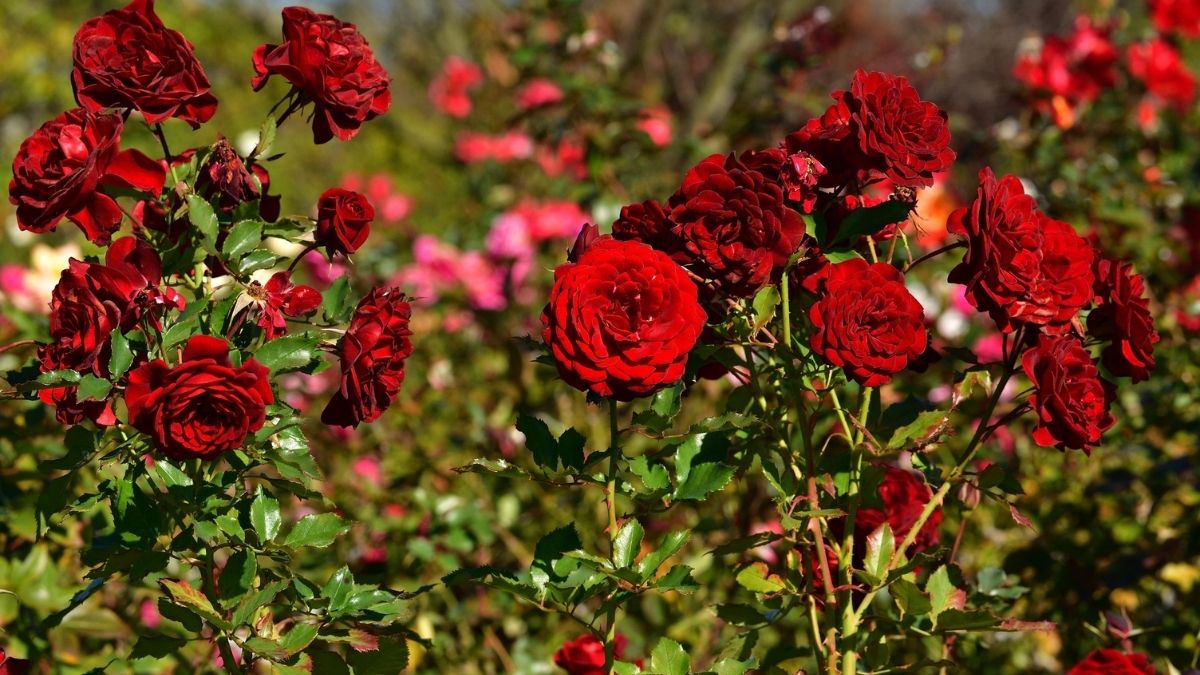
The Rose was chosen because it grows in all 50 states and has long been a symbol of love, devotion, and American heritage. Unlike the American state flowers, which vary widely from cacti to pine cones, the Rose stands as a unified national floral emblem that appears in our art, music, and even our official ceremonies.
Check Out - The Official US Statehood Order: When Each State Joined the Union
These us state symbols provide more than just aesthetic beauty; they reflect the legislative history and environmental diversity of the nation. As of 2026, conservationists are using these official flowers to track climate shifts, ensuring these historic blooms survive for future generations to enjoy.




Comments
All Comments (0)
Join the conversation