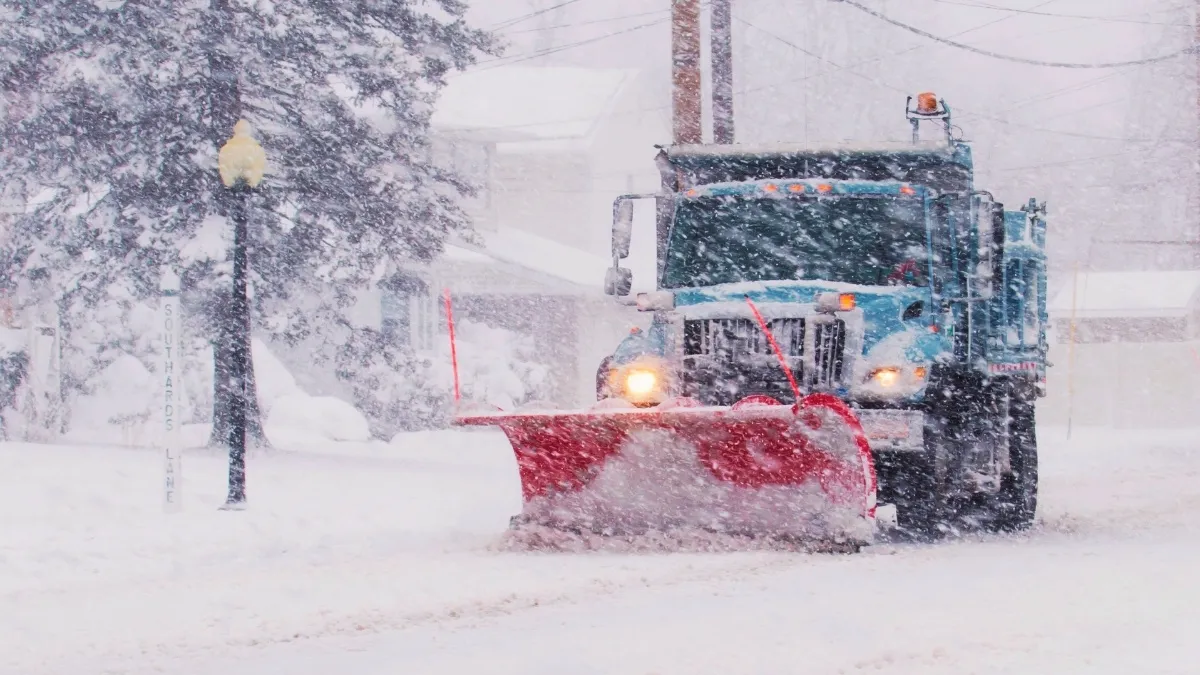
Snow is essentially frozen water that falls from the sky in the form of ice crystals, occurring when the clouds are at or below 0°C (32°F).
Currently, a large winter storm in January has moved through the Ohio Valley and Midwest regions, depositing thick snow and ice and closing roads, schools, and airports in states such as Indiana, Kentucky, Illinois, and Ohio.
According to the National Weather Service, snow can reach the ground even if the surface temperature increases to as much as 2°C (36°F), as long as the upper air remains cool enough to keep the snowflakes from melting.
This is why some areas in the current winter storm received snow while other areas received rain or sleet.
Read the below to understand the real temperature range for snow, why it can snow above freezing, and how the latest U.S. winter storms show these rules in action.
How cold does it have to be to snow?
Snow occurs when the air in clouds is at or below 0°C (32°F), even if the ground temperature is a little warmer.
In reality, snow falls most readily when the ground temperature is between -15°C and 0°C (5°F and 32°F), with the most snowfall occurring between -7°C and 0°C (20°F and 32°F).
During the current winter storm in January 2026, areas in the Ohio Valley reported ground temperatures near or below freezing temperatures while receiving snowfall rates of nearly 1 inch (2.5 cm) per hour, making it clear that a mix of relatively warm cold air and moisture can lead to heavy snowfall.
Key points:
-
Snow forms as ice crystals in cold clouds, then falls through layers of air that may be warmer or colder.
-
If the warm layer near the ground is thin, flakes can survive as snow even when the thermometer reads slightly above 0°C.
-
If the warm layer is thick or very warm, the same storm may turn into rain or sleet instead.
Check When does Winter Start and End in the U.S. in 2025?
Can it snow above freezing?
Yes, snow can fall when the ground temperature is just above freezing.
This is possible when the layer of air aloft is sufficiently cold to produce snow, but the warm layer close to the ground is not very thick.
In the recent winter storm in the U.S., it was explained that areas with ground temperatures of 1-2°C (34-36°F) received snow or a combination of snow and rain because the cloud layer was thick enough to contain a substantial amount of cold air, but the warm layer close to the ground was relatively thin.
In these situations:
-
Snowflakes start as ice in clouds, then fall through a short warm layer that only partly melts them.
-
If the flakes don’t fully melt, they can reach the ground as wet snow or a snow‑rain mix.
-
Once the ground warms further or the warm layer thickens, the same system often shifts to rain.
That’s why you sometimes see snowflakes in the air even when your thermometer reads above freezing.
Is it ever “too cold to snow”?
Many people believe that the weather becomes so cold that snowfall will just stop, but this is not entirely accurate.
Snow can fall at any temperature below 0°C, even in regions such as Antarctica or Minnesota, which recorded temperatures of -43°F (-42°C) in January 2026.
However, very cold air usually holds less moisture, so:
-
When temperatures drop well below 0°F (‑18°C), heavy snow becomes rare because the air is too dry.
-
Most heavy snowfalls in the U.S. happen when ground‑level temperatures are between about ‑7°C and 0°C (20°F to 32°F), where there is enough moisture and lift.
That’s why the recent storm produced its biggest totals in the mild‑cold band of the temperature range, not in the deepest‑cold zones.
How snow forms: Temperature and Moisture
Snow starts as tiny ice crystals in clouds where the air is at or below 0°C.
Water vapor freezes onto tiny particles like dust, forming six‑sided crystals that grow and stick together into snowflakes.
For snow to reach the ground, two conditions must line up:
-
The cloud layer must be cold enough to form ice crystals.
-
The air between the cloud and the ground must be cold enough that the flakes don’t melt completely.
If the air near the surface is too warm, you get:
-
Rain (snow melts fully).
-
Sleet (snow melts and refreezes into ice pellets).
-
Freezing rain (snow melts and then freezes on contact with cold surfaces).
This is why forecasters watch vertical temperature profiles, not just the ground‑level reading.
Check the List of 8 Ancient Festivals That Inspired Winter Holidays in the U.S.
Why snow matters in daily life
Snow affects travel, school closures, power outages, and outdoor plans, especially in cities that are not used to heavy winter weather.
Understanding how cold it has to be to snow helps people judge whether a winter storm will bring rain, sleet, or real snow, and how much disruption to expect.
For example:
-
A forecast of ‑3°C (27°F) with moisture and lift is more likely to produce snow than ‑15°C (5°F) with dry air.
-
Coastal or lake‑effect areas often see heavy snow at relatively mild temperatures because warm water adds extra moisture to cold air.
Knowing these basics makes winter forecasts easier to read and helps you plan ahead.
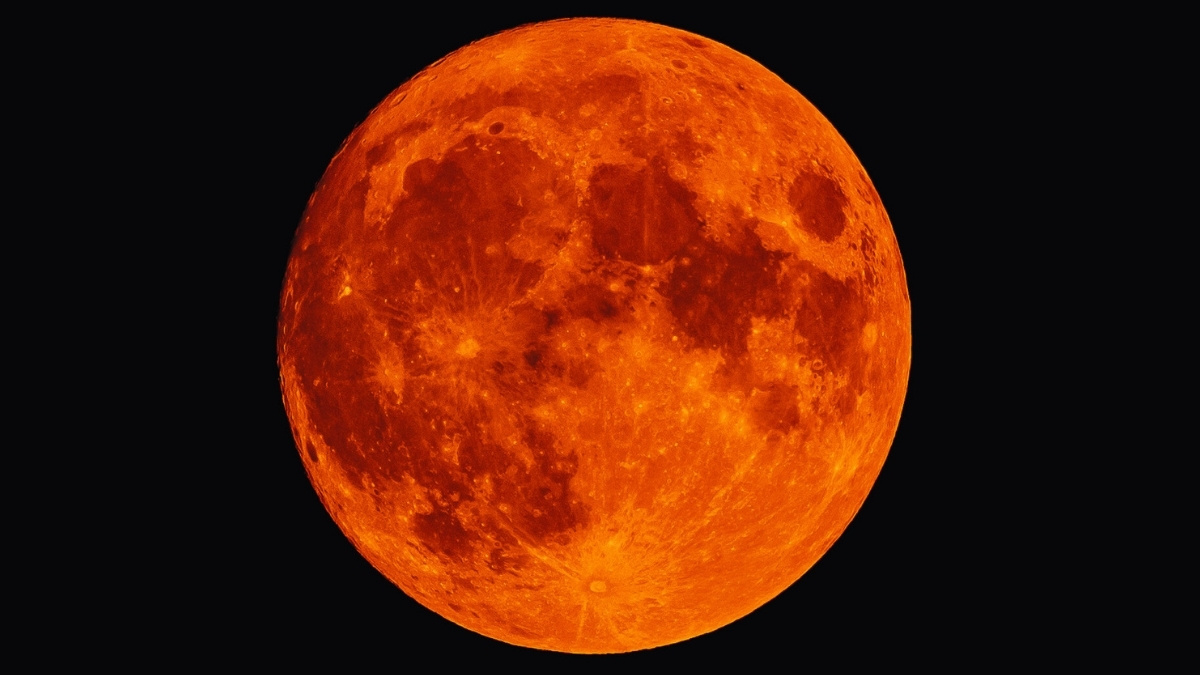
Know about Why is the Moon Orange Sometimes here.
Conclusion
Snow can form when the air in the clouds is at or below 0°C (32°F), even if the ground is slightly warmer.
Temperature alone doesn’t decide whether it will snow; moisture, wind, and how the air layers are stacked in the atmosphere are just as important, especially in major winter storms like the recent ones across the U.S.


-1769752113152.jpg)
-1769750813610.jpg)
Comments
All Comments (0)
Join the conversation