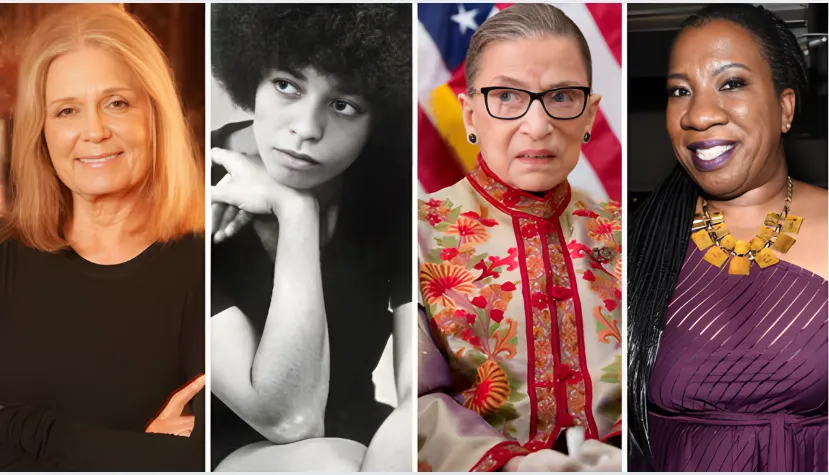
Women have sparked revolutionary movements throughout history to break down the systemic barriers, voting rights, environmental justice, among others, at a significant personal cost.
These 10 female-led movements, across the globe and centuries, achieved historic wins. This further changed the face of activism by introducing new methods, such as boycotts, tree-hugging, and viral hashtags, which continue to drive the movement to equity.
Read along to know more about each of their leaders, strategies and legacies that could serve as a roadmap to students and people to comprehend the role of collective power in social change.
Top 10 Movements
| Rank | Movement | Leader(s) | Year/Location | Core Issue |
| 1 | Women's Suffrage | Emmeline Pankhurst, Susan B. Anthony | 1848-1920, UK/US | Voting rights. |
| 2 | Montgomery Bus Boycott | Rosa Parks, Jo Ann Robinson | 1955-56, US | Racial segregation. |
| 3 | #MeToo | Tarana Burke | 2006+, Global | Sexual violence. |
| 4 | United Farm Workers | Dolores Huerta, Cesar Chavez (co-led) | 1962+, US | Farm labor rights. |
| 5 | Indian Rebellion 1857 | Rani Lakshmibai | 1857, India | Anti-colonial. |
| 6 | Women's March/Wave | Gloria Steinem, Betty Friedan | 1960s-70s, US | Second-wave feminism. |
| 7 | Russian Revolution Women | Alexandra Kollontai | 1917, Russia | Workers' rights/suffrage. |
| 8 | Igbo Women's War | Women leaders like Nwanyeruwa | 1929, Nigeria | Anti-colonial taxes. |
| 9 | Chipko Movement | Gaura Devi, Sunderlal Bahuguna (support) | 1973, India | Environmental conservation. |
| 10 | Greenham Common | Women protesters | 1981-2000, UK | Anti-nuclear. |
Women's Suffrage (1848-1920, UK/US)
This push was ignited by the 1848 Seneca Falls Convention. It declared that all men and women were created equal, and it was directed to the 19 th -century laws that defined women as property and regarded them as powerless to vote.
Such leaders as Susan B. Anthony was arrested on the illegal voting, and UK suffragettes led by Emmeline Pankhurst proceeded to window dressing and force feeding on hunger strikes.
It was won through the US 19th Amendment (1920, 72 million voters women) and the UK 1918/1928 acts, which eliminated legal patriarchy and motivated changes all over the world.
Montgomery Bus Boycott (1955-56, US)
The rejection of the bus seat by Rosa Parks sparked this 381 days long act in the midst of Jim Crow laws that relegated black passengers to the rear. Jo Ann Robinson used NAACP flyers to gather 40,000, arranging carpools even when they were bombed and arrested.
Boycotts in the economy paralysed bus revenues, and the Supreme Court ruled (Browder v.). Gayle) desegregating handiwork and throwing Martin Luther King Jr. into the limelight to 1964 Civil Rights Act.
#MeToo (2006+, Global)
Black girls confronted with abuse named their movement as Tarana Burke did in 2006 when she coined the name MeToo; it was later tweeted by Alyssa Milano in 2017 where it went viral, with 19 million uses in just a few days.
The survivors' people around the world told the stories, revealing the predators in Hollywood (Weinstein received a sentence of 23 years) and the places of work.
Outcomes have been the 2018 legislation on improving reporting on harassment, the enforcement of POSH in India, and a cultural change towards lessening the stigma of silence.
United Farm Workers (1962+, US)
Together with Cesar Chavez, Dolores Huerta founded a movement to unionize exploited Latino farmworkers subjected to pesticides, low wage (below 1/hour), and child labor. Huelga and national grape boycotts reduced sales by 20 percent, putting pressure on growers.
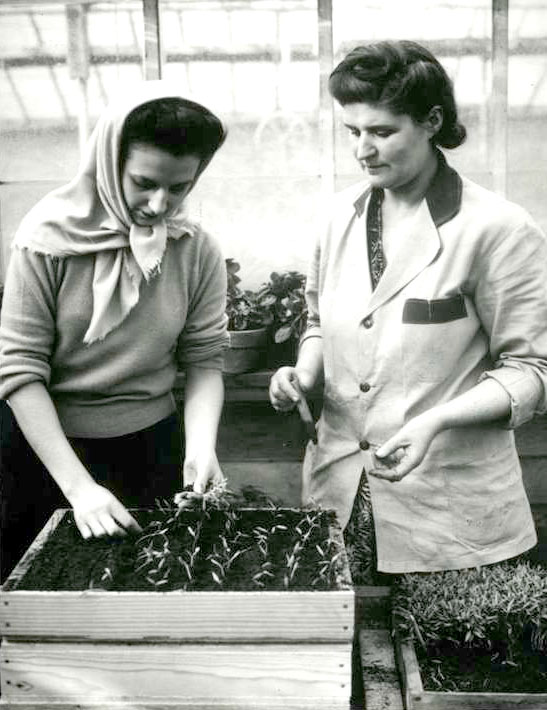
Source: National Archives
Peak Intellectual: In 1975 California legislation gave collective bargaining, which increased wages by 40 percent and launched the new models of labor organizing.
Indian Rebellion 1857
Jhansi Queen Rani Lakshmibai marshaled forces of soldiers and civilians against the British doctrine of lapse when she took over the kingdom after the death of her husband.
Wearing warrior clothes, she also led cavalry charges on her horse representing opposition in the Sepoy Mutiny. It was beaten, but it abolished the East India Company rule, which led to direct rule by the Crown which because of this factor, India had the momentum of getting its independence.
Second-Wave Feminism (1960s-70s, US)
The Feminine Mystique (1963) by Betty Friedan was a criticism of the housewife trap; Ms. magazine was established by Gloria Steinem. The NOW protests were against unequal pay (women received 59C//$1) and abortion prohibitions.
Roe v. Wade v. Trump (1973 education equity). Wade (1973, overruled 2022), and job safeguards, and redefined gender roles of 50 million women.
Women of Russian Revolution (1917, Russia)
During the WWI, on the International Women Day, textile workers under the leadership of Alexandra Kollontai organized a strike in Petrograd factories that resulted in the abdication of the Tsar Nicholas II after a few days of unrest.
Women were given immediate voting/work rights by Bolsheviks, and socialist feminism was innovated although it was later overturned by Stalinists.
Igbo Women's War (1929, Nigeria)
Women in the market, under the leadership of Nwannyeruwa, opposed payment of taxes/census to British warrant chiefs on Igbo females, arguing that it was against the tradition. 10,000+ sat on officials (shaming ceremony), burnt their courts and killed chiefs.
Source: History Today
Compulsory repeal of taxes and review of colonial policy, which establishes the communal right of African women.
Chipko Movement (1973, India)
Gaura Devi organized 27 women villagers to embrace trees in Reni, Uttarakhand, to stop the loggers using their axes in the flooding of villages in the Himalayas because of deforestation.
The movement of Chipko (embrace) became viral, and demanded the 15-year logging ban by Indira Gandhi (1981). Hammered eco-feminism, impacting worldwide agendas such as Amazon rubber tappers.
Greenham Common Protest (1981-2000, UK)
On top of the cold war anxiety, 300 women established a women-only peace camp outside the RAF base that was holding 96 US Cruise missiles.
Blockaded gates using human chains, danced upon silos, cut fences 1,000+ times. camp survived evictions/weather; missiles pulled out 1991, surging European anti-nuke activism.
Since the battle of Rani Lakshmibai she stood up and fought back and since the spread of the hashtag MeToo, these movements show that the need to lead the world is a feminine drive, and women combine their courage and tactics to use the right approach.
Their strategies such as nonviolence, solidarity and amplification resonate in the climate strikes and gender justice movements today. They remind learners that history lessons give rise to future revolutions.




Comments
All Comments (0)
Join the conversation