
Did you know there are over 3 trillion trees on Earth? Trees come in all shapes and sizes, from the massive Redwood to the slender Weeping Willow. Every tree has its own unique charm and importance. For example, the Baobab tree is sometimes called the "upside-down tree" because its branches look like roots sticking into the sky. Another amazing fact? Trees like the Oak can live for hundreds of years, making them nature's long-term historians. We often hear nicknames like "The King of the Forest" for some towering species. But out of all these incredible trees, the leafy ones, the needle-covered ones, and the fruit-bearing ones, do you know which one holds a very special place during the holidays? It's a tree that's usually green and has a very distinct, fresh scent. It's also often decorated with lights and ornaments. In this article, we'll take a look at the history, tradition, and identity of the true Christmas Tree.
Which Tree is Known as the Christmas Tree?
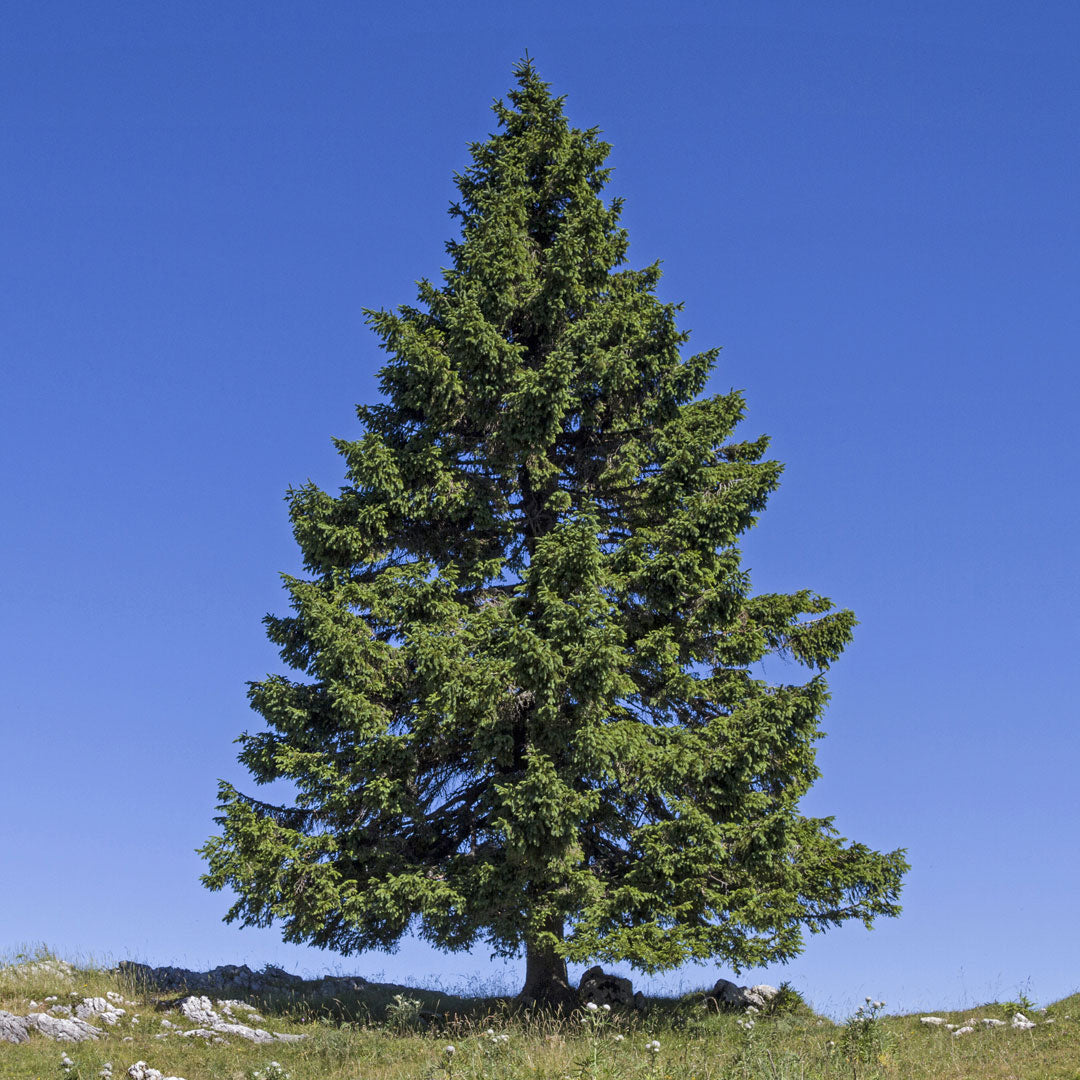
The tree most famously known as the Christmas Tree is the Norway Spruce (Picea abies). This majestic evergreen conifer is native to Europe, thriving across the northern, central, and eastern regions, including Scandinavia. It became the "original" Christmas tree because the tradition of bringing a decorated tree indoors began in Germany in the 16th century, where the Norway Spruce was readily available.
10 Lesser-known Facts About Norway Spruce
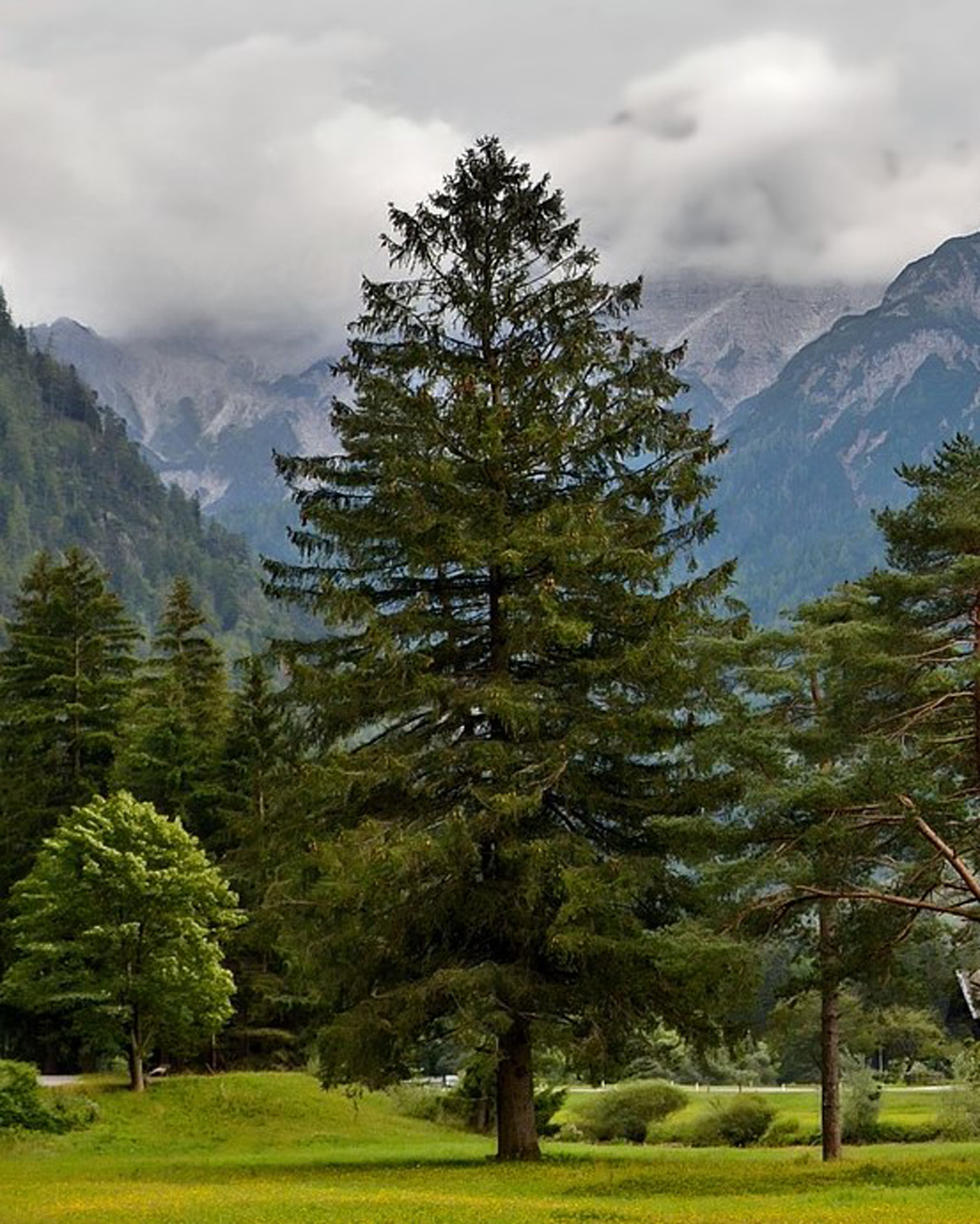
- Its wood has exceptional sound-transmitting qualities, making it highly prized for the soundboards of musical instruments, including famous Stradivarius violins.
- The tallest Norway Spruce measured is over 200 feet (60 metres) tall.
- Young shoots and needles were historically used to brew spruce beer, a source of Vitamin C that helped prevent scurvy on long sea voyages.
- The Norway Spruce was the first gymnosperm (non-flowering plant) to have its genome sequenced; its genome is about six times larger than the human genome.

- A clonal colony of Norway Spruce in Sweden, nicknamed "Old Tjikko", is considered one of the world's oldest living trees, with roots dating back about 9,550 years.
- Mature trees often have characteristic pendulous or drooping branchlets, sometimes called 'skirts'.
- The Norway Spruce produces the longest cones of any spruce species, typically measuring between 4 and 7 inches (9–17 cm) long.
- It is often the preferred species for the famous, towering Rockefeller Centre Christmas Tree in New York City.
- Despite its adaptability, it is sensitive to air pollution and prolonged periods of drought.
- It can grow quite fast when young, up to 3 feet (1 meter) per year under good conditions.
Which Tree Is Known As A Christmas Tree?
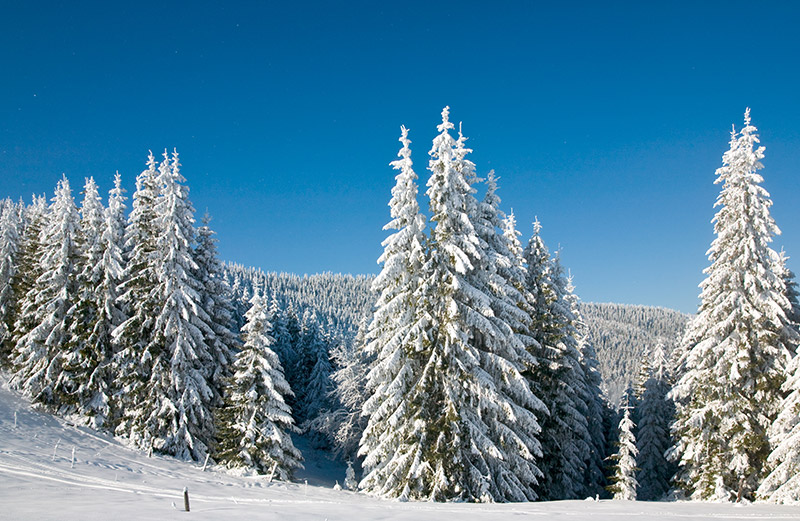
The tree most famously known as a Christmas tree is the Norway Spruce (Picea abies). However, other trees, such as the Douglas Fir, Fraser Fir, and White Fir, are also very popular, and in some regions, the Norfolk Island Pine (Araucaria heterophylla) is used.
- Norway Spruce (Picea abies): Traditionally, this is the original Christmas tree from Europe, widely used for its classic shape and aroma.
- Douglas Fir (Pseudotsuga menziesii): This has become one of the most popular choices, especially in North America.
- Other Firs (Abies species): Many types of firs are used, including the Fraser Fir and White Fir, prized for their strong branches and pleasant scent.
- Norfolk Island Pine (Araucaria heterophylla): Often used as an indoor or mini Christmas tree, particularly in warmer climates.
- Other Pines (Pinus species): Various pine trees, such as the Pinyon pine, are also used for Christmas trees.
What Is Another Name For A Christmas Tree?
A Christmas tree is often called a 'Yule tree' or a 'fir' in general use, since it's traditionally an evergreen conifer. Historically, it was also referred to as a Paradise Tree in medieval German plays. In the oil and gas industry, the term "Christmas tree" has a different meaning: it refers to the complex set of valves and pipes at the top of a wellhead used to control the flow of oil or gas.
Which Is The First Christmas Tree?
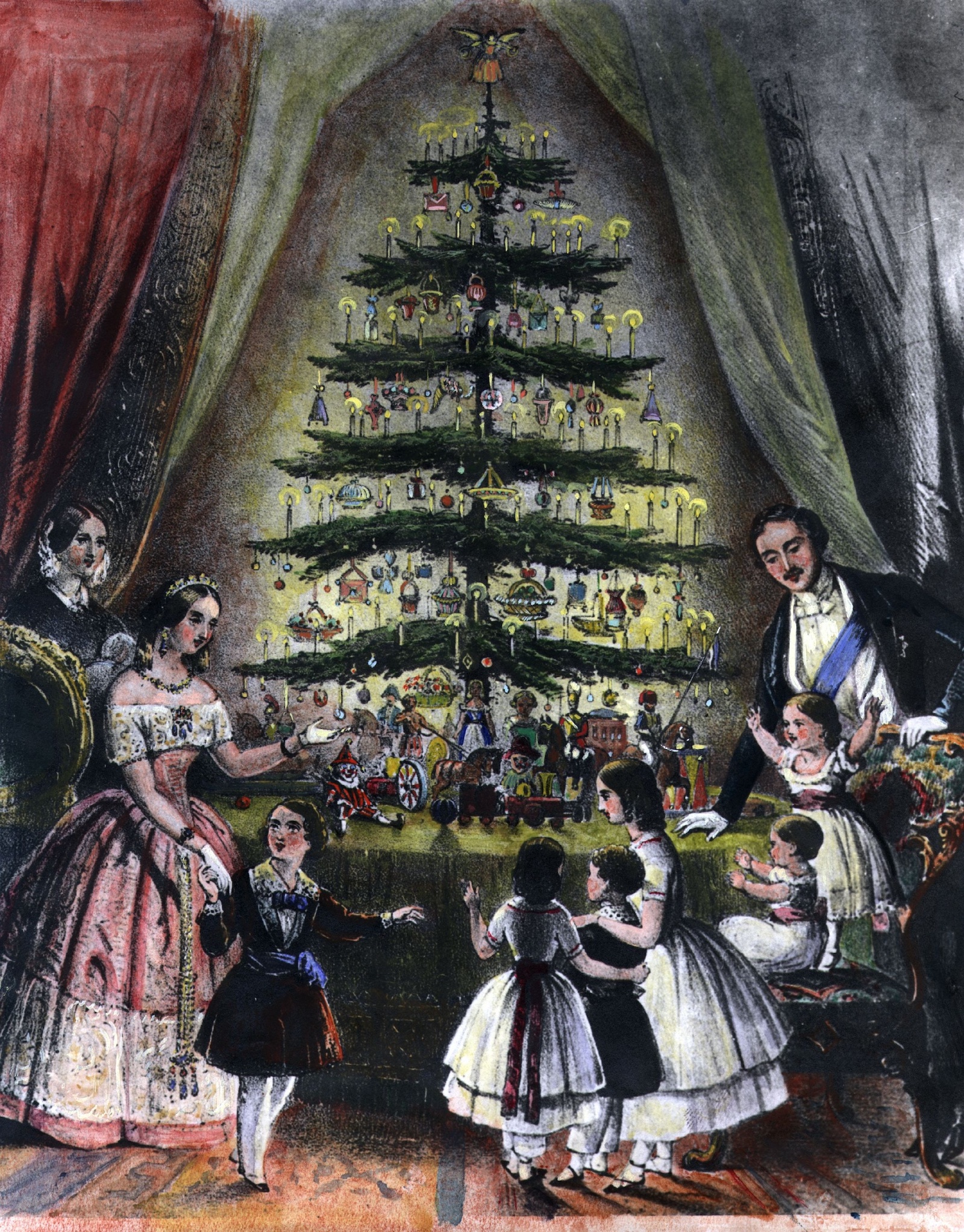
The origin of the "first" Christmas tree is debated across several historical accounts. The earliest written record of a decorated tree comes from Riga, Latvia, in 1510, where merchants decorated a tree with roses, danced around it, and then burnt it. However, the custom of using a fir tree decorated with apples (the Paradise Tree) started earlier in medieval German miracle plays, often around December 24th, the Feast Day of Adam and Eve. This German tradition of indoor evergreen decoration in the 16th century evolved into the modern Christmas tree.
According to legend, the Brotherhood of the Blackheads, a guild of merchants, brought the first Christmas tree to Tallinn, Estonia, as early as 1441 and displayed it in the city's main square. To this day, a Christmas tree is put up there annually.




Comments
All Comments (0)
Join the conversation