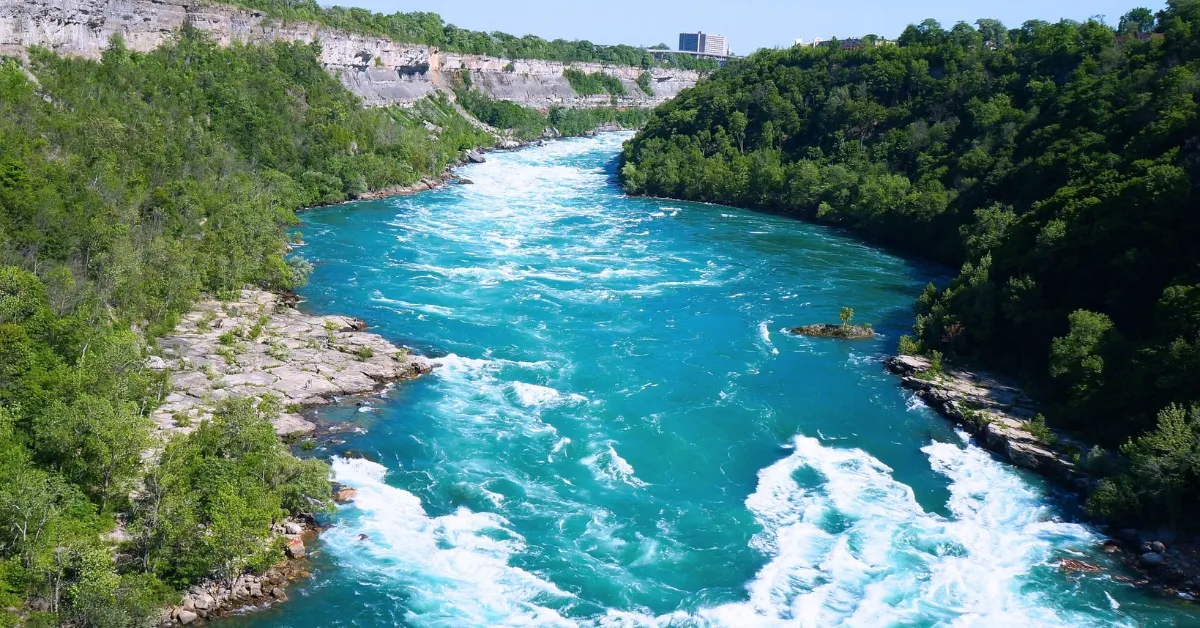
India is a land of many waters, home to over 400 rivers that flow across the country. These rivers are grouped into several major river basins, which provide water for farming and daily life. The Ganga is the longest river in India and is considered the most sacred. However, the Brahmaputra holds the title of the widest river, especially during the monsoon season. In terms of water volume, the Ganga remains the largest river system in the country. Many rivers bear notable names for their history or location. For example, the Brahmaputra is called the Tsangpo in Tibet, and the Damodar was once known as the "Sorrow of Bengal". But do you know which river is famously called the Ardha Ganga (Half Ganga)? This river is the longest in South India and originates from the Western Ghats. In this article, we will take a look at the history, spiritual importance, and facts surrounding this mighty river.
Which River Is Known As The Ardha Ganga?
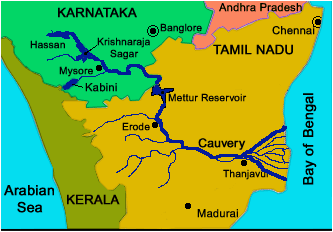
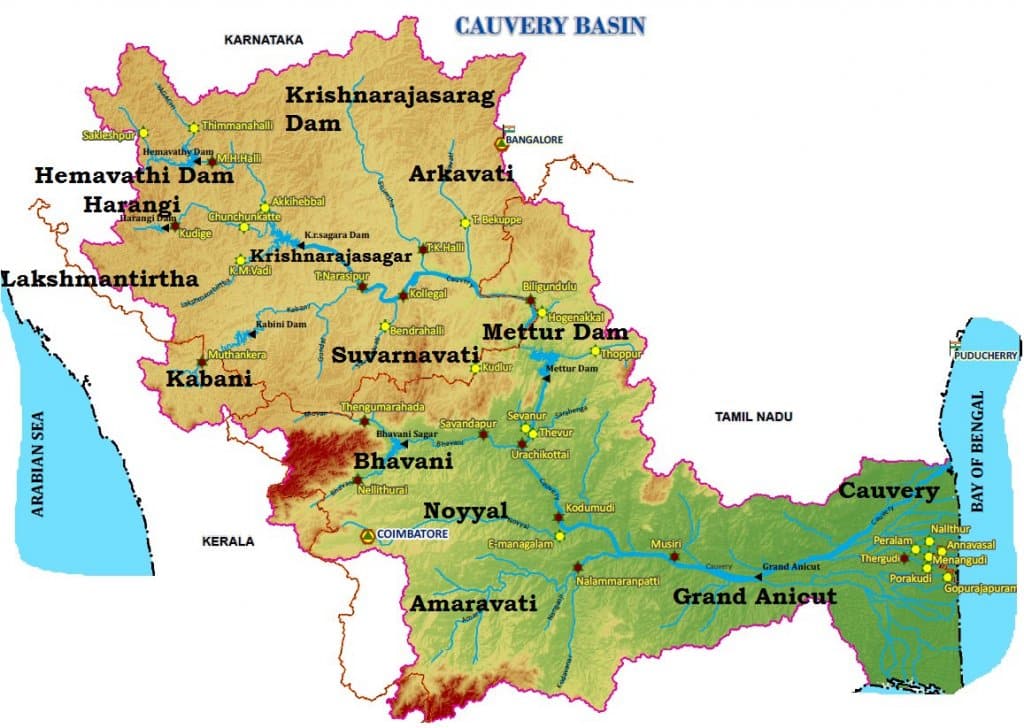
The Kaveri (or Cauvery) river is famously known as Ardha Ganga, which means "Half Ganga". This name reflects its status as one of the most sacred rivers in India, second only to the Great Ganga in spiritual importance. The river begins its journey at Talakaveri in the Brahmagiri Hills of the Western Ghats, located in the Coorg district of Karnataka.
From there, it flows southeasterly for about 800 kilometres across the Deccan Plateau. Along its path, it passes through the states of Karnataka and Tamil Nadu, and its basin extends into Kerala and the Union Territory of Puducherry. Finally, the Kaveri empties into the Bay of Bengal at Poompuhar, forming a vast and fertile delta.
10 Lesser-Known Facts About the Kaveri

- Unlike most South Indian rivers, the Kaveri is almost perennial because it receives rainfall from both the Southwest and Northeast monsoons.
- The river basin lies geologically within the South Indian Shield, which contains some of the oldest crustal rocks on Earth, dating back over 2.5 billion years.
- In 1902, the Shivanasamudra Fall on the Kaveri became home to one of Asia's first major hydroelectric power stations.
- The river creates three large islands along its course: Srirangapatna, Sivasamudram, and Srirangam, all of which are major pilgrimage sites.
- The Grand Anicut (Kallanai), built across the Kaveri in the 2nd century AD, is one of the oldest water-regulating structures in the world still in use.
- The Kaveri Delta is so productive that it is traditionally known as the "Rice Bowl of South India" due to its extensive paddy fields.
- Scientific studies show that the river carries a higher load of dissolved minerals than other tropical rivers, mainly due to the weathering of ancient silicate rocks.
- At Mekedatu, the river flows through a gorge so narrow that it is nicknamed "Goat's Leap", where the entire river compresses into a tiny channel.
- The river supports the Hogenakkal Falls, famous for unique carbonatite rock formations that are among the oldest of their kind in the world.
- The Stanley Reservoir (Mettur Dam) on this river is one of the largest in India and provides primary life support for millions of farmers in Tamil Nadu.
Why Is Kaveri Known As The Ardha Ganga?
The Kaveri is called the Ardha Ganga (Half Ganga) for reasons that blend geological science with deep-rooted tradition. Scientifically, while many South Indian rivers dry up in summer, the Kaveri is unique because it is nearly perennial. It receives water from two different sources: the Southwest Monsoon (June–September) in its upper reaches in Karnataka and the Northeast Monsoon (October–December) in its lower basin in Tamil Nadu. This year-round flow mimics the constant nature of the Himalayan Ganga, which is fed by melting snow. Geologically, the Kaveri's rich alluvial deposits create a delta so fertile it is known as the "Garden of Southern India", providing a life-support system similar to the Indo-Gangetic plains.



-1765956461168.jpg)

-ans-1765974008337.jpg)
Comments
All Comments (0)
Join the conversation