What is a Flash Flood? Essential Weather Safety Guide, Warning Signals, and Global High-Risk Areas Explained
A flash flood brings sudden, high-velocity water within six hours of heavy rainfall or structural failures. Understanding what causes a flash flood, monitoring official warnings, and knowing how it differs from gradual flooding can save lives during severe weather events worldwide.
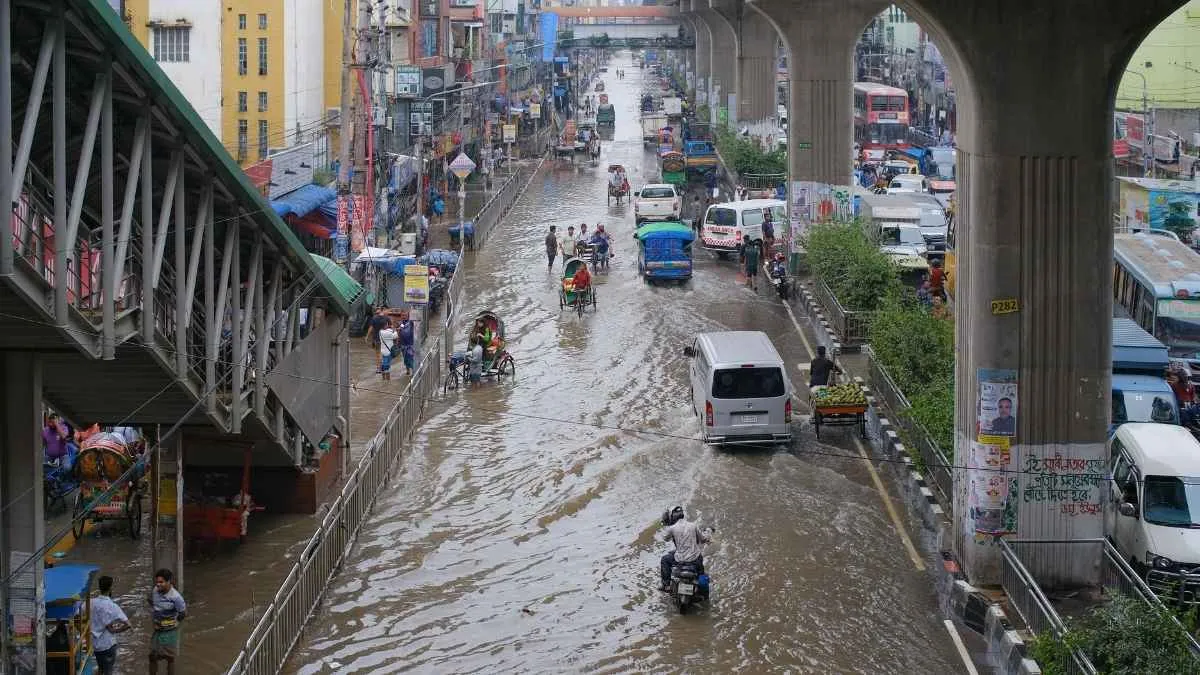
Heavy rainfall events are causing sudden and dangerous water overflows across the world. And according to the World Meteorological Organisation, water related disasters now account for over 40% of all weather risks and alerts globally. In such times knowing what a flash flood and flash flood warning is danger is, with the main causes behind are critical for staying safe for everyone alike.
Heavy rainfall and floods hit towns and cities in Europe and the Americas throughout the years. But trusted reports claim that parts of South and Southeast Asia face the biggest threat from flash floods. Especially when it comes to densely populated regions like China, India and Nepal. Nepal alone has been at the center of some of the worst flash flood warnings in history in 2026.
Hereon in this article we will learn more about the phenomenon of flash floods and what differentiates them from other flood warnings to improve our environmental and ecological knowledge.
What is a Flash Flood and River Flood?
A flash flood happens when water rises quickly in low areas, dry riverbeds, or city streets. The key distinction between flood conditions and flash flood conditions lies in timing and speed.
-
A flash flood hits fast. It is usually within 6 hours or even minutes after rain starts. The fast water can roll large rocks, rip up trees, and knock down walls.
-
Regular river flood on the other hands takes time to build up over days or weeks as lakes and big rivers overflow slowly.
Difference between Flash Flood and River Flood
NASA quotes that heavy rain falling over a short period is the biggest trigger of any flash flood. Flash floods can also happen without rain if a dam breaks or an ice block clears out suddenly.
| Feature | Flash Flood | Regular River Flood |
| Timeframe | Minutes to under 6 hours | Days to weeks |
| Main Cause | Heavy sudden rain, dam break | Constant rain, melting snow |
| Water Speed | Fast, strong currents | Slow to medium rising water |
| Notice Time | Very little time to react | Days of advance warning |
What are Flash Floods Causes, Warnings, and Global Risk?
To know the cause of flash flood problems means looking at nature and human activity. Heavy thunderstorms are the biggest reason but hard soil, steep hills, and paved city roads also stop water from soaking into the ground.
Weather centers issue two main alerts when dangerous rain hits:
-
Flash Flood Watch: Rain conditions could cause sudden flooding. Stay ready.
-
Flash Flood Warning: A flash flood warning like the one in Nepal is something that is happening right now. Move to high ground immediately in such situations.
Which Country are Affected Most by Flash Floods in Recent Years?
UN and World Bank reports show that Asian countries like India, China, Bangladesh, Nepal, and Indonesia face the highest threat because of large rivers and monsoon rains.
Still mountain towns and big cities in North America and Europe face serious danger from sudden rainstorms every year.
Staying Safe When Fast Water Hits
This makes flash floods extremely dangerous due to the very little time that you get to vacate the location. The most important thing is to move to higher grounds quickly and avoid any flooded roads, since even one foot of water is enough to sweep your car away.

Harshita Singh is an education and general knowledge journalist with over 5 years of experience in educational writing. Specializing in US affairs and GK, Harshita has a track record of breaking down intricate geopolitical and historical subjects into clear, digestible insights for learners. Her strong background in text analysis, coupled with a Bachelor of Arts (Hons) in English from the University of Delhi, helps her produce authoritative, thoroughly researched content that empowers readers to engage confidently with global current affairs. For inquiries or academic insights, you can reach out to her directly at harshita.singh@jagrannewmedia.com.

-1791794638511_t.webp)


-1791791935521_t.webp)

![[OUT] GDS 1st Merit List 2026: इंडिया पोस्ट जीडीएस पहली मेरिट लिस्ट जारी, ये रहा Direct Link](https://img.jagranjosh.com/images/2026/October/11102026/GDS-Merit-List-2026.jpg)

.jpg)
