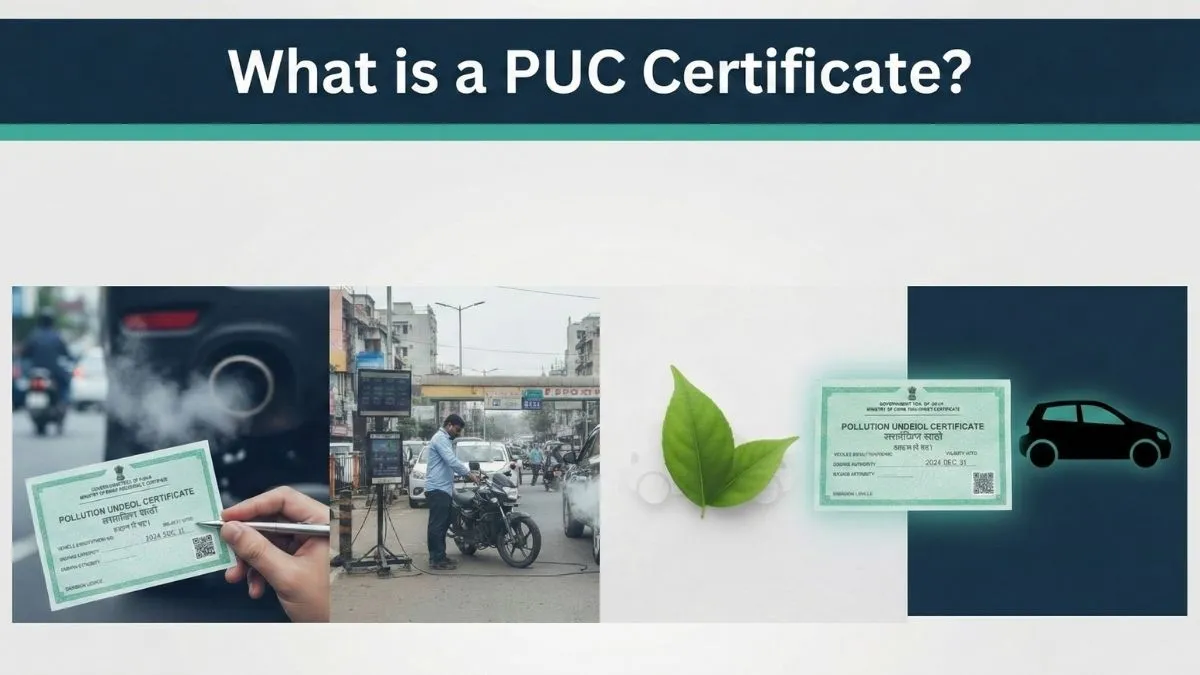
In India, controlling vehicle pollution is a major environmental priority. To reduce harmful emissions from automobiles, the government has made the Pollution Under Control (PUC) certificate mandatory for vehicles. A PUC certificate is a certificate issued by the government confirming that a car meets the required standards of levels of emissions and does not exceed a specified level of emissions.
In this article, we will explore the PUC Certificate, its significance, legal rule & punishment in India and whether this certificate is mandatory for All Vehicles in India or not.
What is a PUC Certificate?
A Pollution Under Control (PUC) certificate is a government-certified document that is given to a vehicle that has passed a test of the emission test in an authorised testing centre. It authorises the emission of vehicles to be below the requirement of the government under the pollution control legislation.
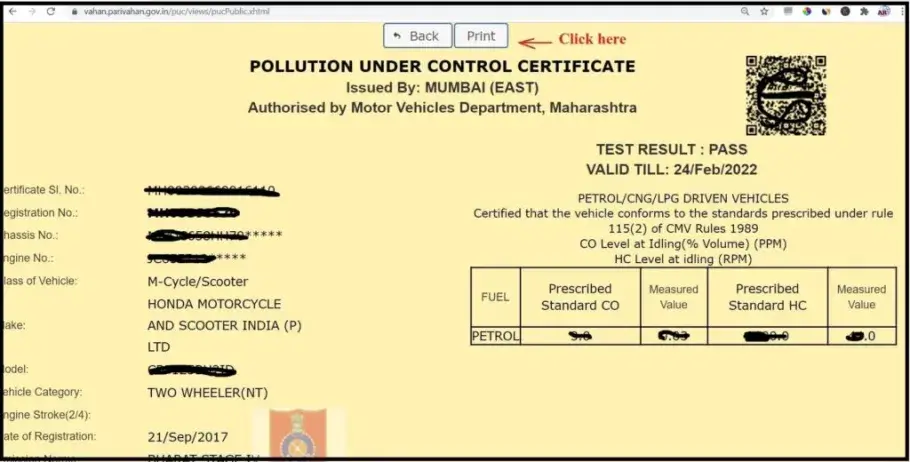
Source: vahanvehicle
The PUC test measures harmful gases released from the vehicle, mainly:
-
Carbon Monoxide (CO)
-
Hydrocarbons (HC)
-
Nitrogen Oxides (NOx)
In case the vehicle passes the emission test, it is issued a PUC certificate, thus it is free to drive on the roads in India.
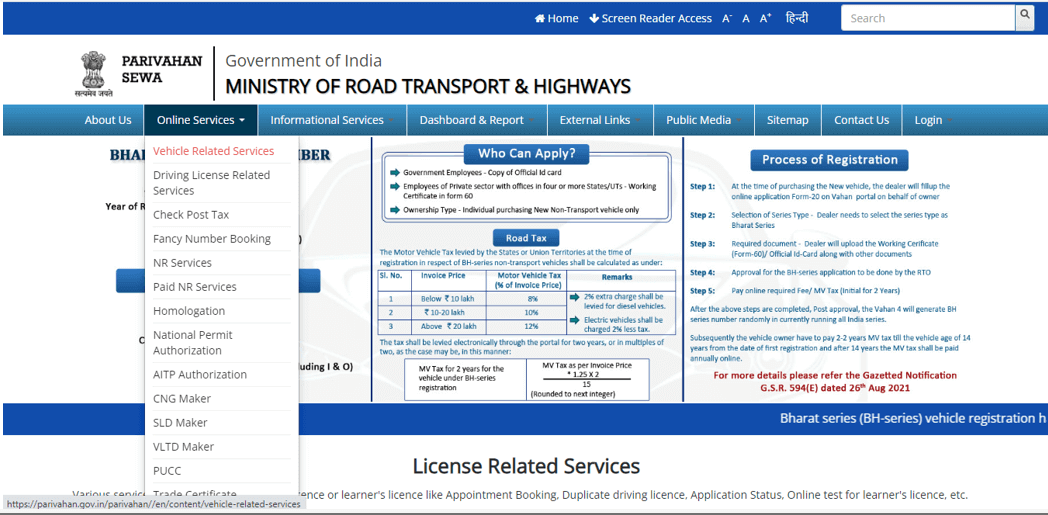
Source: vahanvehicle
How is a PUC Test Conducted?
During the PUC test:
-
It consists of a sensor that goes inside the exhaust pipe of the vehicle.
-
Measurement of emission levels is taken when the engine is in operation.
-
Outcomes are compared with the allowable government emissions.
The vehicles that fail the test would have to correct the problems that relate to emissions and retest it.
What Information Does a PUC Certificate Contain?
A valid PUC certificate includes:
-
Vehicle registration number
-
Engine and chassis number
-
Date of emission testing
-
Emission values recorded
-
Certificate validity period
This document acts as legal proof of emission compliance.
What is the Validity of the PUC Certificate in India?
-
New vehicles: Exempt in the first year
-
Older vehicles: Have to be tested for emissions periodically
-
Validity: According to the prescripts of the Regional Transport Authorities (RTOs).
The PUC certificate should be renewed by the vehicle owners before expired otherwise, the vehicle owners may be fined.
Why is the PUC Certificate Important?
1. Controls Air Pollution
One of the biggest pollutants of air in urban areas is vehicles. PUC certification would be used to maintain the level of emissions at a safe level.
2. Protects Public Health
Overeating emissions from vehicles may lead to breathing diseases, allergies, and chronic health issues. PUC norms aid in the enhancement of air quality.
3. Improves Vehicle Performance
Periodical emission tests will aid in early identification of errors in engines or exhausts bringing about high efficiency and lowered maintenance expenditures.
Is the PUC Certificate Mandatory for All Vehicles in India?
Yes. Under the Central Motor Vehicles Rules, 1989, all motor vehicles in India—including:
-
Two-wheelers
-
Cars
-
Commercial vehicles
-
Transport vehicles
Must carry a valid PUC certificate while driving on public roads.
Are there any penalties for not having a PUC Certificate?
Non-compliance with PUC regulations can result in:
-
Traffic fines imposed during checks
-
Insurance complications, including claim rejection
-
Vehicle impoundment for serious violations
These penalties are intended to discourage pollution and ensure legal compliance.
Conclusion
PUC certificate is a legal mandatory document in India which is very important in mitigating vehicular pollution and protecting the health of people. Frequent emission testing is a way to not only guarantee compliance with the law but also to make vehicles efficient. To have a valid PUC certificate will demonstrate that one is a responsible owner of a vehicle and the environment will be cleaner and healthier.




-1766079046715.jpg)

Comments
All Comments (0)
Join the conversation