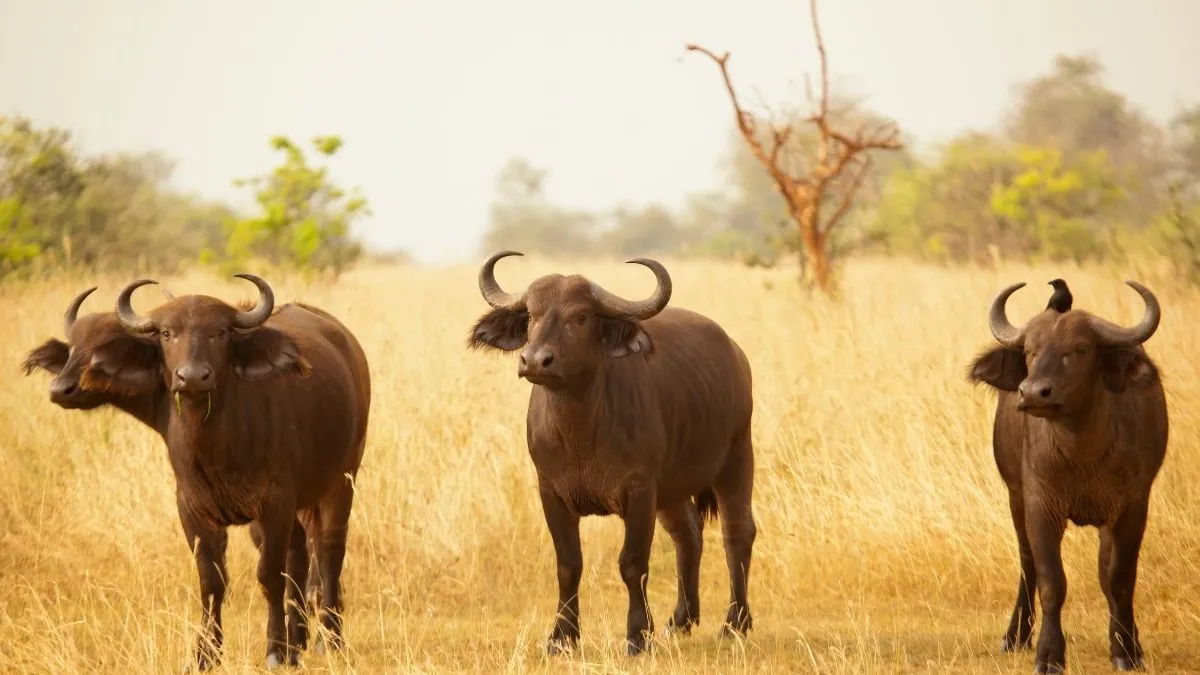
Stand in the middle of the Nebraska plains or the African savanna, and you’ll quickly realize that a herd of buffalo is less of a peaceful gathering and more of a tactical unit. These animals don’t just hang out; they form high-stakes social circles designed to fend off apex predators like lions and wolves.
If you've ever seen a group of Cape buffalo stand still when a predator comes near, you know why the best word for them is obstinacy. It's a word that perfectly describes how they won't be scared.
Whether you are a student prepping for a competitive English exam or a wildlife enthusiast trying to settle a debate, the answer to what a group of buffalo is called depends entirely on whether you are looking at the biology of the animal or the poetry of the English language.
What is a Group of Buffalo Called in English?
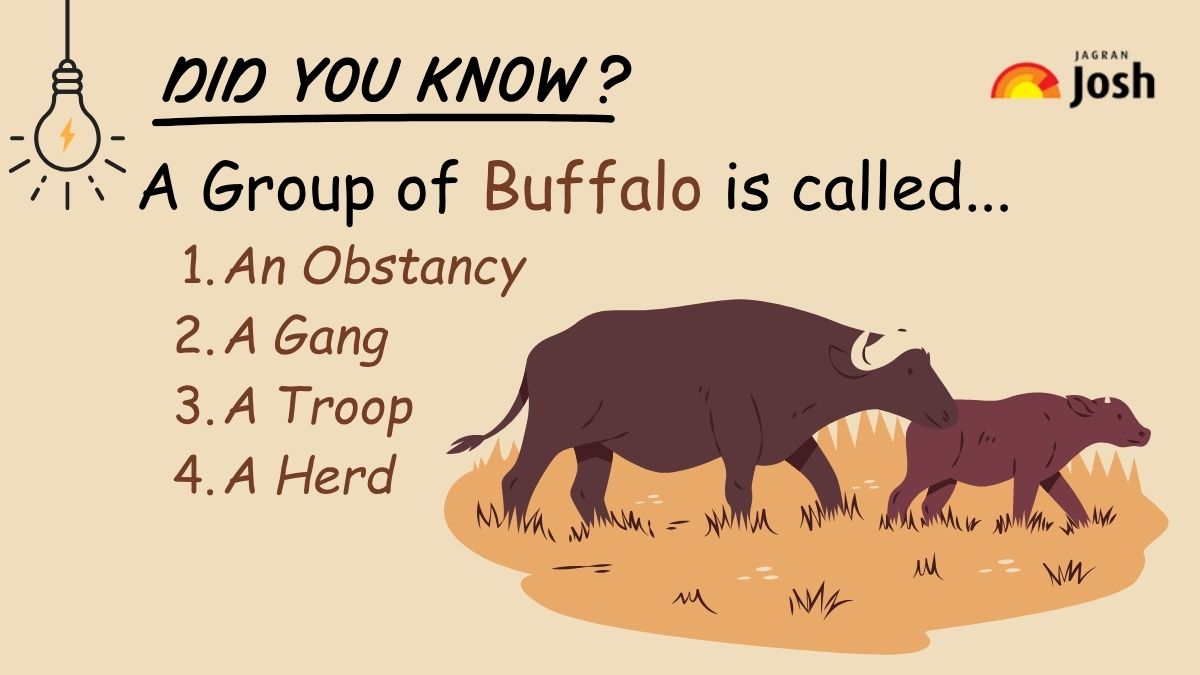
According to the Oxford English Dictionary, the primary collective noun for buffalo is a herd. However, because these animals are known for their gritty, protective nature, several other terms are used in specific contexts:
-
An Obstancy: This is the most famous specific term, describing their stubborn refusal to leave their ground when attacked.
-
A Gang: A term frequently used in Southern Africa for smaller, more mobile groups of younger males or bachelor buffalo.
-
A Troop: While less common, this is sometimes used to describe the military-like movement of a group on the march.
What is a Herd of Bison Called in English?
While people often use buffalo to describe the American Bison, they are technically different. For a group of bison, the term herd remains the gold standard. However, during the Great Plains migration era, observers frequently used the term obstinacy of bison as well.
In modern biological terms, researchers often split them into maternal herds (females and offspring) and bachelor groups (bulls). According to the National Park Service (NPS), a large group of bison can also be colloquially called a band.
Find Out - What is a Group of Monkeys called?
What’s the Difference between Buffalo and Bison?
It is easy to mix them up, but a quick look at their silhouette tells the story. True buffalo are found in Africa and Asia, while bison are native to North America and Europe.
| Feature | Buffalo (African/Water) | Bison (American) |
| Horns | Large, swept-back handlebars | Shorter, sharper, and pointed upward |
| Hump | No shoulder hump | Massive, muscular shoulder hump |
| Beard | Smooth chin | Thick, shaggy beard |
| Coat | Very thin, sparse hair | Thick, woolly coat (sheds in summer) |
Read More - What is the Difference Between Bison and Buffalo?
Collective Nouns for Other Groups of Animals
The English language loves a bit of drama when it comes to animal groups. Here are some of the most popular collective nouns used today:
-
Group of Crows: A Murder
-
Group of Lions: A Pride
-
Group of Owls: A Parliament
-
Group of Elk: A Gang
-
Group of Rhinos: A Crash
-
Group of Hippos: A Bloat
Check Out - What is the Scientific Name of Rhinoceros?
Interesting Facts about Buffalo as a Group
Here are some of the most amazing facts about a herd of buffalo you may find interesting:
-
Collective Defense: When a calf is under threat, the entire herd will form a circle with their horns facing outward. This mobbing behavior is often enough to drive off a pride of lions.
-
Democratic Direction: In African buffalo herds, females vote on where to move next by standing up, looking in a direction, and lying back down. The direction with the most votes wins.
-
Dugga Boys: This is the nickname given to old, solitary males who have left the herd. They are considered some of the most dangerous animals in Africa because they lack the social filter of the group.
Do You Know - What is the Scientific Name of a Cow?
Whether you’re writing an essay or watching a documentary, remember that a herd is just the beginning. The next time you see these massive animals, you’ll know you’re likely looking at an obstinacy, a group defined by their refusal to back down from anything the wild throws at them.