What is a Group of Baboons Called? Meaning, Origin, and Key Facts Explained
What is a group of baboons called? Scientists and dictionaries state that a group of baboons is called a troop. While social media posts often claim the term is congress, wildlife researchers confirm that troop is the official name used in nature studies.
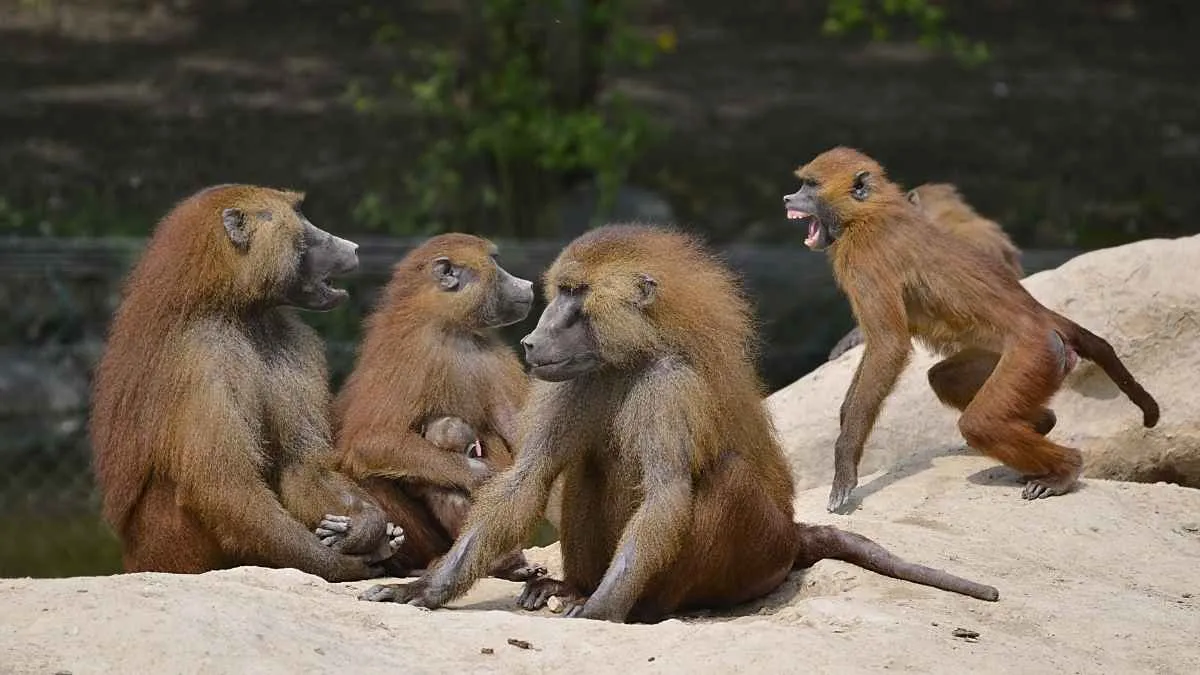
A large family of baboons is quite easy to spot while walking across an open ground. But knowing what a group of baboons is called is rare.
According to the internet one collective term for a group of baboons is congress. Congress is not the official name for a group of baboons; it is just a joke. The linguist and scientist approved name for a group of baboons is troop.
If you are studying for a school test or preparing for general knowledge exams. Or you are just curious about collective nouns here is how the term works and how these animal groups live together.
What is a Group of Baboons Called in English?
The standard English term for a group of baboons is a troop. A typical troop usually includes 20 to 50 members. But some groups can grow to over 200 depending on the area and available food.
Here are all the famous terms for a group of baboons you might come across:
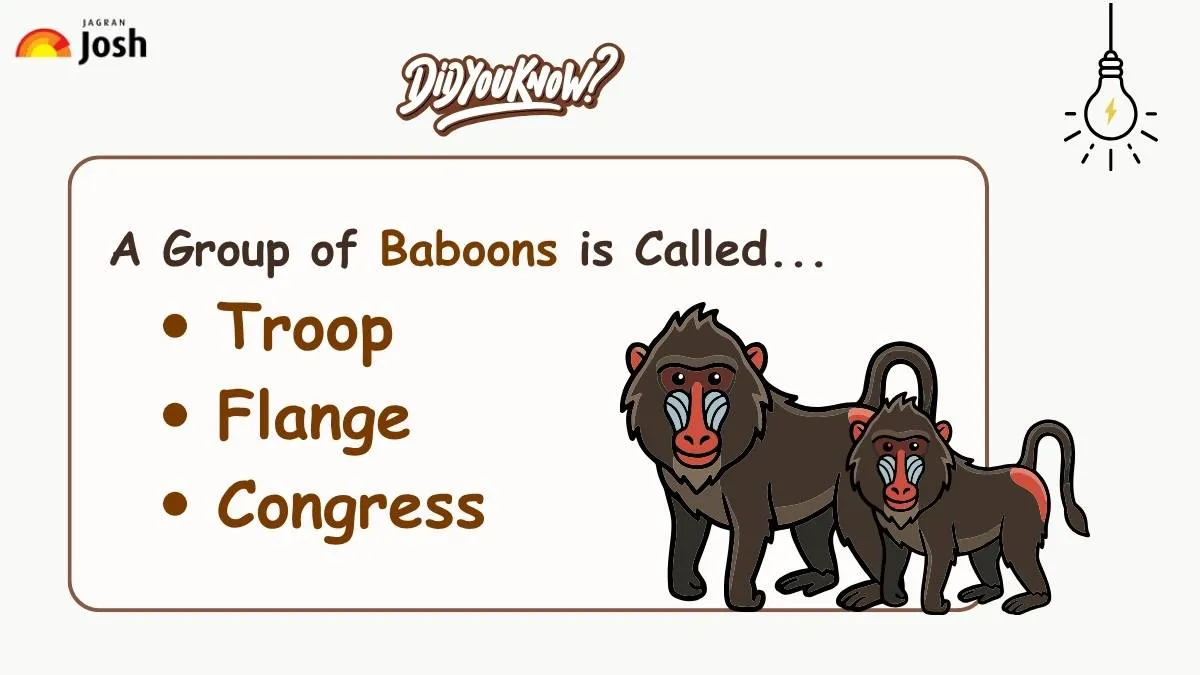
- Troop: This one is official scientific and grammatical term used in dictionaries and research papers.
- Flange: It is an informal term that became popular after a 1980s UK comedy sketch on television.
- Congress: It’s a political joke used on social media but wildlife experts do not acknowledge it as an official collective noun for baboons.
Why a Group of Baboons is Called a Congress
Referring to a group of baboons as a congress is a relatively new satirical term from politics, and not a historical grammatical term for animals.
The Old English terms gave several other names to groups of different types of animals including pride for lions or school for fish, but never the term congress.
Numerous references and the African Wildlife Foundation confirm that only the term troop should be used by researchers studying the behavior of baboons.
How to Differentiate between Baboons and Monkeys
Baboons belong to the Old World monkey family but they have different physical traits that make them easy to spot. Here’s how you can differentiate between monkeys and baboons on the basis of appearance for reference:
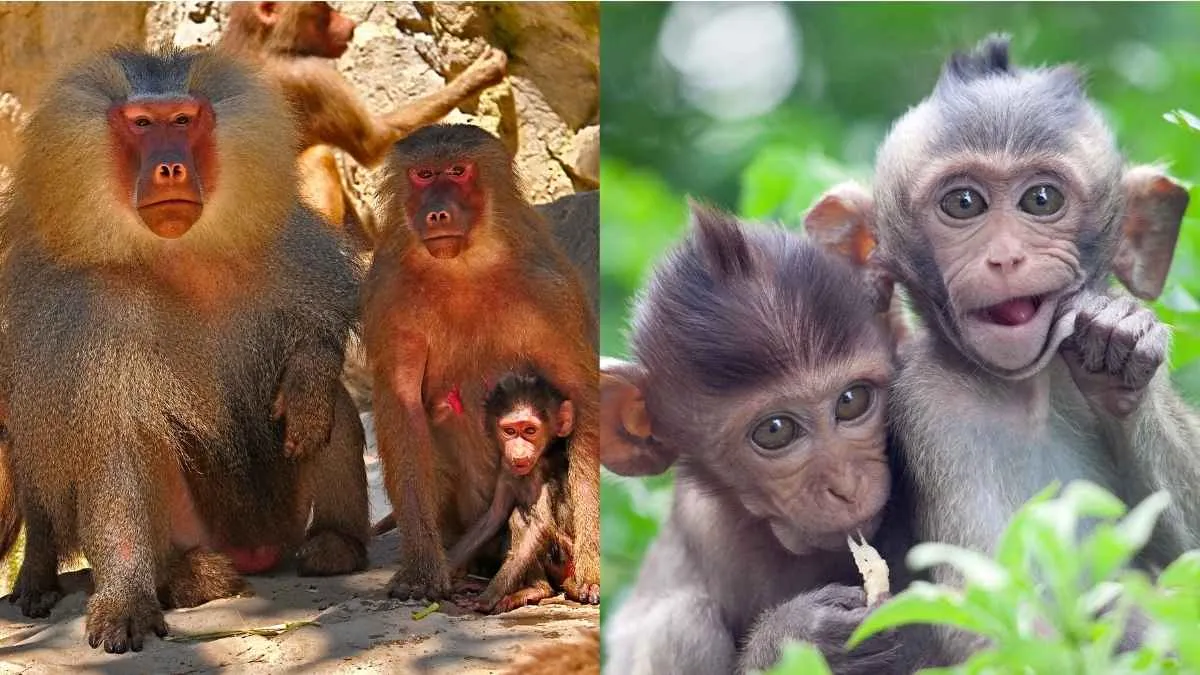
Baboons (left) vs Monkeys (right)
| Feature | Baboon | Standard Small Monkey |
| Face Shape | Long snout similar to a dog | Flatter face with short jaws |
| Tail Usage | Cannot use tail to grab branches | Many use tails to balance or grip |
| Living Space | Spends most time on the ground | Spends most time in trees |
| Body Size | Large and heavily built | Mostly small to medium-sized |
Interesting Facts about Baboons as a Group
Living in a troop helps baboons stay safe from predators like leopards. And this is how their groups function in wild:
- Female baboons stay in the same troop for life and keep the social rank of their mothers.
- Baboons use over 30 different calls which includes barks and grunts. The sound help them to warn the group about danger.
- Research shows baboons often follow the majority when deciding which direction to travel for food.

Harshita Singh is an education and general knowledge journalist with over 5 years of experience in educational writing. Specializing in US affairs and GK, Harshita has a track record of breaking down intricate geopolitical and historical subjects into clear, digestible insights for learners. Her strong background in text analysis, coupled with a Bachelor of Arts (Hons) in English from the University of Delhi, helps her produce authoritative, thoroughly researched content that empowers readers to engage confidently with global current affairs. For inquiries or academic insights, you can reach out to her directly at harshita.singh@jagrannewmedia.com.

-1788350536938_t.webp)