US Midterm Election Results 2026: Trump to Be 'Mr Veto'; What Can He Reject, Block With Ultimate Presidential Powers?
Prior to elections, Trump hinted that he is willing to use his veto powers, as he regarded them as his “ultimate power” and stated that he could dismiss bills cleared by Democrats. He added that repeated vetoes could compel lawmakers towards negotiations.
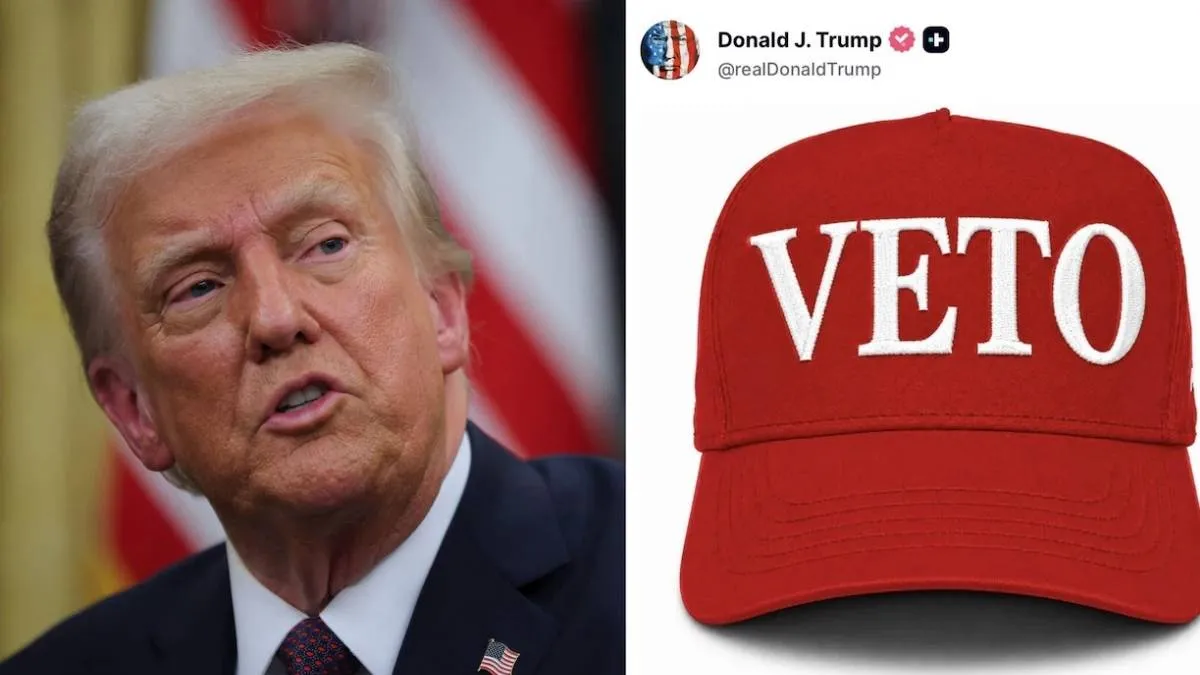
US President Donald Trump faces a confrontation with a Democratic Congress after the party’s powerful stint in the 2026 midterm elections. Democrats have secured control of both the House of Representatives and Senate, thus arming them with stronger influence over legislation, spending and investigations. However, Trump retains a constitutional tool: the presidential veto.
Prior to elections, Trump hinted that he is willing to use his veto powers, as he regarded them as his “ultimate power” and stated that he could dismiss bills cleared by Democrats. He added repeated vetoes could compel lawmakers towards negotiations.
How Does the Presidential Veto Work?
Article I, Section 7 of the US Constitution offers the president authority to clear or reject legislation passed by Congress. Once a bill enters the White House, the president has 10 days, excluding Sundays, to sign it, return it with objections, or permit it to become law without a signature.
If the president vetoes a bill, it returns to Congress. Lawmakers can still enact it, but only by overriding the veto with a two-thirds majority in both chambers. That implies that 290 votes in the 435-member House and 67 in the 100-member Senate, assuming all seats vote. Democrats’ majorities fall short, making it an override hurdle without Republican support.
The president can also utilise a pocket veto. If Congress adjourns during the 10-day period and the president cannot return the bill, the legislation fails to turn into law. If Congress is in session, the bill can become law without the president’s signature after the deadline.
How Could Trump Use the Power Against Democrats?
The veto allows Trump to block bills challenging his policies or reversing measures enacted during his presidency. It could influence negotiations before legislation comes to him, as Democrats may revise proposals to avoid rejection.
Democrats could approve popular measures on healthcare, housing and other concerns, even if they expect Trump to veto them. Such votes could expose disagreements and pressurise the White House.
Congress, which is slated to convene in January 2027, will have oversight powers. Democrats can initiate investigations, issue subpoenas, scrutinise federal spending and utilise Senate control to delay or dismiss presidential nominees.
Trump may leverage executive actions when Congress is deadlocked, but those decisions can face court hurdles and legal restrictions. The two years could escalate veto battles, investigations and negotiations, with neither side able to use unchecked power.

At Jagran Josh, she specialises in writing explainers and analytical stories on international news and current affairs. Over the years, she has developed strong expertise in leveraging digital and multimedia tools, along with SEO best practices, to enhance the speed, reach, and impact of her stories.