RBI MPC Meet 2026 Minutes: More Repo Rate Hikes Coming? Governor Malhotra Reveals Next Moves, Future Outlook Amid Inflation
The six-member MPC unanimously voted to boost the benchmark repo rate by 25 basis points to 5.5%, thus ushering in the maiden rate hike in nearly four years. This move revealed soaring concerns over persistent inflationary pressures and their possible influence on the economy.
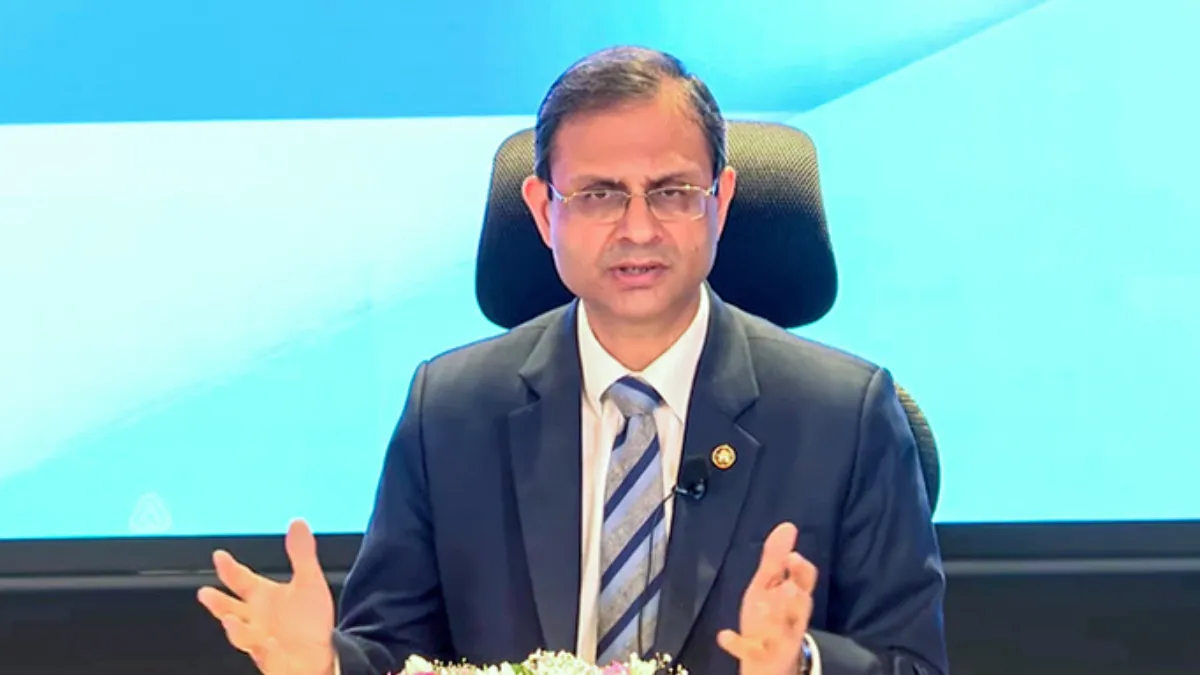
Reserve Bank of India (RBI) Governor Sanjay Malhotra has signalled that future interest rate rises will depend on how inflation and economic growth evolve, according to the official minutes of the Monetary Policy Committee (MPC) meeting held from October 5 to 7, as released on October 21. They underscore the central bank’s task of controlling rising prices without undermining economic activity. This comes before the next RBI MPC meeting slated for December 2-4.
“It only signals that given the current conditions, rate cuts are off the table in the near term and policy action ahead can only be a rate hike or a pause, depending on the evolving conditions and the outlook. The duration and extent of the rate hike cycle would be contingent on the actual growth-inflation developments and outlook, especially that of underlying inflation, the extent of broadening of price pressures and second round effects of the supply shock, as also the impact of demand impulses,” the Minutes said.
The six-member MPC unanimously voted to boost the benchmark repo rate by 25 basis points to 5.5%, thus ushering in the maiden rate hike in nearly four years. This move revealed soaring concerns over persistent inflationary pressures and their possible influence on the economy.
Malhotra highlighted that the extent and duration of new monetary policy would be based on incoming economic data, especially present inflation trends and whether supply-side shocks spread across several goods and services. The minutes uncovered that inflationary pressures were becoming more widespread. In August, 37% of commodities in the consumer price index (CPI) basket saw inflation above 4%, compared with 20% in March.
RBI Governor Sanjay Malhotra said, “As regards supply side inflation requiring a monetary policy response, it is pertinent to mention that monetary policy primarily acts by curtailing second round effects (wage expectations and firm level pricing behaviour) of a supply shock. It is difficult to distinguish between the second-round effects and the indirect impact of supply side pressures (in production cost through energy and other inputs) as both are present in core inflation. Similarly, there are risks of demand side pressures in view of the growth in monetary and credit aggregates.”
Deputy Governor Poonam Gupta and RBI Executive Director Indranil Bhattacharyya also urged a more practical approach to manage inflation. Gupta asserted that policymakers should not wait for conclusive proof of wider inflation before resolving, as monetary policy takes time to work. Deferred intervention could permit inflation expectations to become entrenched, thus making price stability difficult to achieve.
She also advised that another rate rise might be crucial to control inflation expectations. However, the pace and timing of any fresh tightening would rely on new inflation data, the spread of price pressures and proof of second-round effects.
Contrastingly, external MPC members Nagesh Kumar and Ram Singh opposed switching towards a tighter monetary policy. They favoured a neutral approach amid geopolitical conflicts and trade-related unpredictability. Singh cautioned that signalling substantial future rate elevation could discourage household consumption, private investment and corporate capital expenditure, thus weakening economic growth.
The policy debate comes as consumer inflation rose to an almost two-year high in September, thus crossing the upper limit of the RBI’s 2–6% tolerance band. A weak monsoon has fuelled concerns about food prices, while the rupee’s depreciation could bolster the prices of imported goods.
Therefore, the opposing views within the MPC expose the delicate challenge facing the RBI. While some policymakers advise early action to prevent inflation from becoming persistent, others warn against massive tightening that endangers growth.

At Jagran Josh, she specialises in writing explainers and analytical stories on international news and current affairs. Over the years, she has developed strong expertise in leveraging digital and multimedia tools, along with SEO best practices, to enhance the speed, reach, and impact of her stories.