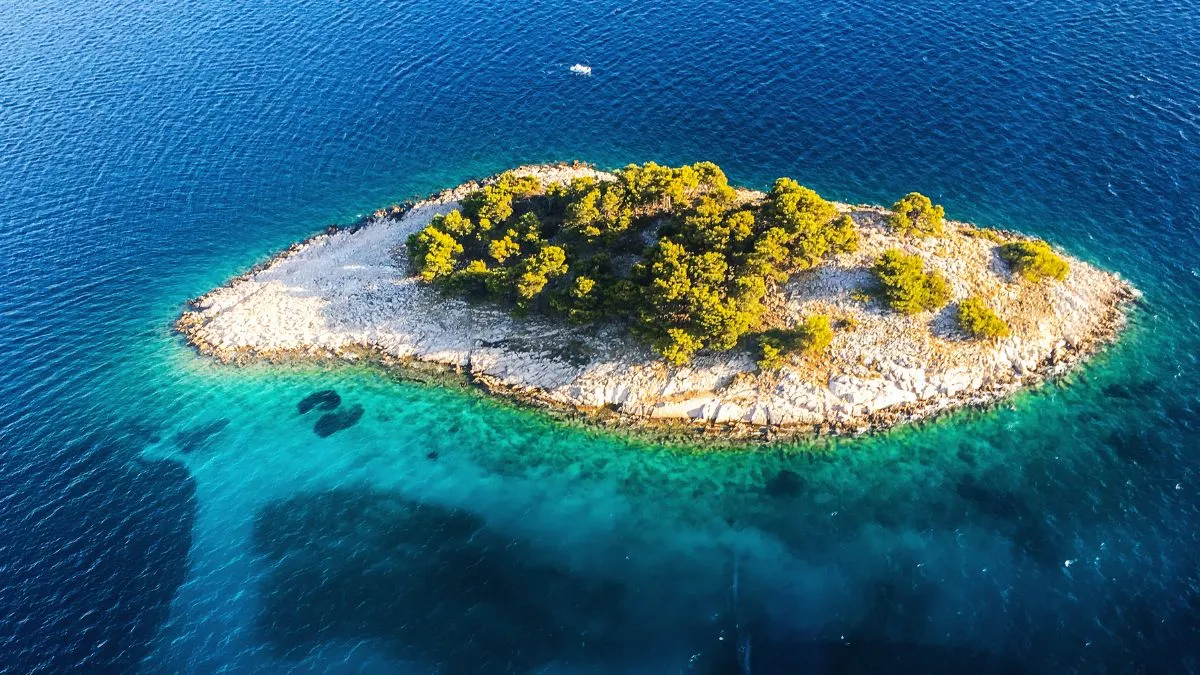
The ocean with the maximum number of islands is a key feature of Earth’s geography and natural history. These islands were formed over millions of years due to volcanic eruptions, tectonic movements, and coral reef growth. Ranging from small coral atolls to large inhabited landmasses, these islands play an important role in biodiversity, climate regulation, and human settlement patterns.
Which Ocean Has the Maximum Number of Islands?
The Pacific Ocean has the maximum number of islands in the world. It contains thousands of islands, far more than any other ocean, spread across vast distances. The Pacific Ocean’s enormous size and geological activity make it the world’s richest ocean in terms of island formation.
Largest Ocean on Earth
The Pacific Ocean is the largest ocean on Earth, covering nearly one-third of the planet’s surface. It is larger than all of Earth’s land area combined, stretching from the Arctic Ocean in the north to the Southern Ocean in the south. Its massive expanse allows countless islands to form and remain widely distributed across the ocean basin.
Highest Marine Biodiversity
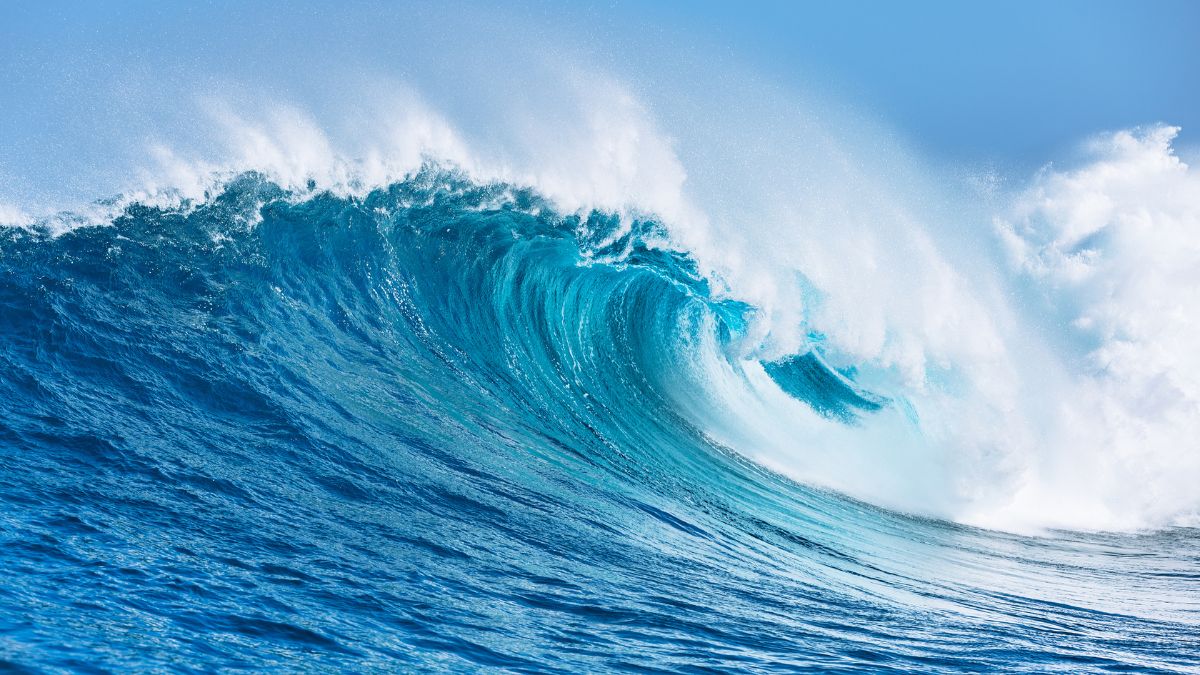
The Pacific Ocean has the highest marine biodiversity among all oceans. It supports vast coral reef systems, deep-sea ecosystems, and coastal habitats that sustain thousands of marine species. Many of these ecosystems develop around island chains, making islands central to the ocean’s ecological richness.
Why Does the Pacific Ocean Have the Most Islands?
The Pacific Ocean lies along the Ring of Fire, a region known for intense volcanic activity and frequent earthquakes. Continuous volcanic eruptions create new islands, while tectonic plate movements uplift existing landforms. Coral growth over submerged volcanoes further contributes to the formation of coral islands and atolls.
Major Island Groups in the Pacific Ocean
Polynesia
Polynesia includes some of the most widely spread islands on Earth, such as Hawaii, Samoa, Tonga, and Tahiti. These islands are known for their volcanic origins, rich cultural heritage, and long-distance ocean navigation traditions.
Micronesia
Micronesia consists of thousands of small islands and atolls, including the Marshall Islands, Palau, and Kiribati. Many of these islands are low-lying coral formations, making them especially vulnerable to sea-level rise and climate change.
Melanesia
Melanesia includes larger and more mountainous islands such as Papua New Guinea, Fiji, Solomon Islands, and Vanuatu. These islands are rich in natural resources, dense forests, and linguistic diversity, making them one of the most culturally diverse regions in the world.
Pacific Ocean Overview
| Feature | Details |
| Ocean with Maximum Islands | Pacific Ocean (Home to over 25,000 islands) |
| Total Area | Approx. 165 million sq km |
| Depth | Deepest ocean in the world |
| Geological Activity | Extremely high (The Ring of Fire) |
| Island Types | Volcanic, coral, and uplifted |
| Major Island Regions | Polynesia, Micronesia, and Melanesia |
How Were Pacific Islands Formed?
Most Pacific islands originated from underwater volcanic eruptions that gradually rose above sea level. Over time, coral reefs developed around these volcanic islands, forming coral islands and ring-shaped atolls. Tectonic uplift also played a role in raising parts of the ocean floor into island landmasses.
-1769349277344.jpg)
Interesting Facts About the Pacific Ocean
Home to the World’s Deepest Point
The Pacific Ocean contains the Mariana Trench, the deepest known part of Earth’s oceans, highlighting its extreme geological depth.
Contains the Most Active Volcanoes
More than 75% of the world’s active volcanoes are located in and around the Pacific region, constantly reshaping its islands.
Island Nations Depend on the Pacific
Many island countries such as Fiji, Kiribati, and Tonga rely heavily on the Pacific Ocean for food, transport and economic activities.
Plays a Major Role in Climate Systems
Ocean currents in the Pacific influence global weather patterns, including monsoons and ocean-atmosphere events.
Supports Ancient Ocean Navigation
Pacific islanders developed advanced navigation techniques using stars, waves and wind long before modern instruments existed.
Read more: Which Continent Is Permanently Covered With Snow?
The Pacific Ocean holds the record for having the maximum number of islands in the world due to its vast size, active geology, and continuous island formation processes. Keep reading for more such topics.





Comments
All Comments (0)
Join the conversation