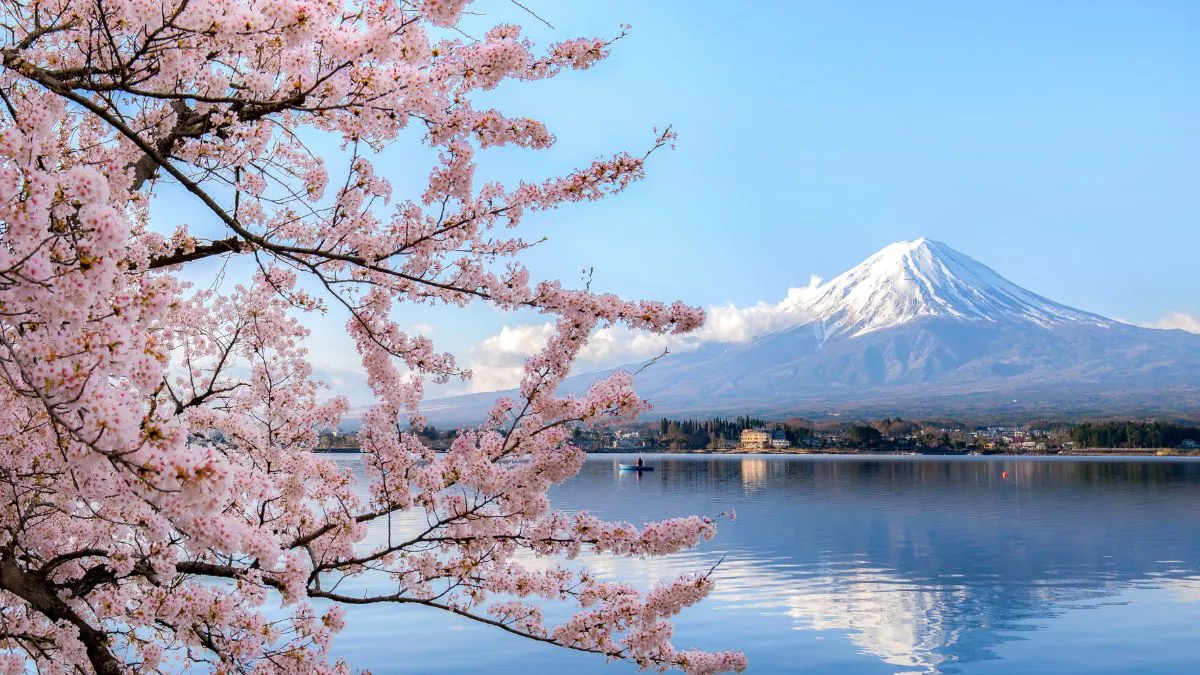
Land of Cherry Blossoms: Japan is called the Land of Cherry Blossoms because cherry blossom trees, known as Sakura, are deeply woven into the country’s culture, traditions, landscapes, and national identity. Every spring, the blooming of cherry blossoms becomes a nationwide event celebrated by people of all ages.
Why Is Japan Called the Land of Cherry Blossoms?
Japan earns this title due to the widespread cultivation of cherry blossom trees across cities, villages, temples, schools, and riverbanks. The blooming season is closely followed through official forecasts, and daily life, travel plans, and cultural activities often revolve around the arrival of sakura. No other country celebrates cherry blossoms with such scale and emotional significance.
Meaning of Cherry Blossoms in Japanese Culture
Cherry blossoms symbolise life, renewal, beauty, and the impermanence of existence. Their brief blooming period reflects the idea that life is short and should be appreciated fully. This philosophy has influenced Japanese values, art, literature, and spiritual beliefs for centuries.
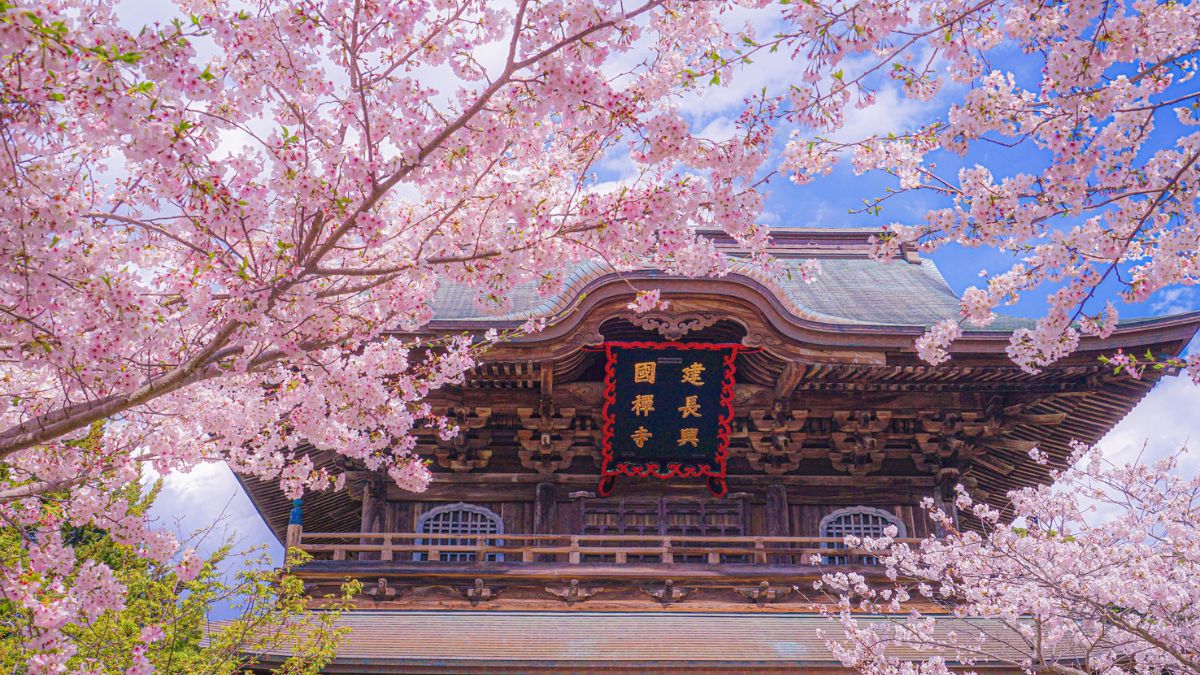
National Flower of Japan
Sakura is regarded as the national flower of Japan and represents national pride and unity. There are over 600 varieties of cherry blossoms found across the country, each with different shapes, colors, and blooming times. Among them, Somei Yoshino is the most common variety planted in public spaces.
Cherry Blossom Season in Japan
The cherry blossom season generally begins in late March and lasts until April, though it can extend into May in northern regions like Hokkaido. The bloom moves gradually from south to north, and the sakura forecast is widely broadcast on television and news platforms to help people plan celebrations.
Cherry Blossom Festival
Hanami, meaning “flower viewing,” is a traditional celebration where families, friends, and colleagues gather under blooming cherry trees. People enjoy picnics, traditional food, music, and social bonding. Hanami has been practiced for over 1,000 years and remains one of Japan’s most cherished cultural traditions.
Cherry Blossoms and Tourism
Cherry blossom season attracts millions of domestic and international tourists each year. Parks, temples, and historic sites become major tourist attractions, boosting local businesses, hotels, transport services, and seasonal markets. Sakura tourism is a significant contributor to Japan’s spring economy.
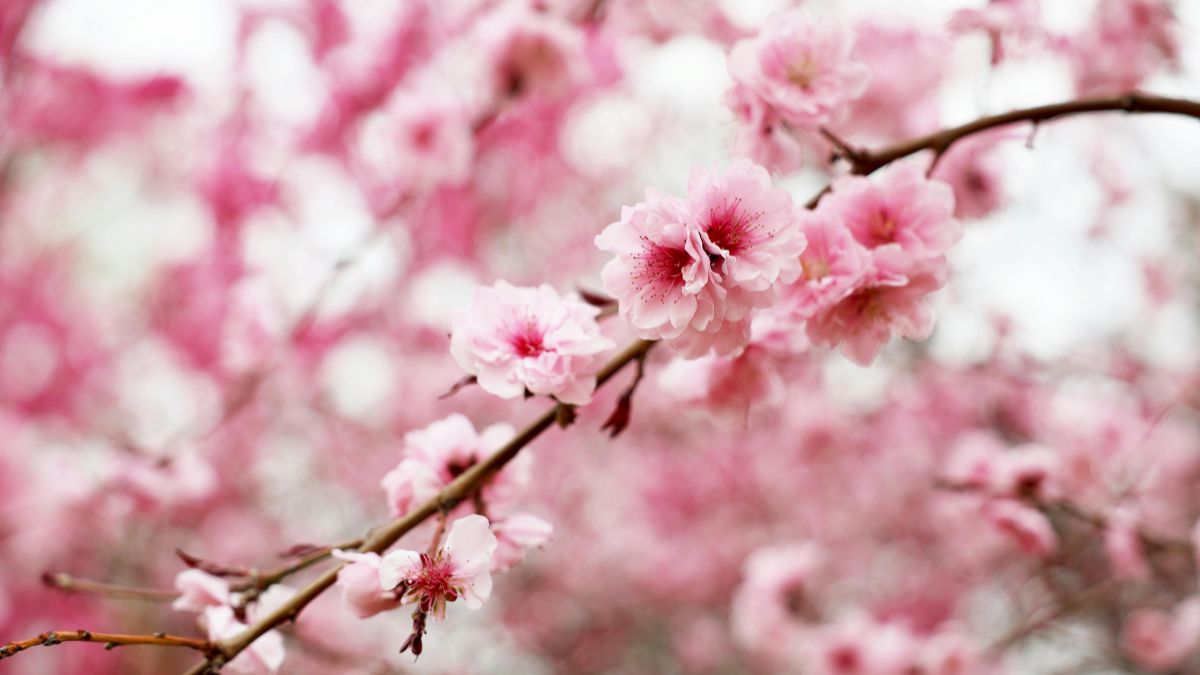
Interesting Facts About the Land of Cherry Blossoms
Short Blooming Period
Cherry blossoms usually bloom for only one to two weeks, and their petals fall quickly. This short lifespan makes the blossoms even more precious and reinforces their symbolism of fleeting beauty.
Night-Time Cherry Blossom Viewing
Many parks offer Yozakura, where cherry trees are illuminated at night. This creates a magical atmosphere and allows people to enjoy the blossoms even after sunset.
Cherry Blossoms Are Edible
Certain cherry blossom varieties are preserved in salt and used in tea, sweets, rice dishes, and desserts, adding a floral flavor to traditional Japanese cuisine.
Major Role in Japanese Art and Media
Cherry blossoms are a popular theme in Japanese paintings, poetry, films, anime, and music. They are often used to represent new beginnings, emotional moments, and seasonal change.
Symbol of National Unity
Cherry blossoms bloom almost simultaneously across the country, symbolising unity and shared cultural identity. People from different regions and backgrounds come together to celebrate this natural event.




-1766079046715.jpg)

Comments
All Comments (0)
Join the conversation