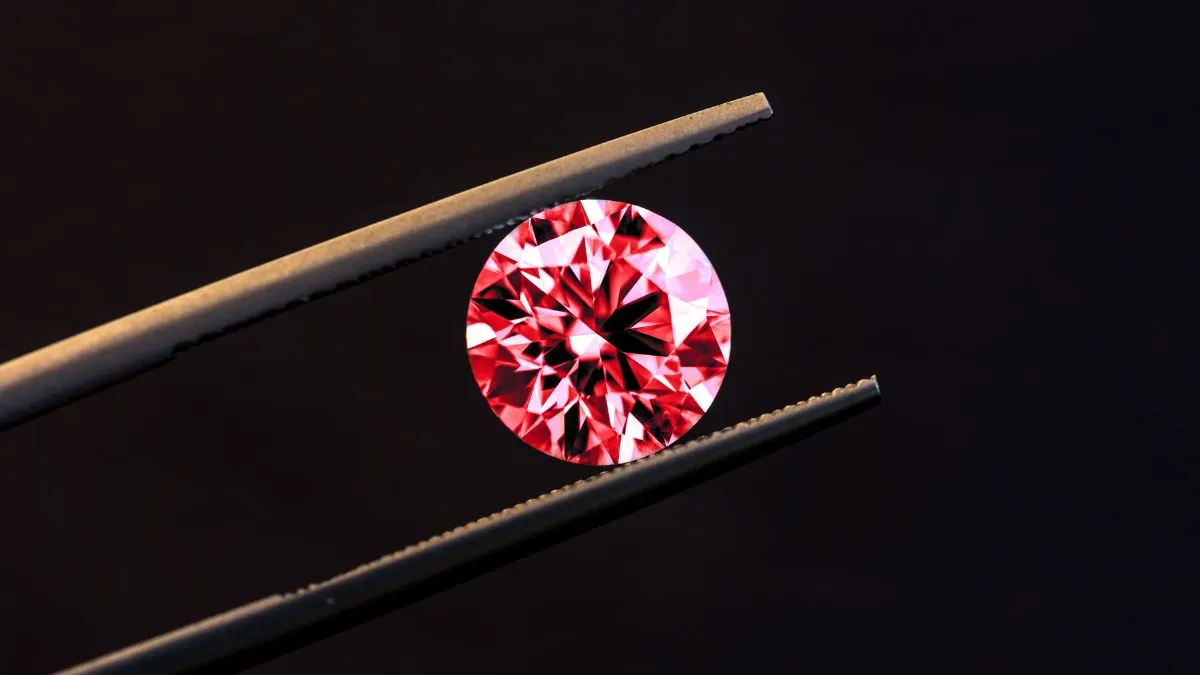
King of Gemstones: The Ruby is known as the King of Gemstones because of its deep red colour, rarity, high economic value, and strong historical association with royalty, power, wealth, and leadership. It has been used for centuries in royal crowns, ceremonial jewellery, and luxury ornaments, making it one of the most prestigious and respected gemstones in the world.
Why Is Ruby Called the King of Gemstones?
Ruby is called the King of Gemstones because of its intense red colour, durability, rarity, cultural symbolism, and premium value in the global gemstone and jewellery market. The gemstone represents strength, vitality, courage, passion, prosperity, and success, which is why it has been admired by kings, rulers, warriors, and royal families across civilisations.
Mineral Name and Composition of Ruby
The mineral name of Ruby is Corundum (Aluminium Oxide), and its red colour comes from the presence of chromium in the crystal structure. Ruby belongs to the oxide mineral group and has a hardness of 9 on the Mohs scale, making it one of the hardest gemstones after diamond and highly suitable for fine jewellery and ornamental craftsmanship.
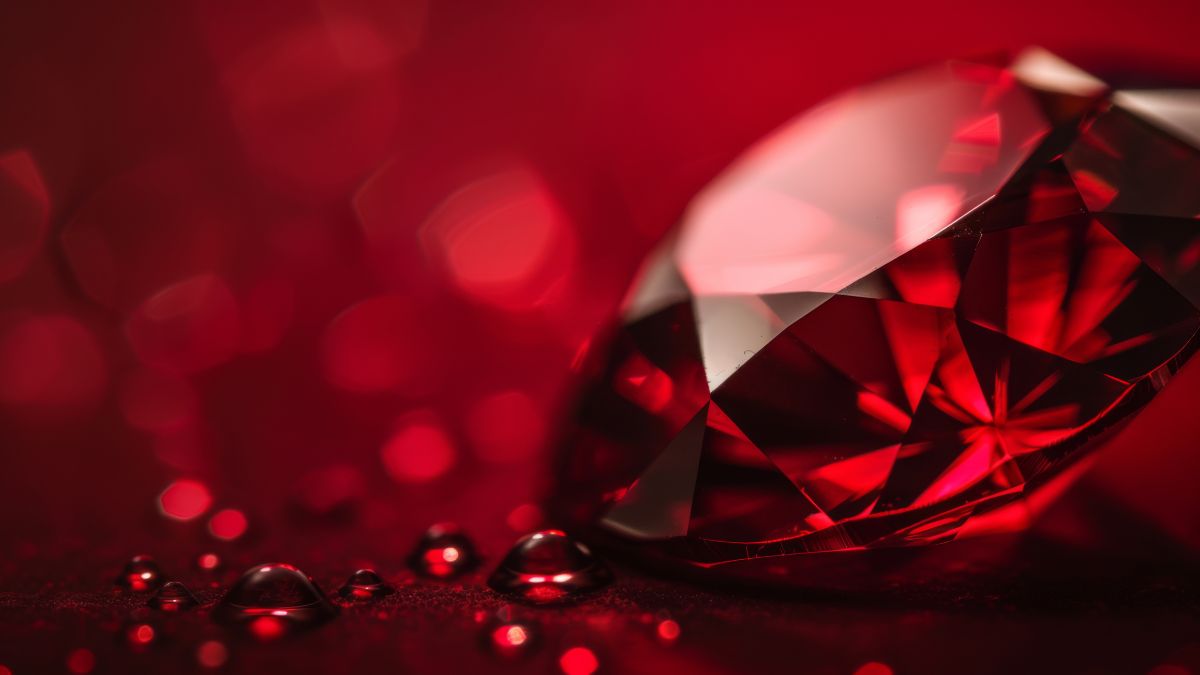
Historical Significance of Ruby
Ruby has played an important role in ancient Indian, Burmese, Chinese, Middle Eastern, and European cultures. It was used in royal crowns, ceremonial artefacts, warrior ornaments, and sacred treasures and was believed to symbolise honour, protection, authority, and divine power. In many ancient texts and traditions, Ruby was regarded as a gemstone of kings and noble rulers.
Economic and Industrial Importance of Ruby
Natural Ruby holds a premium position in the global gemstone, luxury jewellery, auction, and investment market. Fine-quality Burmese and African rubies are rare and highly valuable, often fetching record prices. Apart from jewellery, synthetic rubies are used in scientific research, optical instruments, lasers and technological applications, giving the gemstone both ornamental and industrial importance.
Birthstone and Zodiac Association of Ruby
Ruby is the birthstone for the month of July and is traditionally associated with the Sun in astrology. It is believed to represent confidence, vitality, courage, authority, motivation, and leadership energy, and is widely used in gemstone healing, cultural traditions, and symbolic jewelry across different regions of the world.
Interesting Facts About Ruby
One of the Rarest and Most Valuable Gemstones
Fine-quality rubies with deep red color and high clarity are extremely rare and are considered among the most valuable colored gemstones in the world. Their rarity, natural formation conditions, and limited high-grade deposits significantly increase their demand and market value.
Symbol of Power, Royalty, and Prestige
Ruby has been a symbol of power, prestige, nobility, and royal heritage since ancient times. It has been used in crowns, royal insignia, thrones, and ceremonial ornaments, reflecting its strong connection with authority, leadership, honor, and social status.
Famous for Its Deep Pigeon Blood Red Color
The finest rubies display a rich red shade known as “Pigeon Blood Red,” which is highly prized in gemstone markets. This intense color enhances the gemstone’s beauty, desirability, and collectible value among jewelers, collectors, and luxury buyers.
Highly Durable and Suitable for Fine Jewelry
With a hardness of 9 on the Mohs scale, Ruby is highly durable, resistant to scratches, and suitable for rings, necklaces, bracelets, and royal jewelry pieces that are worn regularly. Its strength and longevity contribute to its high demand in premium jewelry design.
Major Ruby Mining Regions in the World
Important ruby-producing regions include Myanmar (Burma), Mozambique, Thailand, Sri Lanka, Tanzania, Vietnam, and Madagascar. These regions supply rubies to the international gemstone trade and play a major role in the global luxury jewellery and gemstone export industry.
Read more: Which Fish Is Known as the King of Indian Rivers?
Ruby is known as the King of Gemstones because of its rarity, royal heritage, deep red colour, durability, cultural symbolism and high value in the global jewellery and luxury gemstone market. Keep reading for more such topics.





-1766579328177.jpg)
Comments
All Comments (0)
Join the conversation