
Key Points
- Cheetahs are the fastest land animals, reaching speeds of 75-80 mph.
- Jaguars, found in South America, can reach speeds up to 50 mph.
- Servals, African cats, can reach 40 mph, with bursts up to 50 mph.
Fastest Cats: Cats are among the most fascinating creatures on Earth. Known for their grace, agility, and keen senses, they have been admired by humans for thousands of years. While domestic cats are beloved companions, the world of wild cats is even more impressive, especially when it comes to speed.
Speed is a vital trait for cats, helping them catch prey and survive in the wild. Some cats rely on short bursts of incredible acceleration, while others use their agility and strength to stalk or ambush their meals.
From the expansive savannas of Africa to the dense forests of South America, cats have adapted their bodies and hunting techniques to suit their habitats. Understanding the fastest cats not only highlights their extraordinary abilities but also gives insight into how evolution has shaped these magnificent predators.
READ | List of Invertebrate Animals: Check Here!
Fastest Cats in the World
Here is a list of the fastest cats in the world, ranked by their speed and agility:
| Cat | Speed (Maximum) |
| Cheetah | 75–80 mph |
| Jaguar | 50 mph |
| Serval | 40 mph |
| Cougar | 30 mph |
| Rusty Spotted Cat | Upto 50 mph |
| Lion | Up to 50 mph |
| Leopard | Up to 36 mph |
| Tiger | 35–40 mph (in short sprints) |
| Bengal Cat | Up to 35 mph |
| Margay | Up to 30 mph |
| Egyptian Mau | Up to 30 mph |
1. Cheetah

The cheetah (Acinonyx jubatus) is the fastest land animal on the planet. Adults can run at speeds of up to 60 mph, with short sprints reaching 75-80 mph. Built for speed rather than stamina, cheetahs have a slender frame, long legs, and a flexible spine that allow them to accelerate quickly and make sharp turns. These features make them exceptional hunters on flat grasslands, but they can also hunt in wooded or mountainous areas. Unlike most big cats, cheetahs are active during the day.
2. Jaguar
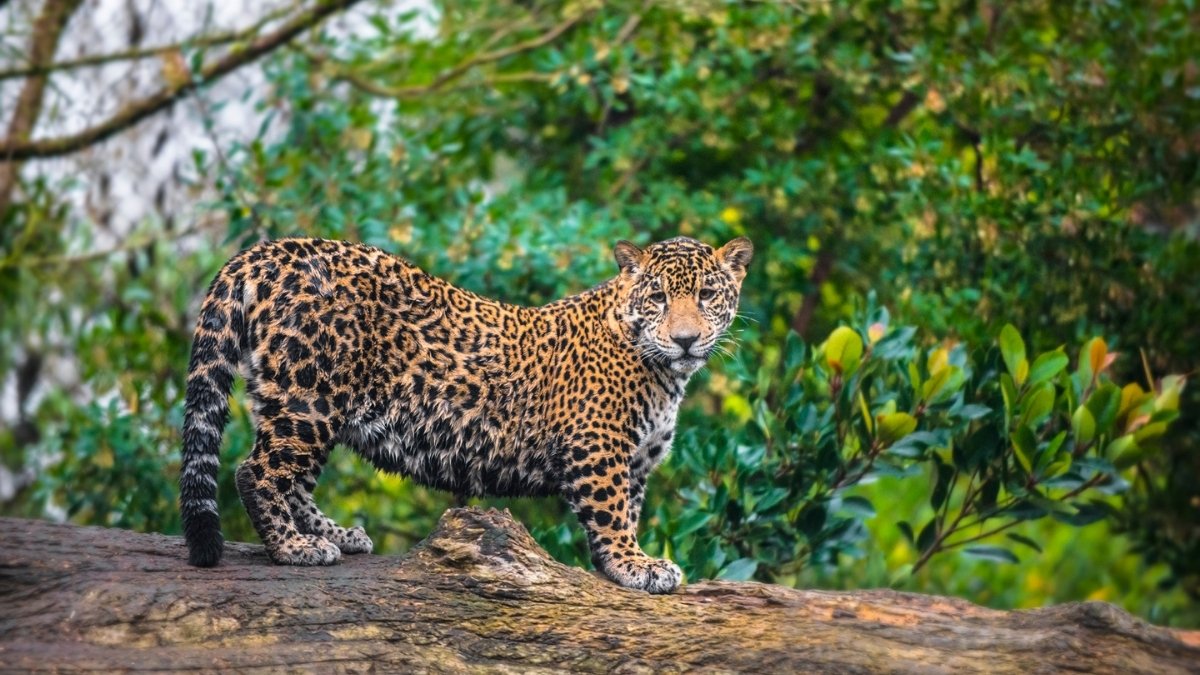
The jaguar (Panthera onca) is the largest feline in South America and a powerful predator. Jaguars can reach speeds of up to 50 mph, which helps them capture agile prey like deer, capybara, and tapir. Their strong, muscular bodies and ornate coat patterns serve both as camouflage and a hunting advantage. Jaguars inhabit rainforests, swamps, and floodplains, where they spend much of their time resting in trees while watching for prey.
3. Serval

The serval (Leptailurus serval) is a medium-sized African cat known for its long legs and agility. They can reach speeds of 40 mph and short bursts of up to 50 mph. Servals are skilled hunters that prefer wetlands but can live in grasslands and savannas. They mainly feed on rodents, birds, and small amphibians. Their long legs allow them to jump, evade predators, and make sharp turns while hunting.
4. Cougar
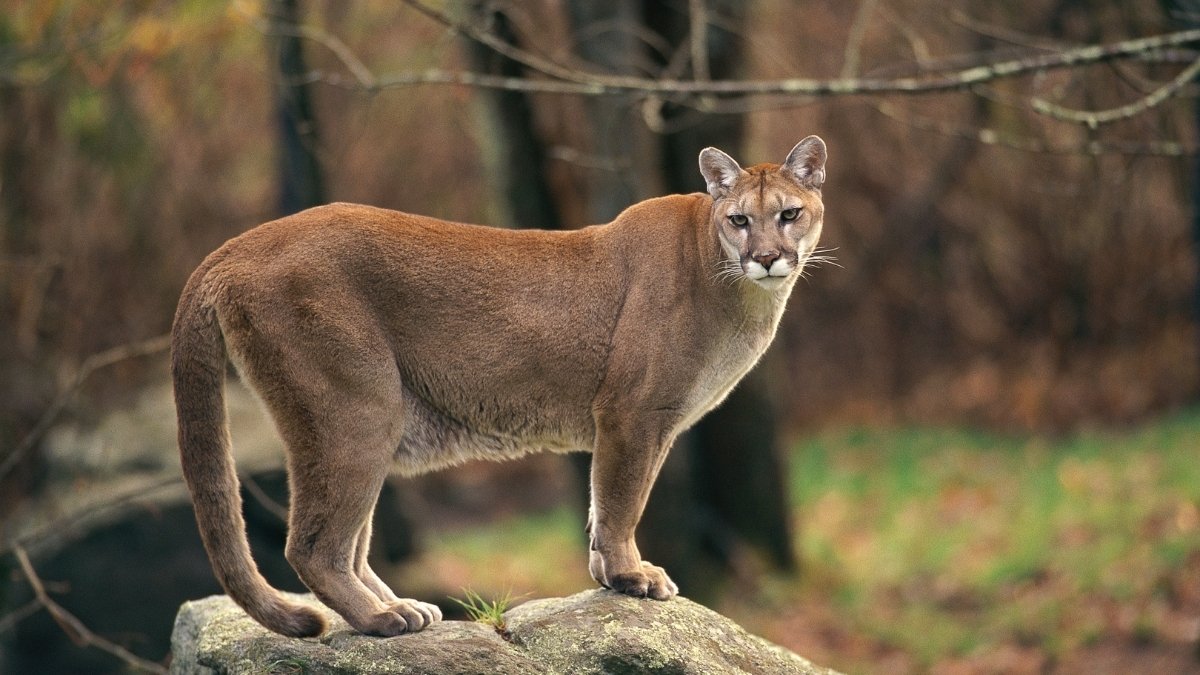
Also called mountain lions (Felis concolor), cougars can run at steady speeds of 30 mph and sprint up to 50 mph. Their agility allows them to chase large prey such as deer and elk. Cougars have thick forearms, strong jaws, and are excellent jumpers. They are the largest cats in North America but are smaller compared to other big cats, with adults weighing up to 200 pounds.
5. Rusty-Spotted Cat

The rusty-spotted cat (Prionailurus rubiginosus) is one of the smallest wild cats, weighing only 1–3 pounds. Despite its size, it can reach speeds of over 50 mph. Native to parts of India, Nepal, and Sri Lanka, this elusive feline relies on its speed and maneuverability to catch prey and avoid threats. Their small size and agility make them highly effective predators.
Conclusion
Cats, whether big or small, are among the most remarkable hunters in the animal kingdom. Their speed, agility, and keen senses allow them to survive and thrive in a variety of habitats, from dense forests to open savannas.



Comments
All Comments (0)
Join the conversation