
Crossroads of the World: Turkey is known as the Crossroads of the World because it connects two continents, Asia and Europe, through its unique geographical location, global trade routes, aviation networks, maritime corridors, and historical cultural exchange. The country lies along the Bosporus Strait and serves as a major link between Eastern and Western civilisations, making it one of the most strategically important nations in the world.
Why Is Turkey Called the Crossroads of the World?
Turkey is called the Crossroads of the World because it has historically functioned as a key gateway for trade caravans, migration routes, Silk Route traders, maritime fleets, and modern logistics corridors. From the Roman and Byzantine periods to the Ottoman Empire and present-day global transport systems, Turkey has continuously played a central role in connecting Europe, Asia, and the Middle East.
Capital and Major Gateway City
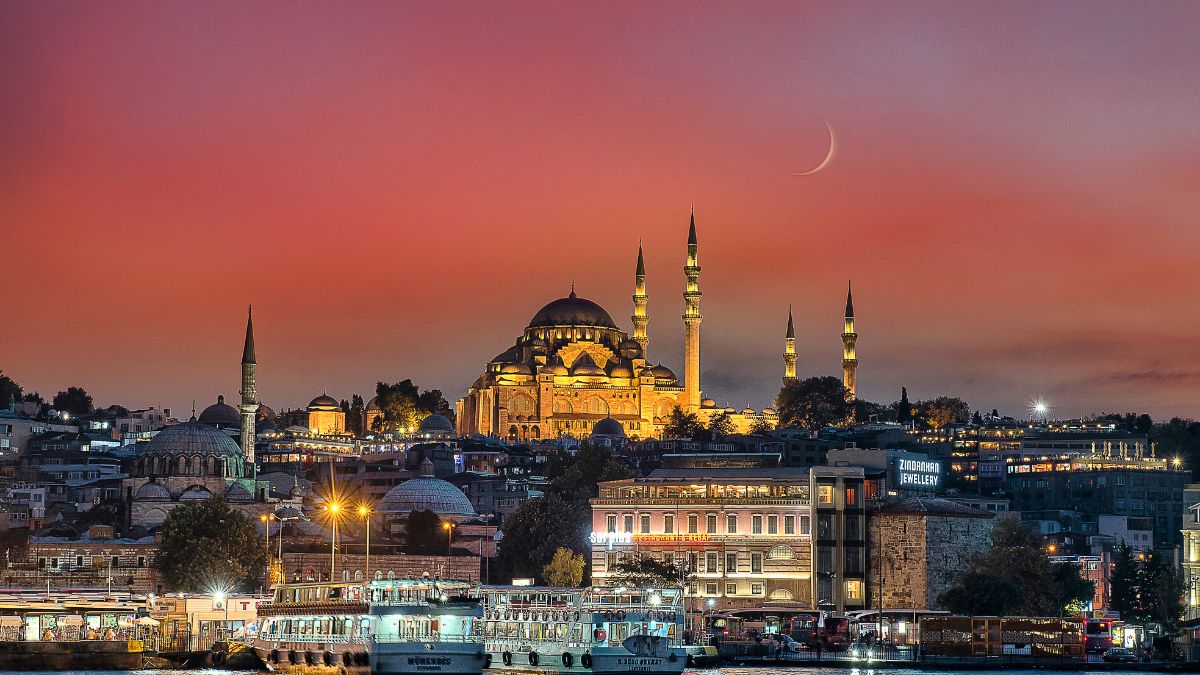
The capital of Turkey is Ankara, while Istanbul is the largest and most globally connected city. Istanbul is one of the rare cities located across two continents, Europe and Asia. It serves as a major hub for international tourism, aviation transit, financial services, maritime trade, and intercontinental business connectivity.
Historical and Cultural Heritage
Turkey has been home to some of the world’s greatest civilizations including the Hittites, Romans, Byzantines, and Ottomans. The country preserves ancient cities, archaeological sites, mosques, cathedrals, palaces, fortresses, and UNESCO World Heritage Sites that highlight centuries of civilizational growth, cultural exchange, and international trade interactions.
Economic and Geostrategic Importance
Turkey holds immense economic and strategic significance due to its position along global shipping routes, railway freight corridors, aviation transit paths, and cross-border pipelines. It serves as a key logistics partner between Europe and Asia and plays an important role in energy supply chains, regional security, international trade agreements, and infrastructure connectivity projects.
One of the Most Strategically Located Countries in the World
Turkey lies at the intersection of Europe, Asia, and the Middle East, making it one of the most strategically positioned countries globally. Its borders connect important trade regions, allowing it to influence economic cooperation, defense networks, transport corridors, and cross-continental partnerships.
Major Global Aviation and Travel Hub
Istanbul is one of the largest international aviation transit hubs in the world. A large percentage of global passenger traffic between Europe, Asia, Africa, and North America passes through Istanbul Airport. The city supports long-haul routes, intercontinental flight connections, and international cargo movement, strengthening Turkey’s position in global aviation.
Historic Silk Route
Turkey historically served as a major Silk Route gateway, where merchants, travelers, and caravans moved between Asia and Europe. Today, the same trade geography continues through modern freight rail networks, shipping terminals, economic corridors, and logistics infrastructure that support global supply chains.
Important Link Between Eastern and Western Cultures
Turkey represents a blend of Eastern and Western cultures in architecture, food, language, traditions, religion, and lifestyle. The country reflects centuries of migration, trade interaction, and cultural exchange, making it an important center of global heritage and multicultural identity.
Interesting Facts About Turkey
Only Country Connecting Two Continents Through a Single City
Turkey is one of the few countries that spans both Europe and Asia, and Istanbul is the only major city in the world located across two continents. This makes Turkey a major strategic and economic connector in international geopolitics.
Istanbul Has Served as Capital of Multiple Empires
Istanbul has historically served as the capital of the Roman Empire, Byzantine Empire, and Ottoman Empire. Its legacy as a global power center reinforces its identity as a major world crossroads.
Major Hub for Global Trade, Shipping, and Logistics
Turkey connects international shipping lanes, transcontinental highways, oil and gas pipelines, rail freight routes, and maritime trade corridors, making it a key contributor to world trade networks.
Rich Heritage of Ancient Civilizations
Turkey preserves ancient archaeological sites, historic ports, religious monuments, trade cities, and cultural landmarks that record thousands of years of global interaction and civilizational exchange.
Strategic Bridge Between Europe and Asia in Modern Geopolitics
Turkey plays an important role in international diplomacy, regional defense cooperation, global economic initiatives, and cross-continental development partnerships due to its strategic location.
Read more: Which Country Is Known as the Land of Black Gold?
Turkey is known as the Crossroads of the World because it connects Europe and Asia geographically, culturally, historically and economically. Its strategic position along trade routes, aviation corridors, shipping lanes, Silk Route pathways and modern transport networks makes it one of the most important bridge countries in global geography and world history. Keep reading for more such topics.



-1766765158553.jpg)
-1766918665913.jpg)
-1766914338544.jpg)
Comments
All Comments (0)
Join the conversation