Which are the 3 Biggest Dams in Assam in 2026?
Assam depends heavily on a few large water projects to generate electricity and control seasonal floods. From massive border projects like the Subansiri Lower Dam to local facilities in the hills, here are the three biggest dams in Assam today.

The water anywhere near the Brahmaputra River and its tributaries gets powerful during every monsoon season in India. The Disang River which is a tributary of Brahmputra in Assam is already under flood warning alerts in July 2026.
Dams contribute to a great extent in countering floods during heavy rainfalls and mange the energy requirement of a state. So how many dams are there in Assam at present?
Official state records show only a few big dam projects handle the real job of handling the state's high power demands.
The knowledge of the biggest dams in Assam brings us to a small group of concrete structures built to generate electricity and hold back heavy river flows.
Let’s read more facts about the three largest dams currently operating or being completed in the region.
List of 3 Biggest Dams in Assam by Size and Capacity
Assam relies on a mix of state run and central government projects to keep the lights on. Here is how the three major dams of Assam compare in physical size and how much power they can produce:
| Rank | Name of Dam in Assam | River | Height | Power Capacity | Location |
| 1 | Subansiri Lower Dam | Subansiri | 116 meters | 2,000 MW | Assam-Arunachal Border |
| 2 | Khandong Dam | Kopili | 66 meters | 50 MW | Dima Hasao |
| 3 | Karbi Langpi Dam | Borpani | 54.5 meters | 100 MW | West Karbi Anglong |
1. Subansiri Lower Dam
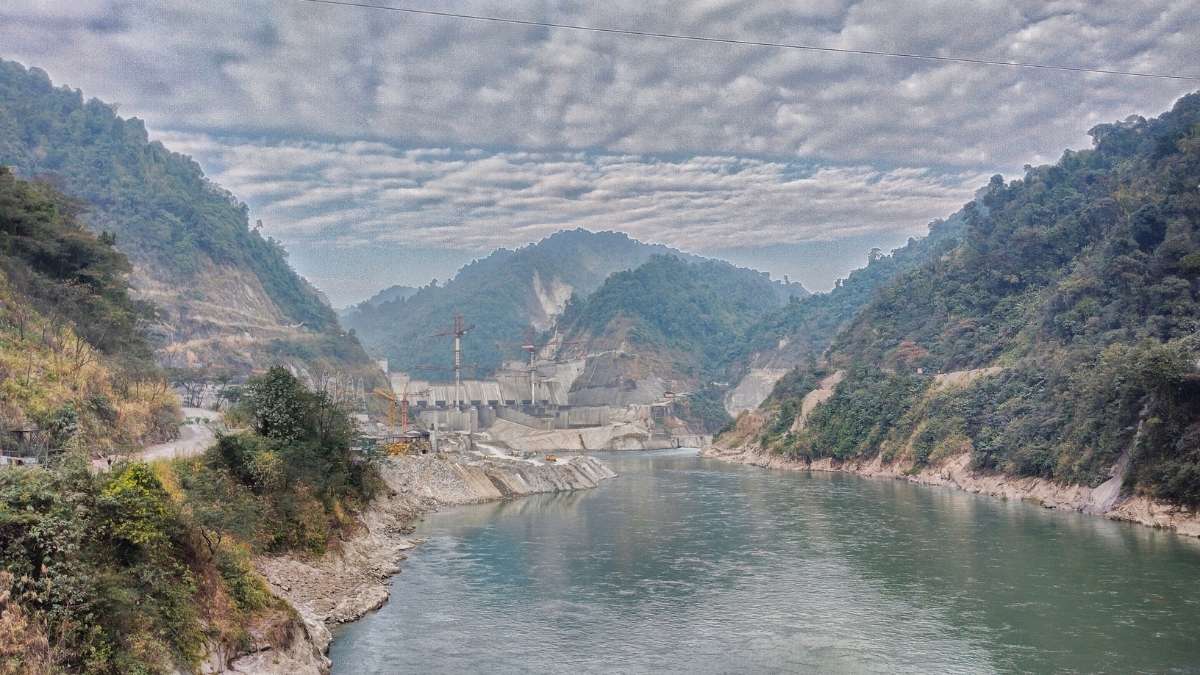
Image Credit: Wikimedia
The Subansiri Lower Dam is easily the biggest dam in Assam as well as in its neighbouring areas with a height of 116 meters.
It was built by NHPC on the Subansiri River. The dam wall has since then held back a large reservoir along the border.
Workers are finishing up additional turbine units in 2026 so that the Subansiri Lower Dam can achieve its 2,000 megawatt target of power supply.
A part of the reservoir is also designed to store excess rainwater aside from generating electricity. So that it can catch excess rainwater before it floods downriver villages.
2. Khandong Dam
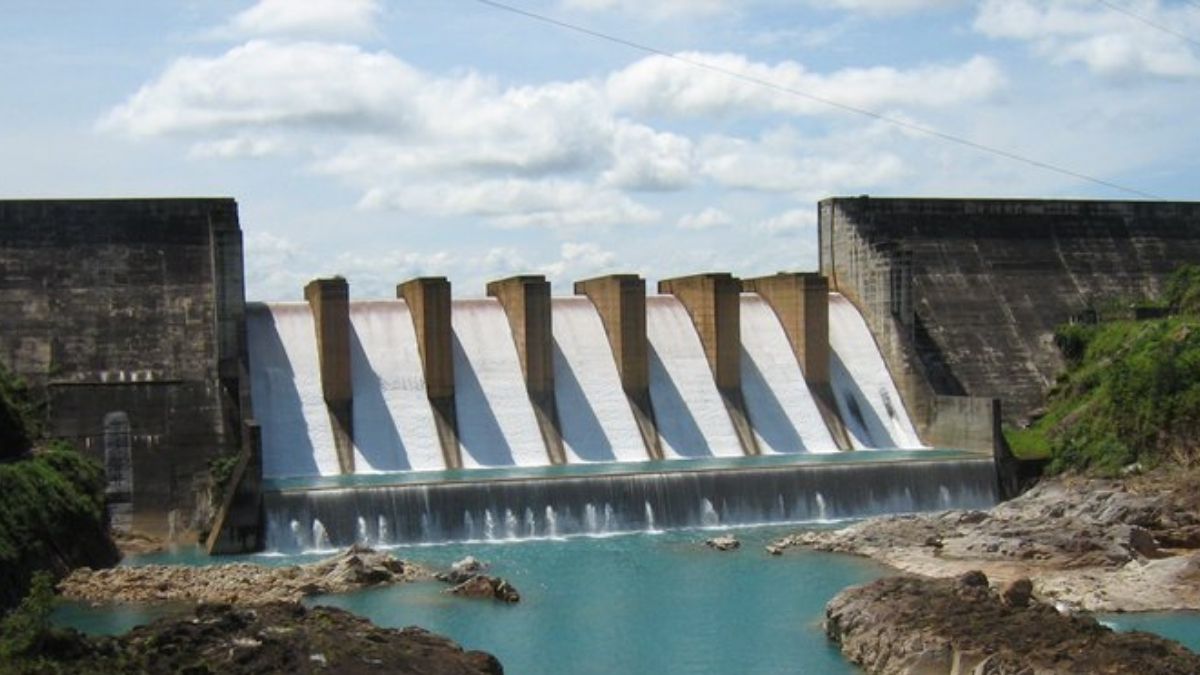
Image Credit: Wikimedia
Khandong Dam is built in the hilly Dima Hasao district of Assam. It is 66 meters tall and is constructed on the Kopili River.
NEEPCO is currently managing this dam in Assam as a part of Kopili Hydroelectric Project. Khandong Dam uses underground pipes and tunnels to move water through the power house.
This is why electricity in the nearby districts remains steady even when the water level in Kopili River drops during the winter season.
3. Karbi Langpi Dam
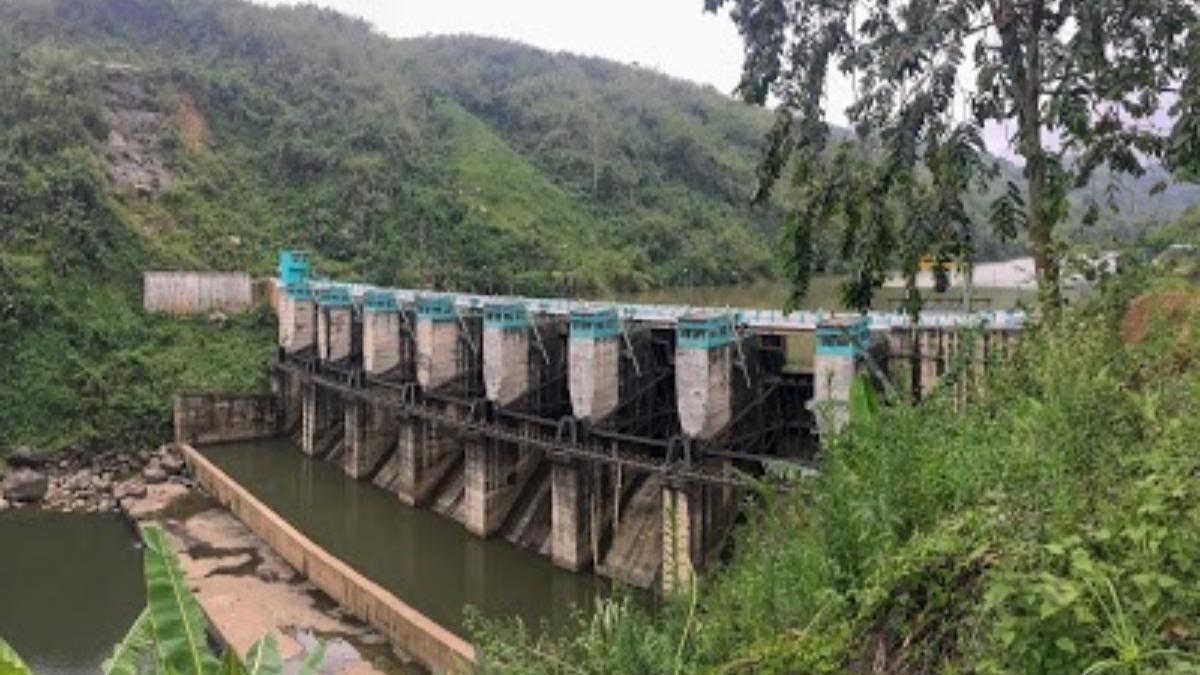
Image Credit: APGCL
The Karbi Langpi Dam is 54.5 meters tall and stands across the Borpani River in West Karbi Anglong. Unlike the Subansiri and Khandong dam this one is run directly by the state's own power company APGCL.
Karbi Langpi Dam uses two main generators to turn the force of river water falling through the valley into 100 megawatts of electricity for local towns and grid lines.
Why does Assam Flood Every Year and Do Dams Help?
Flooding in Assam comes down to geographic conditions and heavy monsoon rains. The state sits on a flat plain and is surrounded by mountains on three sides.
When heavy rain hits the hills and water overflows into the Brahmaputra and its dozens of tributary rivers in northeastern parts of India.
The river slows down and deposits sand and silt because of the flat floor of the Assam valleys. This raises the riverbed over time and makes floods almost inevitable.
Dams in Assam affect this annual flood cycle in two main ways:
- Major structures like the Subansiri Lower Dam keep a portion of their reservoir empty during monsoon season. This extra space acts like a temporary measure to slow down the overflowing of river.
- But extreme cloudbursts up in the hills can fill reservoirs too quickly. In those rare cases engineers must open reservoir gates to protect the dam and let high water levels to flow downstream.

Harshita Singh is an education and general knowledge journalist with over 5 years of experience in educational writing. Specializing in US affairs and GK, Harshita has a track record of breaking down intricate geopolitical and historical subjects into clear, digestible insights for learners. Her strong background in text analysis, coupled with a Bachelor of Arts (Hons) in English from the University of Delhi, helps her produce authoritative, thoroughly researched content that empowers readers to engage confidently with global current affairs. For inquiries or academic insights, you can reach out to her directly at harshita.singh@jagrannewmedia.com.

-1784795312921_t.webp)
-report,-India-emerges-as-a-global-leader-in--1784794758805_t.webp)
-1784778009393_t.webp)






![[Official] BPSC 70th CCE Marksheet 2026 Live: बीपीएससी 70वीं सीसीई मार्कशीट bpsconline.bihar.gov.in जारी, लॉगिन क्रेडेंशियल से करें डाउनलोड](https://img.jagranjosh.com/images/2026/July/2272026/BPSC-70-th-CCE-Marksheet-2026.jpg)