Show Key Points
The National Weather Service (NWS) has sounded the alarm as a rapidly intensifying storm system, dubbed Winter Storm Hernando by some meteorologists, brings treacherous winter weather to millions of Americans this Monday.
This extratropical cyclone underwent bombogenesis, a process where atmospheric pressure plunges at least 24 millibars in 24 hours, resulting in a powerful bomb cyclone that is currently slamming the Northeast and Great Lakes regions.
According to the latest NOAA updates, the storm’s central pressure dropped a staggering 40 millibars in under 12 hours, leading to explosive development and wind gusts exceeding 70 mph from Massachusetts to Rhode Island.
Current Blizzard Warnings and Snowfall Projections
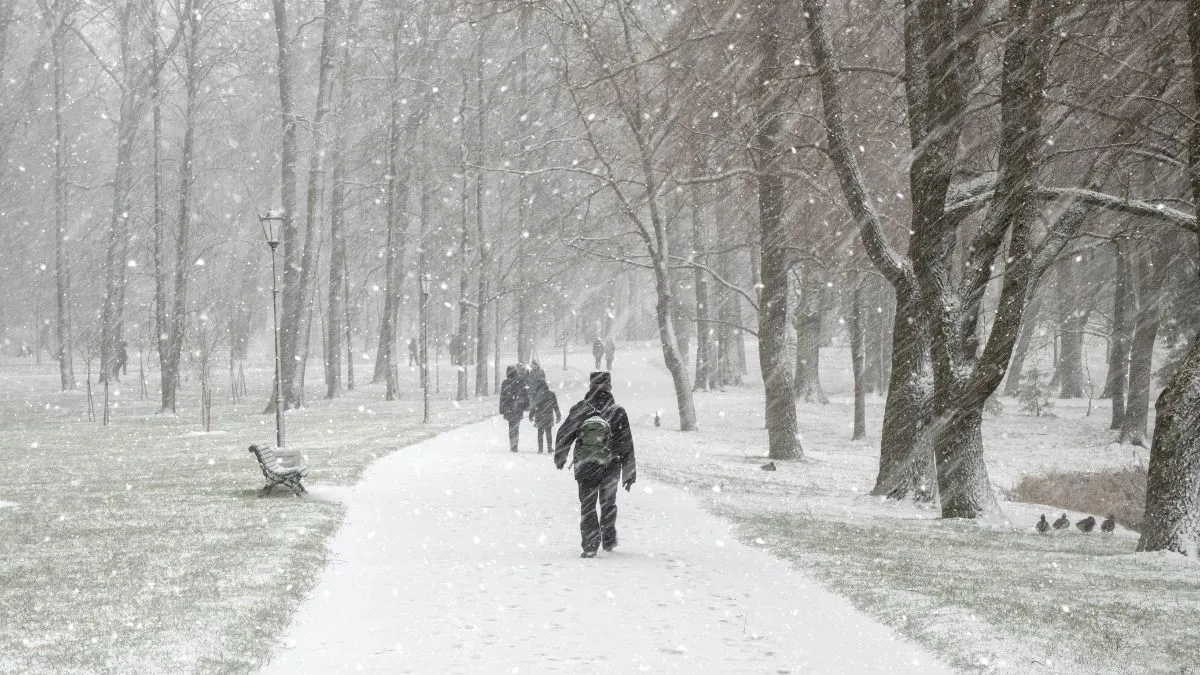
The severity of the current winter weather has prompted local authorities to issue mandatory travel bans in several urban centers. The National Weather Service warns that snowfall rates of 2 to 3 inches per hour are making road travel nearly impossible in the northern Mid-Atlantic.
| Region | Expected Snowfall | Peak Wind Gusts | Warning Status |
| Boston, MA | 18-24 Inches | 75 MPH | Blizzard Warning |
| New York City, NY | 8-12 Inches | 55 MPH | Winter Storm Warning |
| Providence, RI | 15-20 Inches | 70 MPH | Blizzard Warning |
| Minneapolis, MN | 6-10 Inches | 45 MPH | Winter Weather Advisory |
"This is a potentially historic and destructive system," the NWS Boston office stated, noting that coastal flooding remains a high-risk factor for Delaware through Cape Cod.
Check Out - Fresh Arctic Blast and Heavy Snow to Hit Midwest and Northeast This Sunday
How is the Polar Vortex Affecting March Temperatures?
While the calendar says March, the winter weather feels like the dead of January due to a shift in the polar vortex. This pocket of ultra-cold Arctic air has escaped its usual northern confines, stretching down into the eastern two-thirds of the country.
-
Bone-Chilling Cold: Temperatures are currently 15 to 25 degrees Fahrenheit below seasonal averages.
-
Widespread Impact: High pressure is ushering this frigid air into the Mid-Atlantic and even as far south as Florida, where hard freezes are a concern for local agriculture.
-
Infrastructure Stress: Over 650,000 homes have already reported power outages as the heavy, wet nature of the snow downs power lines and trees.
Essential Safety Measures and Travel Impacts
With nearly 8,000 flights canceled across major hubs like Logan International and JFK, travelers are urged to check status updates before heading to airports. Stay inside, warned Kentucky Governor Andy Beshear during a state of emergency address, echoing a sentiment felt across the southern tier where icy patches have caused hundreds of accidents.
For those in the path of the blizzard, the NWS recommends maintaining a winter survival kit and avoiding all non-essential travel until the system moves into northern New England by tomorrow evening.
An updated day 3-7 hazards outlook shows the risk for stormy weather to return to the central U.S. pic.twitter.com/kKcH58jXGu
— NWS Weather Prediction Center (@NWSWPC) March 2, 2026
This evolving winter weather pattern highlights the volatile nature of a La Niña spring, where record warmth in the Southwest collides with Arctic blasts in the North. As the storm exits, residents should remain vigilant for black ice and plummeting wind chills that could pose a risk for frostbite within minutes of exposure.



Comments
All Comments (0)
Join the conversation