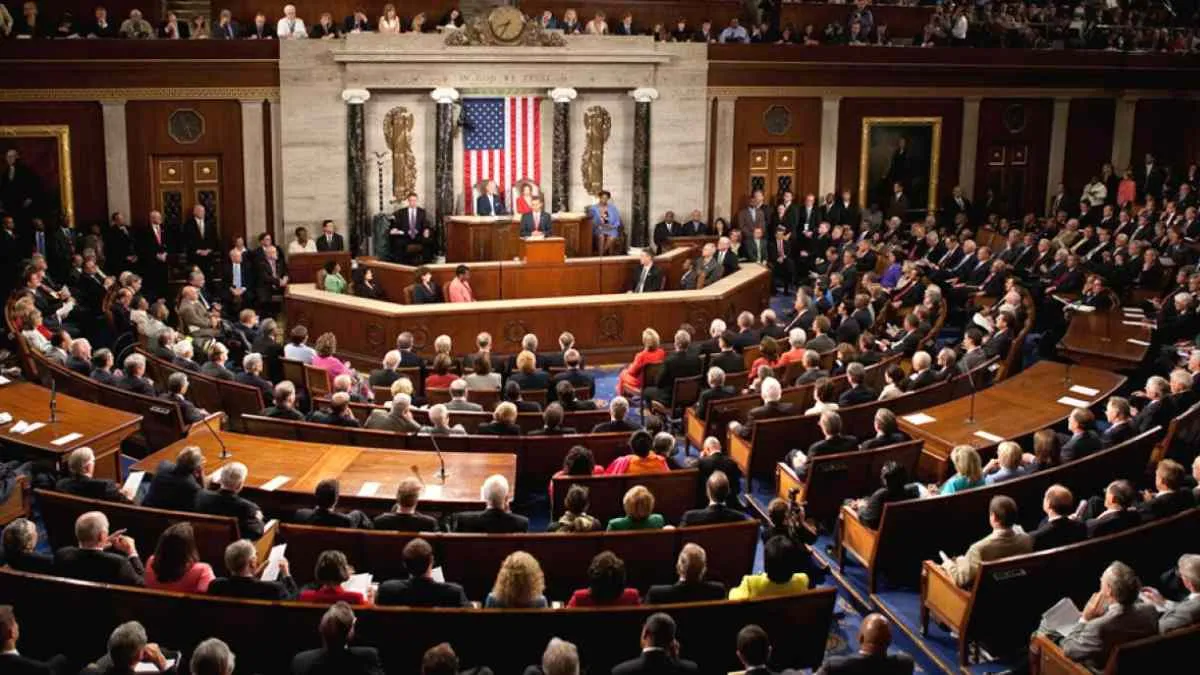
Social welfare and immigration have been significant issues in the U.S political landscape for many years with associated debates around economics, fairness, and identity. State and federal government laws and policies that dictate eligibility to access public benefits are very important. They dictate what services such as food stamps and Medicaid a person qualifies to receive based upon their immigration status. More recently, some lawmakers at various levels have introduced legislative attempts to redefine eligibility standards in order to place limitations on access to public benefits for those who are not U. S. citizens.
These attempts demonstrate a continuing conflict between providing social services to those who are eligible and concerns about government spending and resources. It is critical for both legislators and society as a whole to understand the implications of these issues for immigration policy and social programs as they relate to the American people and their lives.
Check Out: U.S. Gold Card Program: Eligibility, Draft Form and Application Process
What is the No Welfare for Non‑Citizens Act?
The issues of social welfare and immigration have been at the centre of U.S. politics for many years, with associated debates regarding economic fairness and personal identity. Since lawmakers and governmental authorities are responsible for determining who qualifies for public benefits, state and federal laws and policies help shape the perception of who gets what and why based on immigration status.
Recently, several lawmakers at all levels have introduced initiatives to redefine eligibility criteria for the purpose of restricting access to public assistance for individuals other than U.S. citizens. These legislative initiatives signify an ongoing struggle to balance the provision of social services to eligible individuals and concerns about government expenditures and resource allocation.
It is important for both legislators and society at large to understand the impact of both issues on immigration policy and the provision of social programmes that affect Americans' lives.
Who Introduced the No Welfare for Non-Citizen Act?

The No Welfare for Non-Citizen Act was put forth by Florida Republican Congressman Randy Fine, who put forth the bill in the U.S. House of Representatives with the intent of prohibiting non-citizens from receiving any federal government welfare programs. In Fine's opinion, any welfare support offered by the government, which is financed by taxpayer dollars, should be limited to U.S. Citizens only.
The introduction of the bill is part of a much larger political push to further tighten the criteria for welfare eligibility limit, if not completely eliminate, assistance provided to individuals who do not hold U.S. citizenship.
Opposition and Concerns
Opponents of the proposal believe that it imposes restrictions greater than what is available under existing welfare law, and can impact families where U.S. citizen children are recipients of benefits.
Also, they contend that restricting support to lawful immigrant families will result in negative humanitarian and economic effects.
Current Status of Legislation
Currently, the legislation known as No Welfare For Non-Citizens has not yet been introduced and must go through committee review and be voted on in both the House and Senate before it may be signed into law by the president.




Comments
All Comments (0)
Join the conversation