Show Key Points
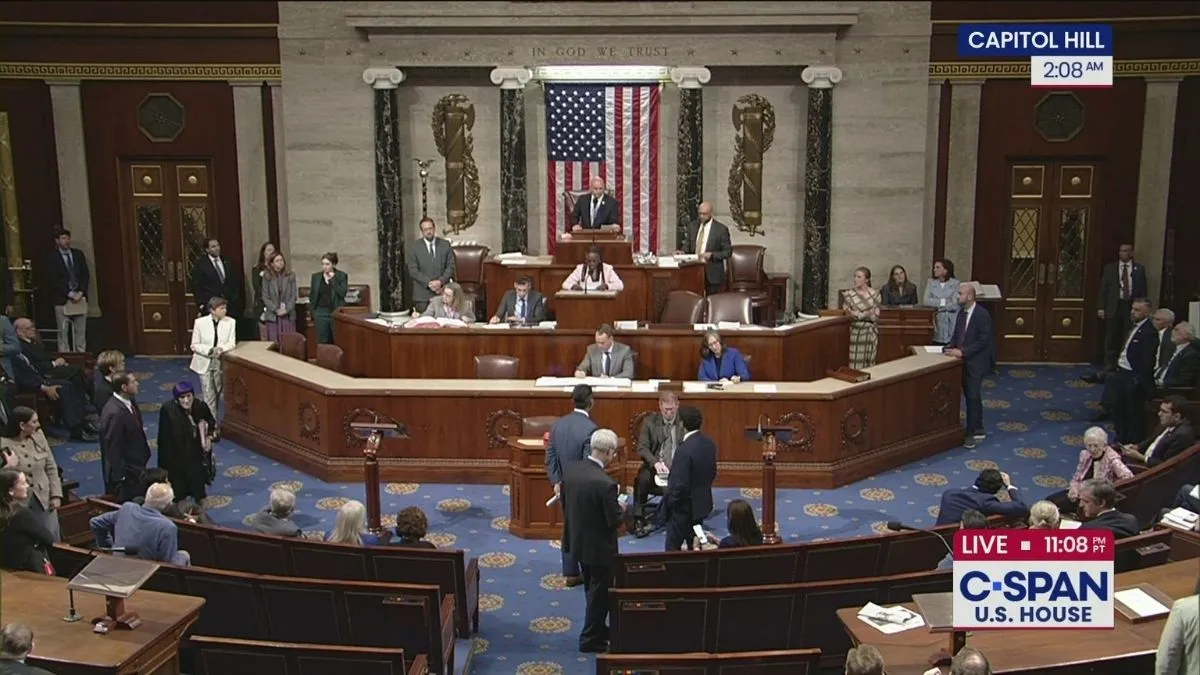
As the deadline for national security authorities loomed, the House of Representatives moved to reauthorize Section 702 of the Foreign Intelligence Surveillance Act. Led by Speaker Mike Johnson, the FISA vote marks a critical moment in the ongoing debate between American civil liberties and federal intelligence requirements.
In a high-stakes legislative maneuver, Speaker Mike Johnson successfully steered a pivotal FISA vote through the House, resulting in the reauthorization of Section 702. This specific provision of the Foreign Intelligence Surveillance Act is often at the heart of heated debates regarding U.S. national security.
For many citizens asking, "What is FISA?" the answer simply lies in its ability to allow the government to intercept communications of non-citizens abroad. However, FISA 702 has faced scrutiny due to backdoor searches involving American data.
According to recent Department of Justice audits, while compliance has improved, the FBI still conducted over 200,000 warrantless searches of U.S. person data in a single recent year, fueling the current bipartisan push for reform.
What is FISA Section 702, and how does it work?
Section 702 of the Foreign Intelligence Surveillance Act (FISA) is a legal authority that lets the government target people who are not U.S. citizens and are thought to be living outside the U.S. Its main goal is to get information about foreign intelligence.
-
It does not target U.S. citizens; however, it often captures communications between foreigners and Americans.
-
This data is stored in a searchable database used by agencies like the NSA, CIA, and FBI.
-
Critics argue that the warrantless nature of searching this database for American identifiers violates Fourth Amendment protections.
| Feature | About FISA Section 702 |
| Primary Target | Non-U.S. persons located outside domestic borders |
| Data Types | Emails, text messages, and phone calls |
| Agency Access | NSA, FBI, CIA, and NCTC |
| Current Status | A two-year extension was passed by the House |
Also Read - Pete Hegseth Names General Christopher LaNeve as New Acting US Army Chief of Staff
Why did Mike Johnson support the latest FISA vote?
Speaker Mike Johnson faced significant pressure from both the intelligence community and the hard-right wing of his party. Initially skeptical of the program’s breadth, Johnson shifted his stance after receiving classified briefings. He argued that the program is essential to preventing terror attacks on U.S. soil.
-
National Security: Johnson emphasized that "Section 702 is a vital tool to stay one step ahead of adversaries."
-
Compromise Reforms: The bill included new procedures to limit the number of FBI personnel who can authorize searches of the database.
-
The Two-Year Sunset: Rather than a five-year extension, Johnson opted for a two-year window, ensuring the next administration has a say in the program's long-term future.
What are the key changes in the new FISA 702 extension?
The latest legislative version includes several reforms intended to appease privacy advocates, though many civil liberty groups argue they do not go far enough.
-
Mandatory audits of every FBI search involving a "U.S. person" query.
-
A 90% reduction in the number of FBI officials permitted to search the 702 database.
-
Explicit prohibitions against using FISA to monitor elected officials or political candidates without specific, high-level approval.
🗞️🗞️🗞️
— Speaker Mike Johnson (@SpeakerJohnson) April 16, 2026
“Here we go again: Congress is voting imminently on whether to reauthorize Section 702 of the Foreign Intelligence Surveillance Act (FISA), which President Trump supports. Without reauthorization, the program would expire on April 20, placing a key anti-terrorism tool in…
The House's recent action makes sure that Section 702 stays an important part of the American intelligence toolkit. Speaker Mike Johnson's leadership made sure that the program would continue for now, but the argument over how to keep people safe and private is far from over. As the bill moves forward, the American people are still most worried about how it will affect digital privacy.