Winter skies and longer nights in January provide great opportunities for skywatching events throughout the month. In addition to the full moon, meteor showers and planets as they shine brightest, January contains many astronomical events for amateur astronomers and enthusiasts alike.
Whether you enjoy watching the moon rise, seeing shooting stars or viewing planets with binoculars, there will be something happening in January's night sky to meet your interest.
Most astronomical events can be viewed without special equipment when you have good timing; therefore, the majority of astronomical events listed in this skywatching guide have been selected based on these criteria, including what each event is, when they happen and how best to view them.
Check Out: Moon Phase Today: Pleiades Full Moon Lights Up New Year’s Eve Night
1.Wolf Moon - January 3
A wolf moon is a full moon that happens for the first time during the winter months and is known by this name due to the howls of wolves that take place during these types of months in our colder parts of the world.
This month's wolf moon will be particularly bright as it occurs at the same time the moon is closest to Earth, making it appear slightly larger and brighter than other full moons that occur throughout the year.
As soon as the sun sets for that date and time of day, the wolf moon will easily be visible with the naked eye and can be seen through out the entire night.
2. Quadrantids Meteor Shower - Peak January 3-4
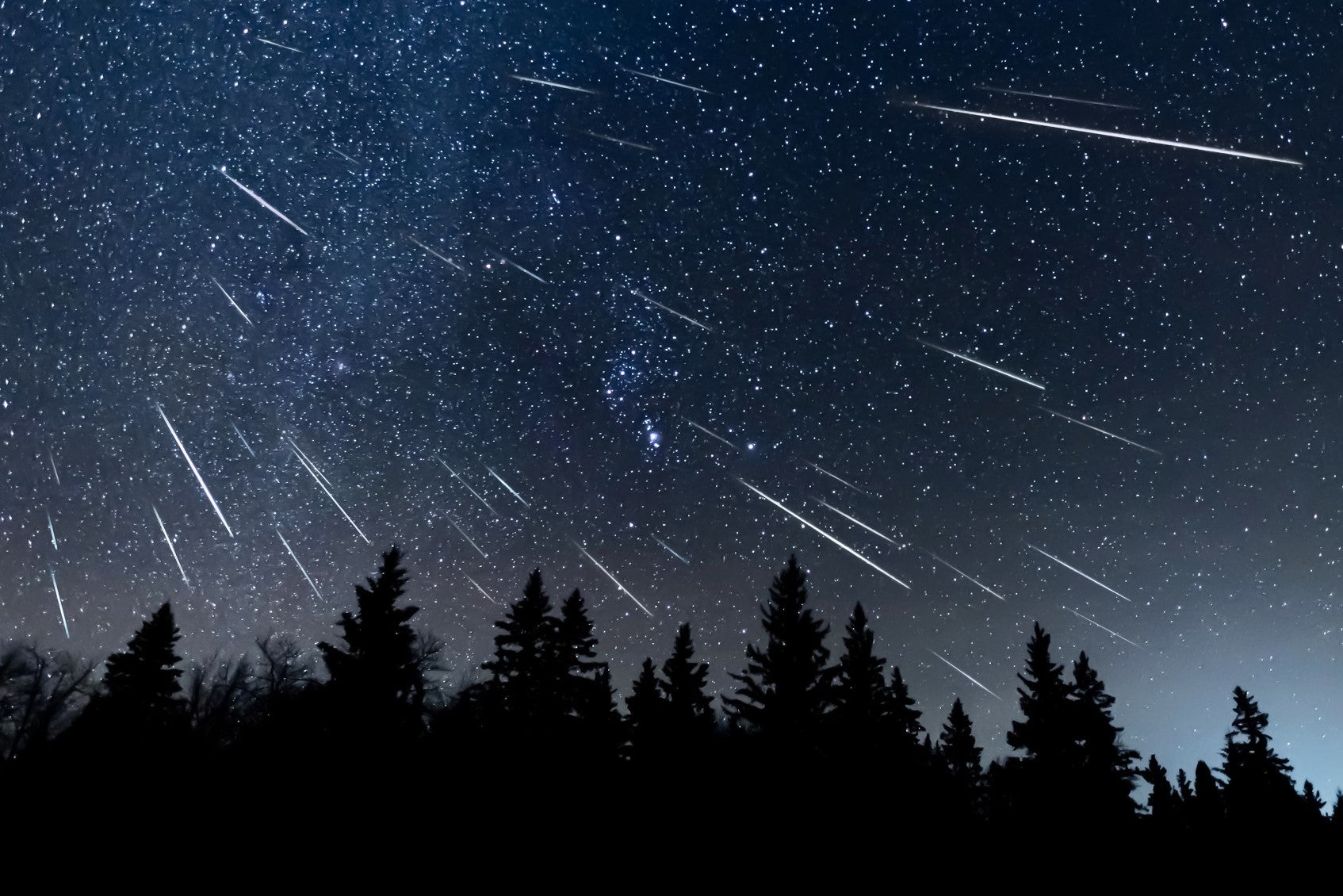
The Quadrantids meteor shower is one of the largest meteor showers of the year, but it only happens for a short period of time. It is active in early January and contains fast moving meteors that will cross the sky from the northern hemisphere to the southern hemisphere.
Those who have good viewing conditions will have the opportunity to see dozens of meteors every hour.
The best place to view the quadrantids is to be located as far away as possible from bright city lights and have a dark sky because both of these will greatly increase how well you will be able to see the quadrantids, especially late at night or early in the morning.
3. Jupiter's Opposition - January 10
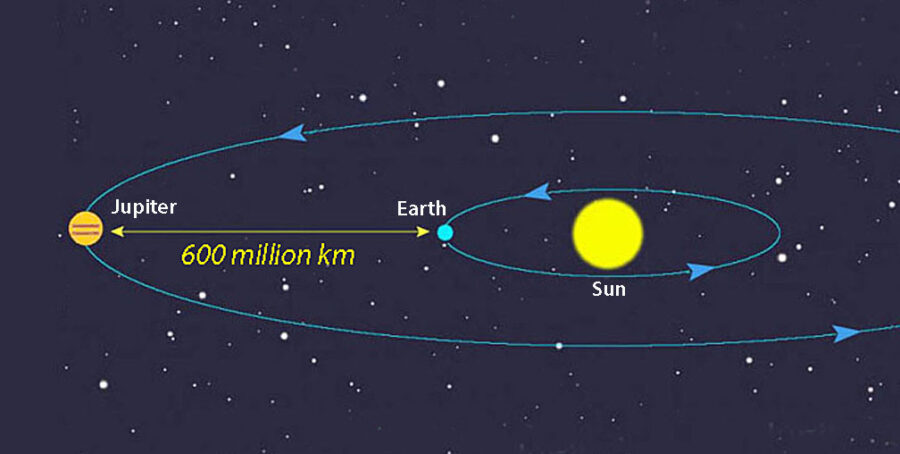
In the month of January, Jupiter has reached its maximum light and size in our sky due to our position between the Sun and Jupiter.
This means that we can see Jupiter directly above us in the night sky all night long.
Even with the unaided eye, Jupiter is very bright, but using binoculars or small telescopes allows us to observe Jupiter's cloud bands and its four biggest moons.
4. January's New Moon - January 13
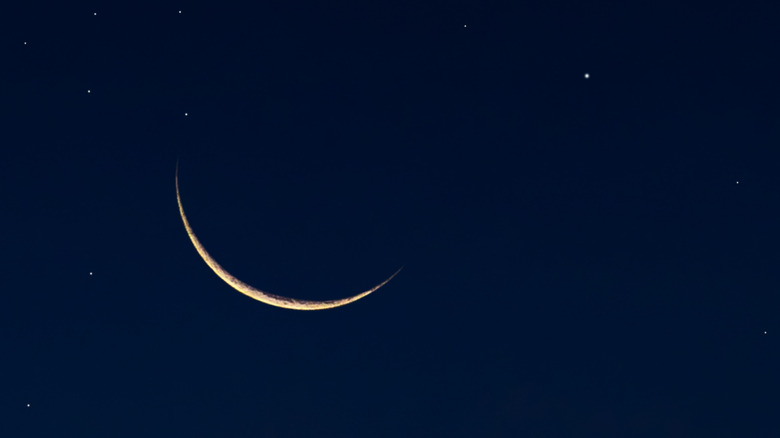
Later on in January, we will experience the new moon phase. During this time, the Moon will be halfway between the Earth and the Sun with its unlit side facing us.
This results in much darker conditions in the night sky.
Because of the absence of moonlight, many of these same conditions are excellent for locating faint objects such as star clusters, galaxies, and nebulae.






Comments
All Comments (0)
Join the conversation