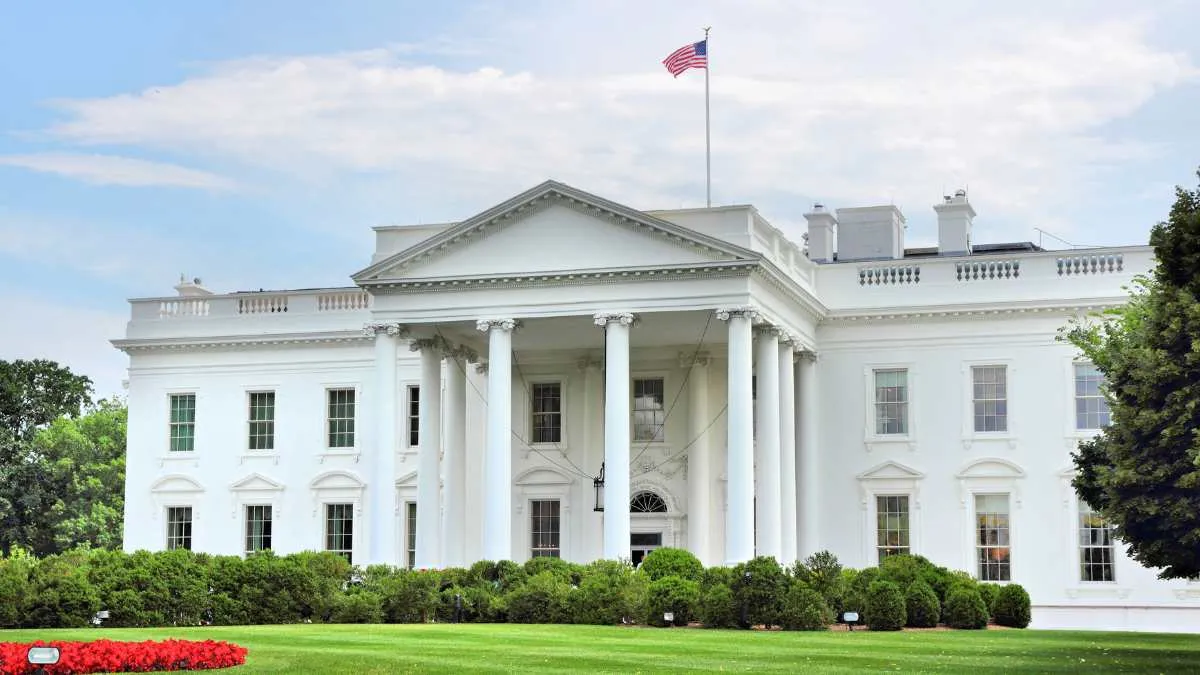
The White House is a widely recognized building worldwide by most people and has been the home and workplace of the US president since it was built. Along with its bright white exterior and neoclassical design, the White House has captured the imagination of historians, tourists and average people alike for over 200 years.
People may understand what role the building plays in US politics but many people do not understand how it ended up with its white exterior, or what it means in terms of the White House's historical background and the symbolism that surrounds it.
Having knowledge of why the White House has a white exterior helps to provide an understanding of the White House beyond that of just architecture and preservation; it provides an understanding of the historical political and cultural aspects of the country.
Check Out: White House: Know Who Made It and Some Fascinating Facts
Why is the White House White?
Protection from Weather
The original builders of The White House needed to cover the White House's original stone with something protective to keep the building's interior from going bad from all the rain and moisture.
Lime Wash Coating
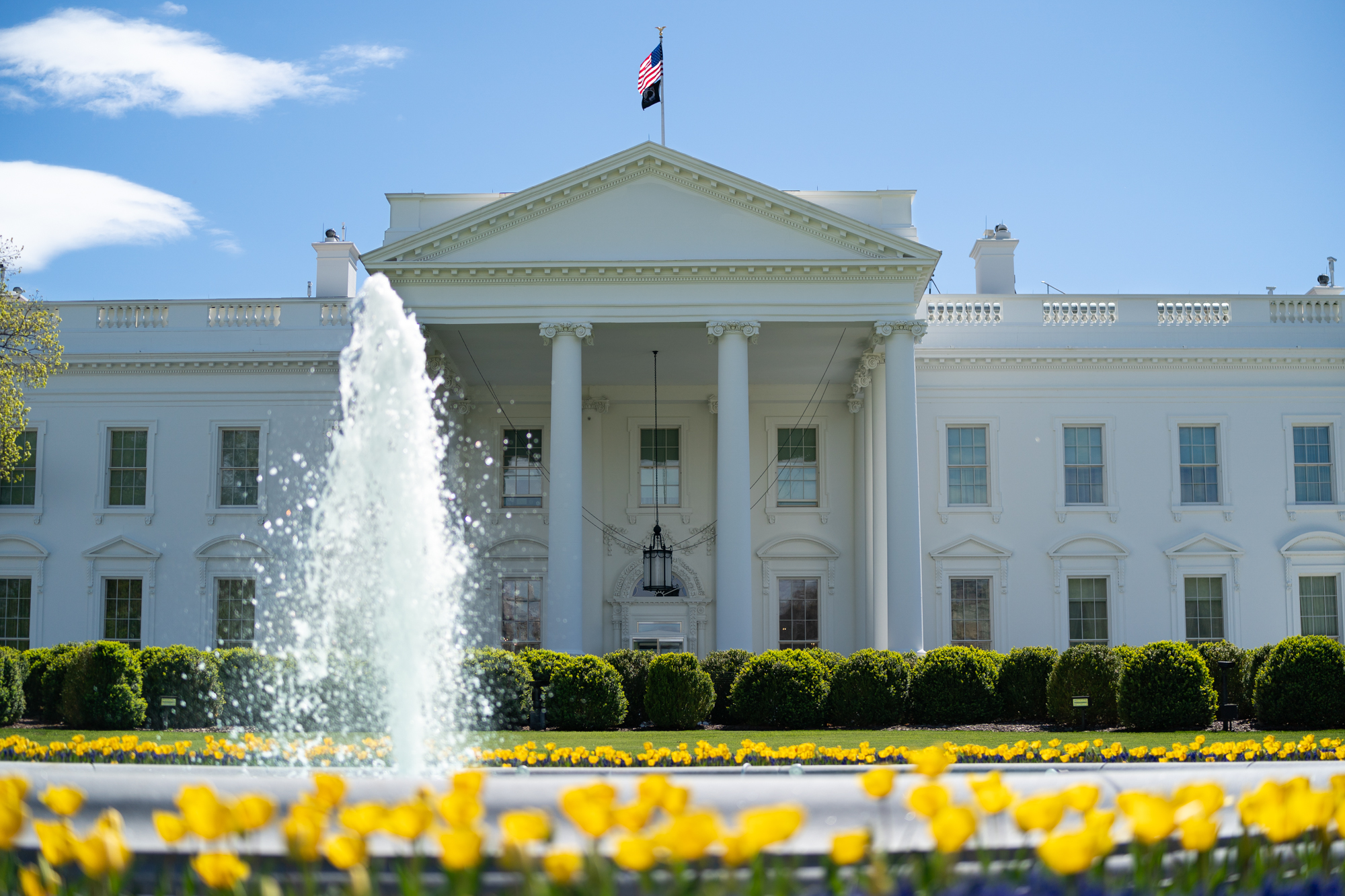
To achieve protection from moisture and seal all tiny cracks in the building, early builders painted The White House with a white lime-based paint, or lime wash.
After the 1814 Fire
Following The White House's burning in 1814 by the British during The War of 1812, the building was rebuilt, and on completion was painted white again.
Symbol of Purity
In time, the color white became universal as a symbol of both dignity and purity.
The color white became part of the look of The White House and, at that time, the color white became an easily distinguishable trait.
The White House was now recognized as being an instantly recognizable building across the globe.
What Was the White House Called Before?
The White House was given several different names before being called by its current title. The official title was 'Presidential Palace' or 'Presidential House' on documents and correspondence when it was finished in 1800. Some people referred to the building as an Executive Mansion.
Over the years, due to the unique white color of the structure, many people started informally calling the facility 'White House'. In 1901, during the presidency of Theodore Roosevelt, Congress established the formal title of 'White House'.
Today, the White House is known throughout the world and represents the President's office and American democracy.
Conclusion
Not only does the White House's striking white colour signify its past, but the building also represents something bigger than itself: a global beacon for the presidency of the United States; it embodies American culture and power.


-1768902178299.jpg)
Comments
All Comments (0)
Join the conversation