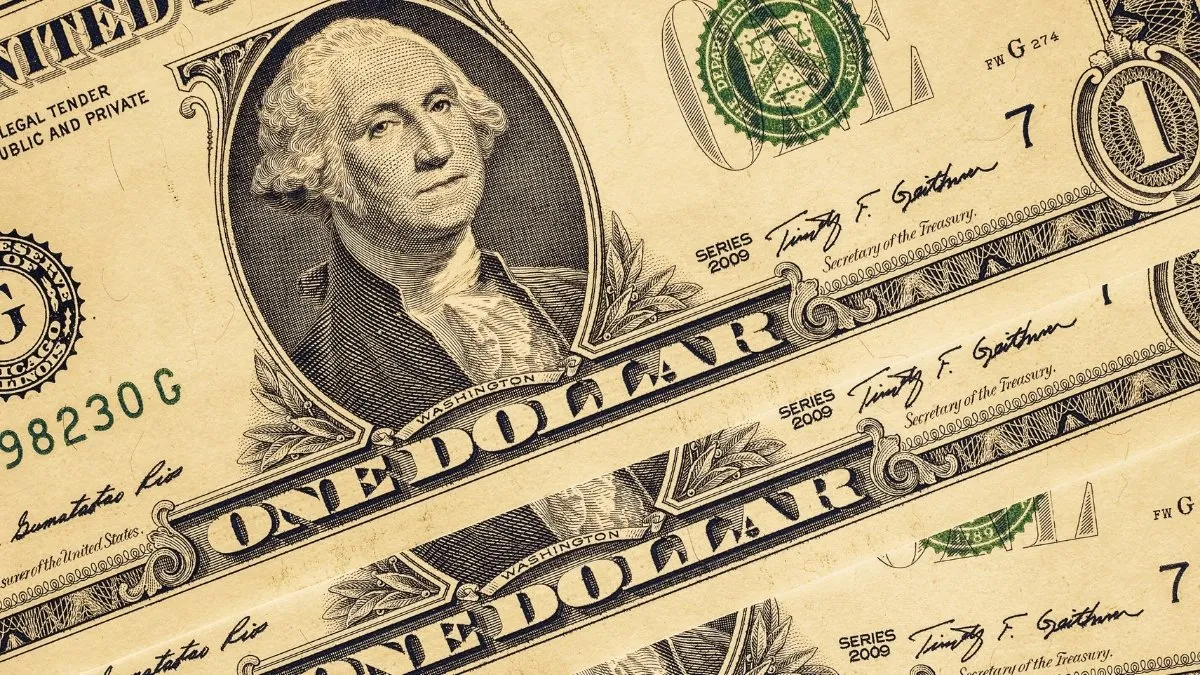
A dollar or U.S. $1 bill is popularly called “buck” in the United States. The reason the dollar is called a "buck" in America is because several decades ago, currency was also measured by deer hides, otherwise known as buckskin.
Buck was a slang term coined in the 1700s when bartering in animal skins was as common as currency today. However, this term stuck even when the U.S. dollar was officially adopted in 1792 by the Coinage Act. According to the Oxford English Dictionary, the word was first used for a dollar in print in 1856, indicating its enduring place in history.
Find out why a dollar is called a buck, the fascinating history of buckskins in frontier trade and how the slang stuck for U.S. currency, origins, global use, and fun facts about money lingo.
Why is a Dollar Called a Buck?
The U.S. dollar has been named buck because, historically in the 18th century, buckskins were considered of high value, and people could trade them for about a dollar. Buckskins are hides from deer. The deer hides were traded for anything that could be considered an equivalent value of a dollar.
Written reference to this slang term can be traced back to a journal entry in 1748 by Conrad Weiser, in which he recounts being offered a cask of whiskey at "5 bucks." Not surprisingly, this language became commonplace when U.S. currency replaced hides in the post-1792 era.
Key evidence includes:
-
Skins from winter-killed deer fetched higher value due to thicker fur.
-
No fixed rate existed; value varied by size, quality, and region.
-
By the mid-1800s, "buck" meant dollars in newspapers and speech.
Read about the U.S. Coins and the People on Your Money.
What is a Buck?
Buck is simply "one U.S. dollar," used informally in American English, related to frontier trading in buckskins. Besides finance, "buck" was originally used to describe a male deer, leading to "buckskin," which referred to the animal's skin.
The language still appears in "twenty bucks" today. The language disappeared with urbanization and coins, but stuck around in casual conversation.
Solve this U.S. Currency Trivia Quiz with Answers here.
Are Americans the Only Ones to Use the Term "Buck"?
No, buck for a dollar seems to be unique to Americans and possibly Canadians because of their shared frontier heritage. English-speaking people like the Brits use quid or pound, and Australian English straightforward say dollars. World slang varies wildly.
-
The UK uses "Fiver" (five pounds), "tenner" (ten pounds).
-
Australians mostly use "Loot" or straight "bucks" rarely.
-
Whereas, Indians "Lakh" for 100,000 rupees, and have not adopted saying bucks via the American culture.
-
"Buck" stays a classic Americanism from colonial trade.
"Buck" pops up everywhere from movies to music, keeping the old trade term alive. Think "Buck Stops Here" from President Truman, meaning final responsibility.
It adds flavor to casual chat: "That cost 50 bucks!" Its staying power shows language evolution from real history.
Know about the United States Mint: What Does it Do?
Conclusion
A U.S. dollar is called a buck because, in the 1700s, buckskins, or deer hides, went as cash on the frontier in America. This casual vocabulary is a marker of the ingenuity and creativity of frontier traders and reflects our connection to the settlers of the day. The next time you refer to bucks, think about the trade in deer hides.



-1770620343822.jpg)
Comments
All Comments (0)
Join the conversation