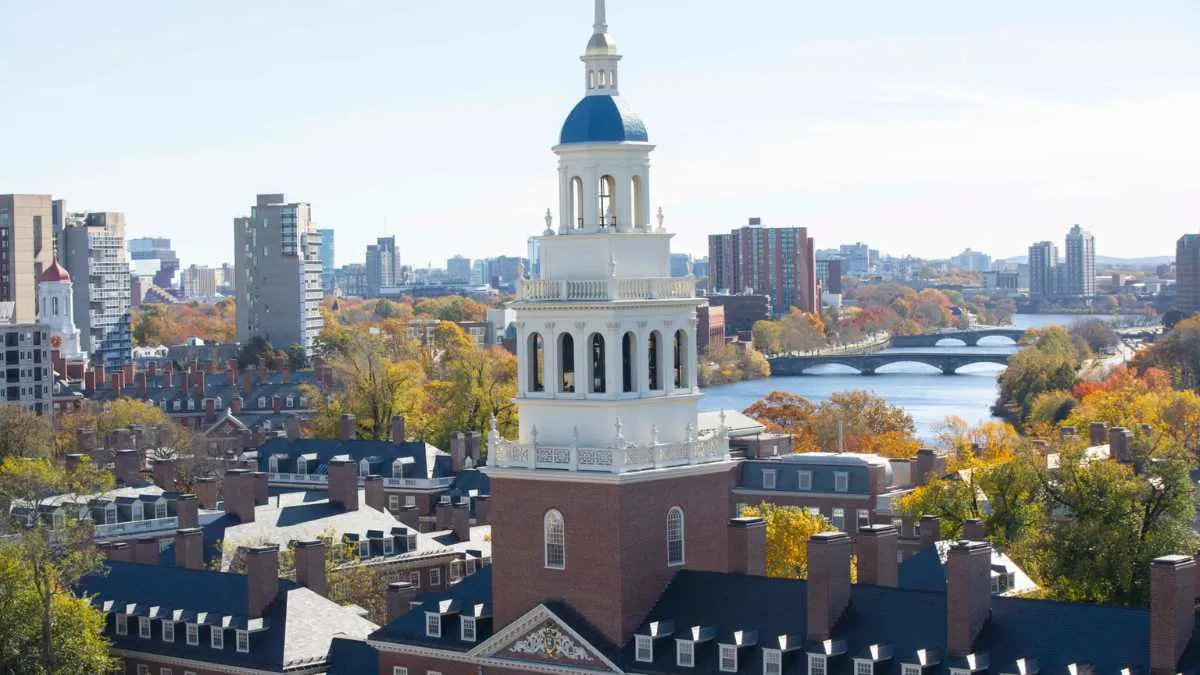
Key Points
- Harvard was established in 1636 by the Massachusetts Bay Colony legislature.
- John Harvard's donation led to the college being named after him in 1639.
- It was founded to train clergy and ensure learned leadership.
Harvard University, established in the 17th century, is renowned as one of America's most prestigious and oldest institutions of higher education.
As a colonial-era school, it has greatly influenced America's academic and intellectual foundations over time and has educated countless presidents, Nobel Prize winners, world leaders and scholars.
But who were the "founders" of this important university? Was it one single person, an organized religious group or colonial legislators?
By studying how Harvard came into being, we can broaden our knowledge of America's earliest educational history, and of the forces that inspired higher educational institutions in North America.
Check Out: Which City has the Largest Subway System in the U.S.?
Who Founded Harvard University?

Source: Wikipedia
Harvard University was established in 1636 as a result of the legislative body of the Massachusetts Bay Colony creating a teaching institute for the purpose of teaching and training people who could be leaders in that community, as it continued to settle and grow.
It was not established by one specific person; instead, it was a result of the collective legislative decisions of the Massachusetts Bay Colony's government.
The institution is named after John Harvard, a Puritan preacher, who donated half of his estate and 400+ books to the institution. After he died in 1638, the college was named after him in 1639 in recognition of this donation.
Why Was Harvard Established?
1. To Train an Educated Clergy
The Puritan leaders of the Massachusetts Bay Colony believed that ministers needed to be well-educated. This belief is what led to the establishment of a college to train young men who would serve the church as religious leaders.
2. Promote Religious and Moral Order
Early settlers desired to maintain a community with a strong religious and moral foundation. Having an educated clergy was critically important to providing leadership within their communities based on religious principles.
3. To Ensure Learned Leadership
Educated leaders for government and administration were also critically important to the colony, and the college educated future leaders from both a religious and a secular perspective.
4. Advance Higher Learning in the New World
Prior to Harvard's founding, there were no other established universities in colonial America. By establishing Harvard, students no longer would need to travel to England to obtain advanced degrees.
5. To Preserve Knowledge and Scholarship
Harvard College was established as a means of creating a center for both knowledge and scholarship through donations such as John Harvard's personal library, which provided additional resources for promoting scholarship, research, and intellectual growth.
Conclusion
Founded in 1636 as part of the Massachusetts Bay Colony, Harvard University has become one of the premier institutions of higher education in the United States and continues to lead in many fields throughout the world.



Comments
All Comments (0)
Join the conversation