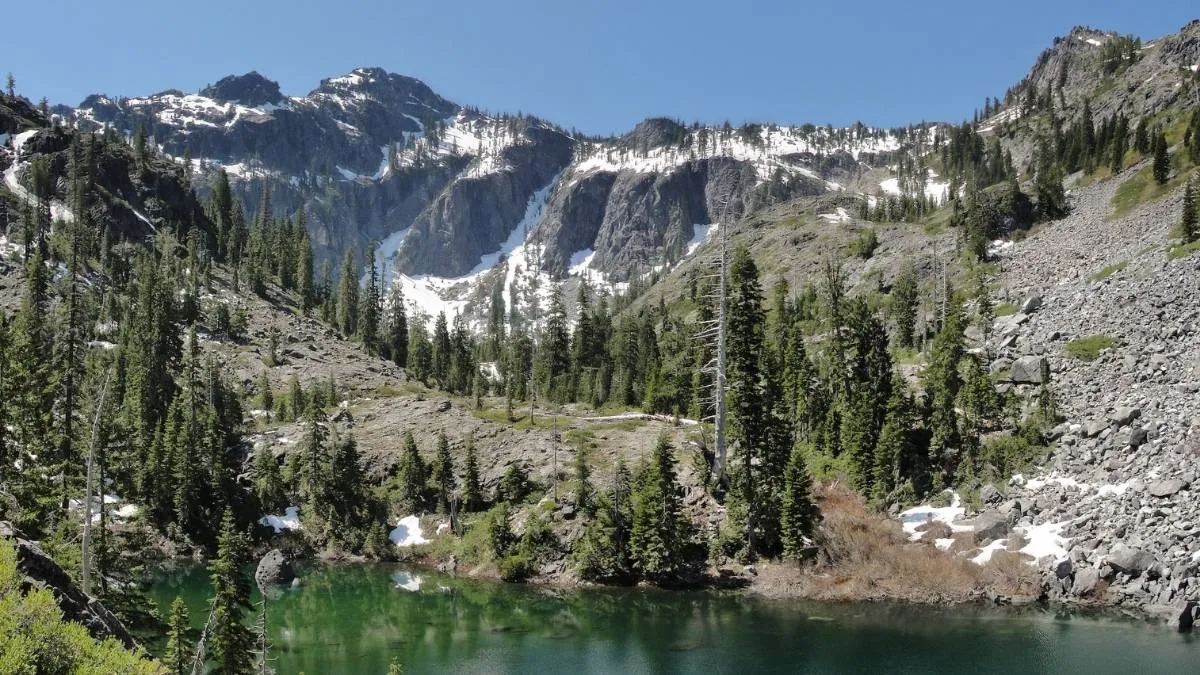
When people think of West Coast peaks, the Sierra Nevada or the Cascades usually get the most attention. But it is tucked between southwestern Oregon and northwestern California.
It lies in a rugged, ancient, and fascinating segment of the Pacific mountain system, which is called the Klamath Mountains.
It spans about 250 miles, and this range is a wild mosaic of deep canyons, jagged subranges, and lush forests.
Whether you are a geography buff or a nature lover, in this article, you will be learning about the unique corner of the United States.
Where exactly are the Klamath Mountains located?
The range kicks off at the foothills of Oregon’s Willamette Valley and stretches south all the way to the edge of California’s Central Valley.
It is a massive area, largely protected within national forests and conservation zones. If you are looking for the "king" of these peaks, that would be Mount Eddy in California, which soars to an impressive 9,038 feet.
What makes the Landscape so Special?
The geography here isn't just about height; it’s about water and stone.
-
Deep Gorges: The mountains are "dissected" (carved out) by powerful rivers like the Rogue and the Sacramento.
-
The Oregon Caves National Monument: Hidden within the range, these "marble halls" feature stunning flowstones and subterranean beauty.
-
Biodiversity: Because the area escaped the heavy glaciation of the last Ice Age, it serves as a "refuge" for rare plants and endangered species.
Check Out: List of 7 Most Popular U.S. Governors
Why are the Klamath River Dams Being Removed?
The Klamath River flows for 250 miles from Oregon to the Pacific Ocean. For over a century, six hydroelectric dams blocked its path, causing Chinook salmon populations to collapse.
However, we are currently witnessing a historic shift, and it is led by the efforts of the Yurok Tribe and other local indigenous groups.
Four of these dams were removed between 2023 and 2024. It is the largest dam removal project in US history, which is aimed at restoring the river’s natural flow and bringing the salmon back home.
How Did the Klamath River Dams Affect Chinook Salmon Populations?
The mountains take their name from the Klamath people. Historically, the region was home to the Klamath and Modoc tribes.
-
They were expert fishers and hunters who were living in earth-covered lodges during the snowy winters.
-
The 19th century was difficult for these tribes, that led to the Modoc War of 1872–73.
-
Despite losing their reservation lands during the "termination" era of the 1950s, they regained federal recognition in 1986 and remain vital to the region's culture today.
What happens in the Klamath Mountains today?
Today, the region is a hub for both work and play. The local economy thrives on:
-
Tourism & Recreation: Hiking, world-class fishing, and hunting.
-
Agriculture: Fruit growing and dairying in the fertile valleys.
-
Conservation: Protecting the unique wildlife and old-growth forests that make this range a "hot spot" for biodiversity.
Check Out: What was Hawaii Before It Was a State?
To conclude, the Klamath Mountains are a reminder that some of the most beautiful places are those where history, nature, and modern restoration meet.


-1770031153186.jpg)
-1770028162643.jpg)
Comments
All Comments (0)
Join the conversation