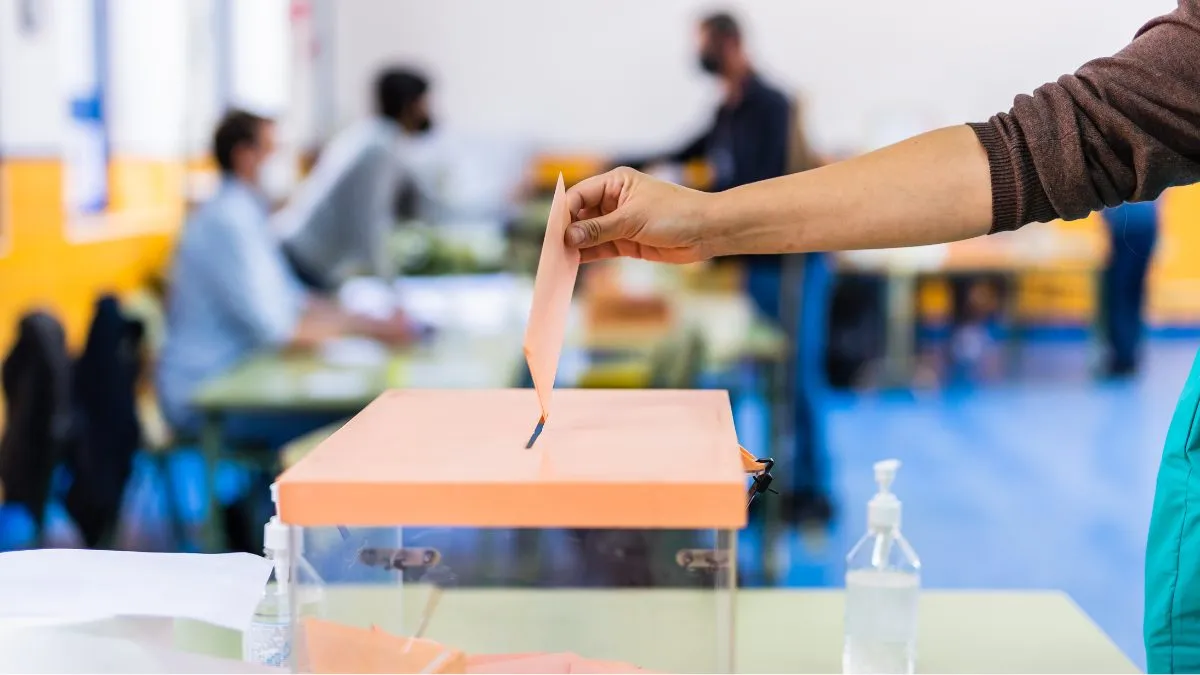
In the U.S. democracy, the elections are critical because it is where citizens elect their representatives at all levels. There are numerous types of elections that citizens must be aware of, but two of the most critical types of elections are primary and general elections. Primary elections enables a political party to determine who their official candidate will be.
The function of a general election, however, is to provide the electorate with the opportunity to determine who will occupy a public office. Understanding the differences between these two types of elections will help a voter to participate effectively, to make an informed decision, and help citizens understand the process by which U.S. leaders are elected through their democratic system.
What Is a Primary Election?
In the United States, primary elections are held prior to the general election to allow each political party to select a candidate to run in that year’s general election. Voting for a candidate for an office like president, senator, or governor occurs in the primary.
Primaries can either be open, meaning registered voters can choose which party to vote for, or closed, meaning only registered party members can vote.
The winner of a primary becomes the party's official candidate on the general election ballot, which allows all voters the opportunity to cast a vote for the office.
What is a General Election?
The general election represents a key opportunity for American citizens to decide which candidates will receive the various levels of government positions available.
Citizens have the opportunity to vote in these elections after they have been able to select their candidates through the primary election process. Citizens vote for candidate from any party and citizens who do not belong to any party also have the right to participate in the general elections as well.
All voters are eligible to vote during this election process. The candidate receiving the most votes will occupy the position of that Office, Candidate, or Agency.
There are specific dates on which this election takes place, usually on a pre-scheduled date. The date for the federal elections for president and members of Congress is set for the Tuesday after the first Monday in November in even number years.
Key Differences between Primary and General Elections
1. Purpose of the Election
The objective of a primary election is to select an official candidate to represent each political party in the general election. It also serves to reduce the number of candidates within a single party to one person representing that party on the ballot when the general election occurs.
Conversely, A general election serves as the final step where all voters can cast their vote for one of the nominees from each party and Independent nominees for a desired elected position.
2. Who Can Vote
Voting eligibility for primary elections are different in each state. Some states have closed primaries, where only registered members of that particular political party can vote on which candidate they will support.
Other states allow voting in their primaries by any registered voter, regardless of party affiliation. Whereas, there are no restrictions on who can vote in the general election, as long as they are a registered voter, regardless of party affiliation.
3. Candidates and Competition
During the primary election process, candidates belonging to the same political party run against each other. For example, candidates representing the Democratic Party may run against each other to win the opportunity to represent the Democratic Party as the presidential candidate or Senatorial candidate.
The winning candidate from the primary election proceeds to compete against candidates from different parties during the general election.
4. Timing and Frequency
Presidential primaries are held up to five months before the general election. In many states these elections are spread out over a three-month period starting as early as February of the year of the general election.
However, each state holds its presidential primary election on a designated date. On the other hand, the date of the general election is set by law for federal (both state and local) officials namely, on the first Tuesday after the first Monday in November in even-numbered years.
5.Impact and Outcome
A primary election decides which candidate will be the party's nominee for the general election; however, it does not determine who will actually be in office.
The general election ultimately determines who will hold a seat in any given government office and has the most substantial impact on government.




Comments
All Comments (0)
Join the conversation