Key Points
- Rajasthan, India's largest state, is known as the "Land of Kings."
- The Aravalli Range in Rajasthan is over 1.8 billion years old.
- Ashoka the Great, who ruled in the 3rd century BCE, is considered India's greatest king.
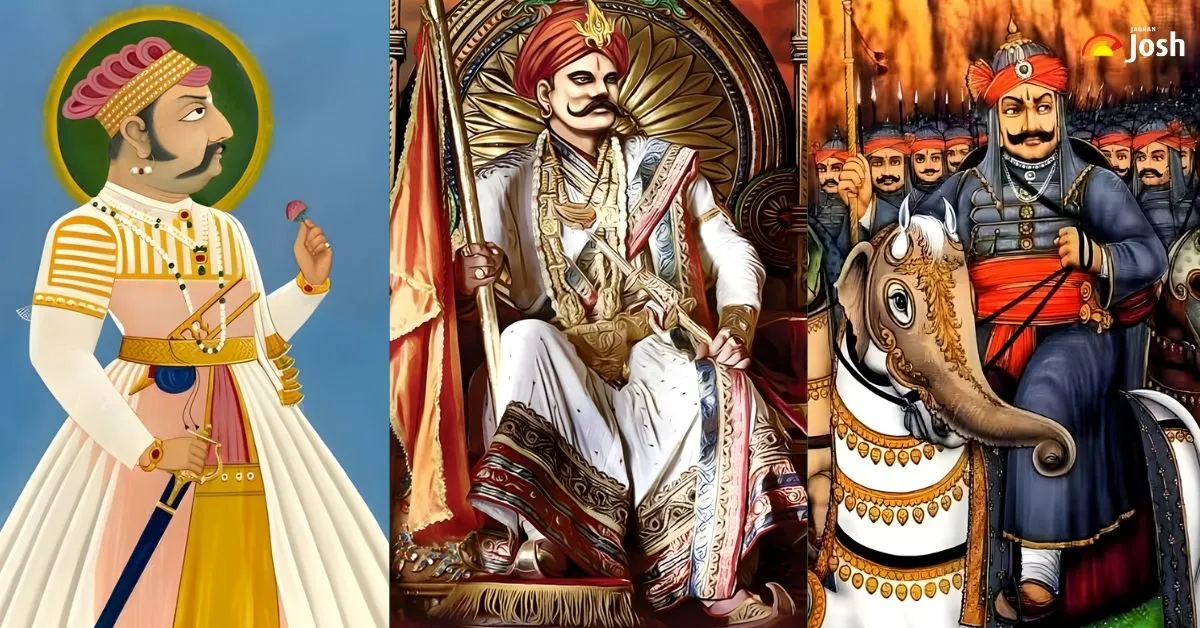
Land of Kings: The Indian subcontinent is quite a diverse country, with 8 union territories and 28 states. Every state has a distinct language, culture, and history. Out of the 28 states, Rajasthan stands out as the largest state in area, covering a sizable portion of the west. On the other hand, Goa, a captivating coastal state, is the smallest in the nation. Among all these, one is popularly referred to as the Land of Kings. This state is known for its beautiful hilltop forts and royal palaces, and it also features the large Thar Desert. Could you point out the one? In this article, we will explore the history, vibrant culture, and royal heritage of this iconic destination.
ALSO READ| Which King Was Called the Sun King?
Which State Is Known As The Land Of Kings?
Rajasthan is referred to as the "Land of Kings". It is located in India's northwest region. The state has internal borders with five other Indian states and an external border with Pakistan.
Do you know what the name of this state means? The word ‘Rajasthan’ comes from the Sanskrit words "Raja", meaning King, and "Sthan", meaning Land.
Combining these names gives us "Rajasthan", which means "The Abode of the Rajas" or Kings. It earned this title because many powerful dynasties, especially the Rajputs, ruled the area for centuries.
Rajasthan is geographically a land of contrasts. It contains the Thar Desert, the 17th-largest in the world, and also the historic Aravalli Range, which is counted as among the oldest mountain ranges on Earth. It also includes the famous Golden Triangle tourist route, which is Jaipur, its capital.
YOU MIGHT LIKE| Which King Ruled the Longest in India?
10+ Lesser-known Facts about Rajasthan

- The Aravalli Range in Rajasthan is a "relict" mountain range. It formed nearly 1.8 billion years ago, which makes it older than the Himalayas.
- Most of Rajasthan sits on the ancient geological foundation known as the Indian Shield. This places it in Seismic Zones II and III. As a result, Rajasthan is more stable than other parts of Northern India.
- Jaipur is known as the "Pink City" because of the Terracotta Pink limewash used in 1876. This pigment was selected for its durability and its ability to reflect sunlight, which helps keep buildings cooler.
- The state bird, the Great Indian Bustard, is among the heaviest flying birds in the world. It serves as an important indicator of the grassland ecosystem's health.
- The Akal Wood Fossil Park near Jaisalmer has petrified wood logs that date back 180 million years to the Jurassic Period. This shows that the desert was once a rich forest.

- Sambhar Lake is India's largest inland salt lake. Its salinity comes from the evaporation of runoff water in a closed endorheic basin. This lake produces nearly 9% of India’s salt.
- The Luni River is unique because it is endorheic; it does not flow into an ocean but drains into the Rann of Kutch, and its water turns from fresh to salty after passing Balotra due to high salt content in the soil.
- The Tropic of Cancer (23.5°N) passes through the southernmost tip of Rajasthan, specifically through the Banswara and Dungarpur districts.
- Ancient Rajasthanis developed Stepwells (Baoris) and Taankas, which are sophisticated examples of traditional rainwater harvesting designed to minimise evaporation in arid climates.
- Rajasthan is the only producer of zinc and lead in India. It also has the largest reserves of copper and rock phosphate, which are important for the fertiliser and electronics industries.
- The white marble of Udaipur's Lake Palace and the yellow sandstone of Jaisalmer are not just for beauty; these materials have high albedo, reflecting solar radiation to maintain thermal comfort inside.
IN CASE YOU'RE INTERESTED| GK Quiz Questions and Answers on Kings in World History
Who Is The Greatest King Of India?

Many famous monarchs abound throughout Indian history, yet the best is often considered to be Ashoka the Great of the Maurya Dynasty. Ruling in the third century BCE, he united practically the whole subcontinent. Particularly noted for renouncing violence after the Kalinga War and for embracing Buddhism and peace.
WHAT'S NEXT| Who Was the First King to Have a Standing Army?



-1767891137509.jpg)
-1767882938552.png)
Comments
All Comments (0)
Join the conversation