Key Points
- Rani Mahal, built in 1893, is located in Nepal's Palpa district.
- It was built by General Khadga Shamsher in memory of his wife, Tej Kumari Devi.
- Also known as the Taj Mahal of Nepal, it now serves as a museum.
Have you ever thought about why some buildings remain well-known for hundreds of years? Around the world, famous monuments like the Eiffel Tower and the Statue of Liberty amaze millions of people.
In India, the Taj Mahal is a world-famous wonder made of white marble. It was built by an emperor for his beloved queen. Many of these grand structures are hundreds of years old and hold amazing secrets.
But do you know which monument is called the 'Taj Mahal of Nepal'? In this article, we will explore the history and beauty of this hidden gem.
ALSO READ| Which is the Largest Monument in the World?
Which Place Is Known As The Taj Mahal Of Nepal?
Source: Kelsie DiPerna
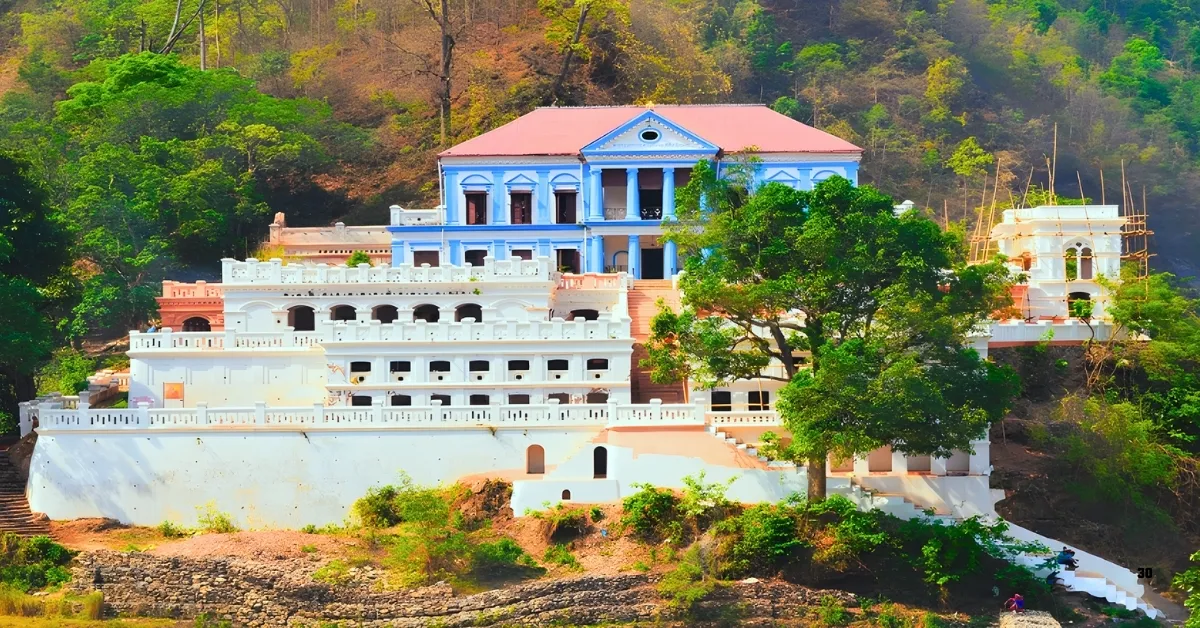
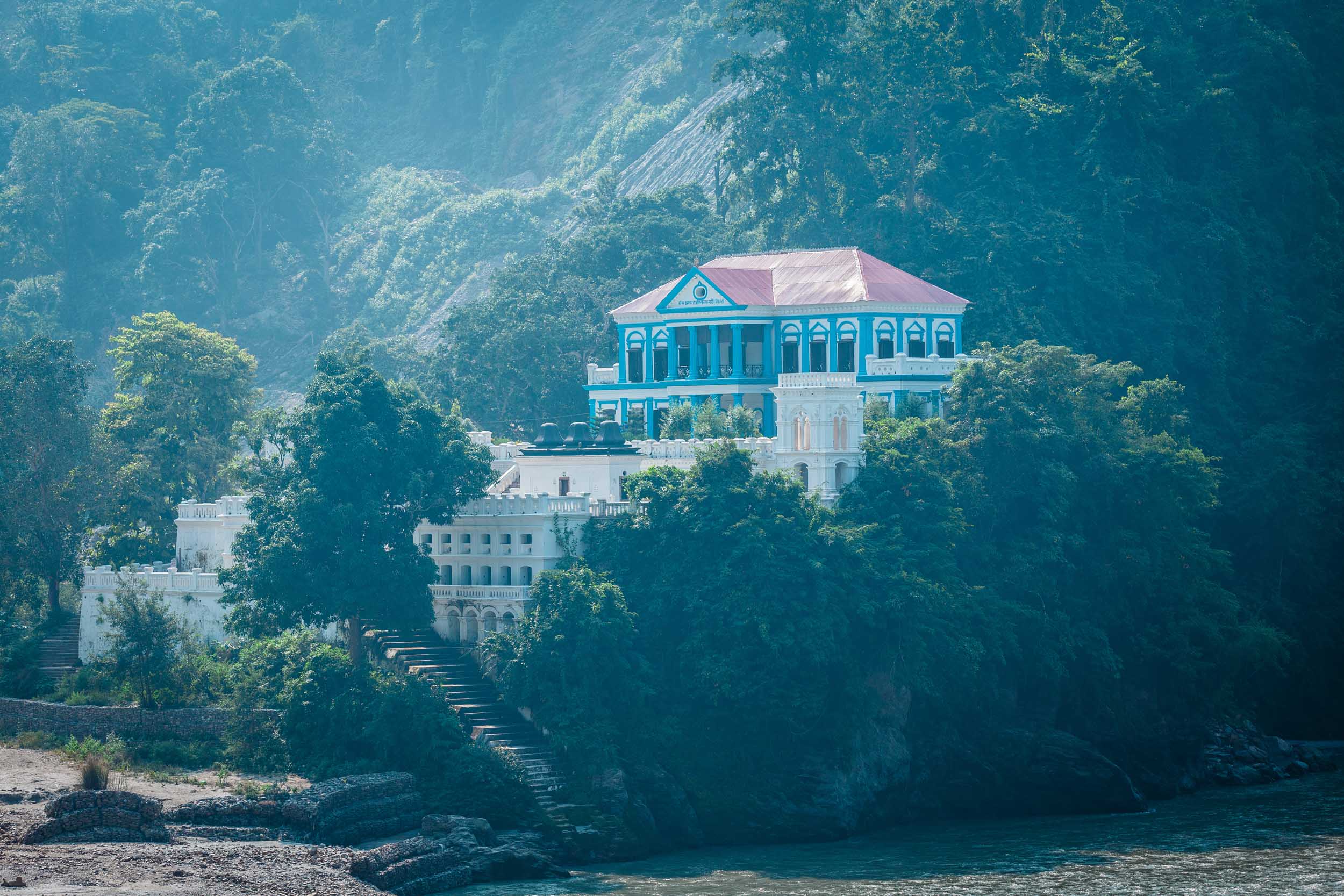
The monument, known as the Taj Mahal of Nepal, is the Rani Mahal (Queen's Palace). It is located in the Palpa district along the sacred Kali Gandaki River. General Khadga Shamsher Jang Bahadur Rana built it in 1893.
It earned its nickname because, like the original Taj Mahal, it was built as a grand tribute to a beloved wife, Tej Kumari Devi, who died a year before construction started. Today, no one lives in the palace. It serves as a museum and a well-known historical site.
7 Lesser-Known Facts About Rani Mahal
- The palace is built on a single, massive natural rock outcrop (monolith). This helps it withstand the strong currents of the Kali Gandaki River during monsoon floods.
- Despite being over 130 years old, the structure uses a traditional brick and mortar system, often lime-based, that offers flexibility. This helps it withstand Nepal's regular seismic activities.
- The Agri community, a skilled group of miners, laid the foundation. They are known for their ancient knowledge of cutting rock and breaking stone without using modern explosives.
- The thick walls (2 to 3 feet) and high ceilings were built to naturally control the temperature. They keep the palace cool in the summer and warm in the winter without any artificial heating.
- Unlike most palaces built in city centres, Rani Mahal was built in a deep river gorge to ensure the General's mourning and prayers remained private and undisturbed.
- It is a rare example of the mix of Indo-Saracenic and Neoclassical styles. It combines British colonial design with local Nepali craftsmanship.
- The palace stairs lead directly to the Rani Ghat, which is located where the river flows north (Uttarabahini).
MUST READ| List of Top 7 Kings Who Built Famous Monuments in India
Where Is Rani Mahal Located In Nepal?
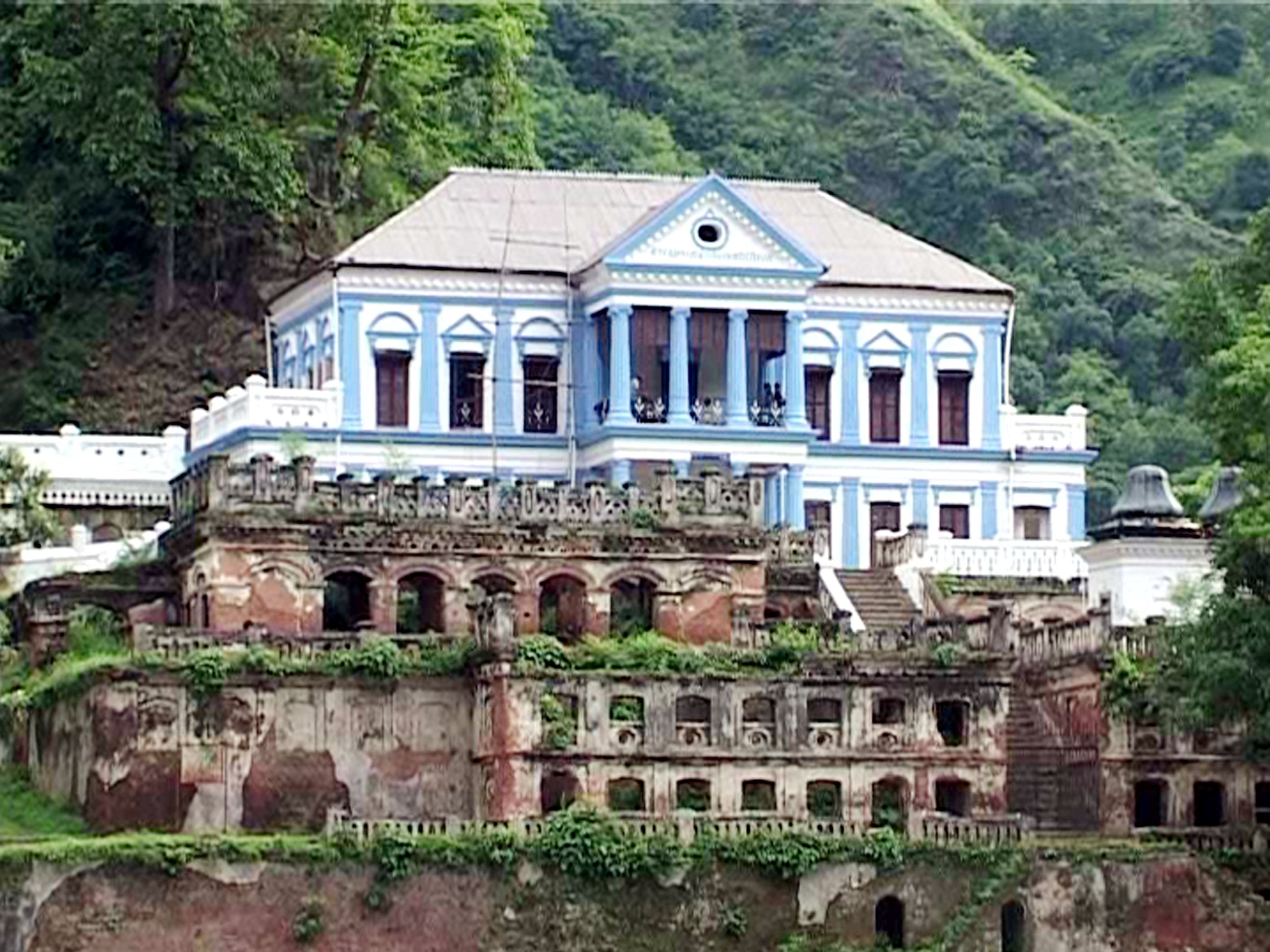
Rani Mahal is located in the Palpa District of western Nepal. It sits on a large rock at the meeting point of the Kali Gandaki River and the Ranighat gorge.
General Khadga Shamsher Jang Bahadur Rana built it in 1893. It is known as the "Taj Mahal of Nepal" because it was created in memory of his youngest wife, Tej Kumari Devi, after her early death.
IN CASE YOU MISSED| Which is the Oldest Monument in the World? Check Here
Which Is Called The Mini Taj Mahal?
The Tomb of I'timad-ud-Daulah in Agra, India, is often referred to as the Mini Taj Mahal, or Baby Taj. Empress Nur Jahan built it for her father between 1622 and 1628.
This tomb was the first Mughal building made completely of white marble. It was also the first to use pietra dura, which includes floral stone inlays.
Which Monument Is Known As The Taj Of The Deccan?
Bibi Ka Maqbara, located in Chhatrapati Sambhajinagar, formerly known as Aurangabad, Maharashtra, is often called the 'Taj of the Deccan' or 'Dakkhani Taj'.
Prince Azam Shah, the son of Emperor Aurangzeb, commissioned it in 1660 to honour his mother, Dilras Banu Begum.
The design came from Ata-ullah, the son of the main architect of the Taj Mahal, who aimed to replicate the original beauty of the Taj Mahal.
WHAT'S NEXT| Top 10 Historical Monuments in India



Comments
All Comments (0)
Join the conversation