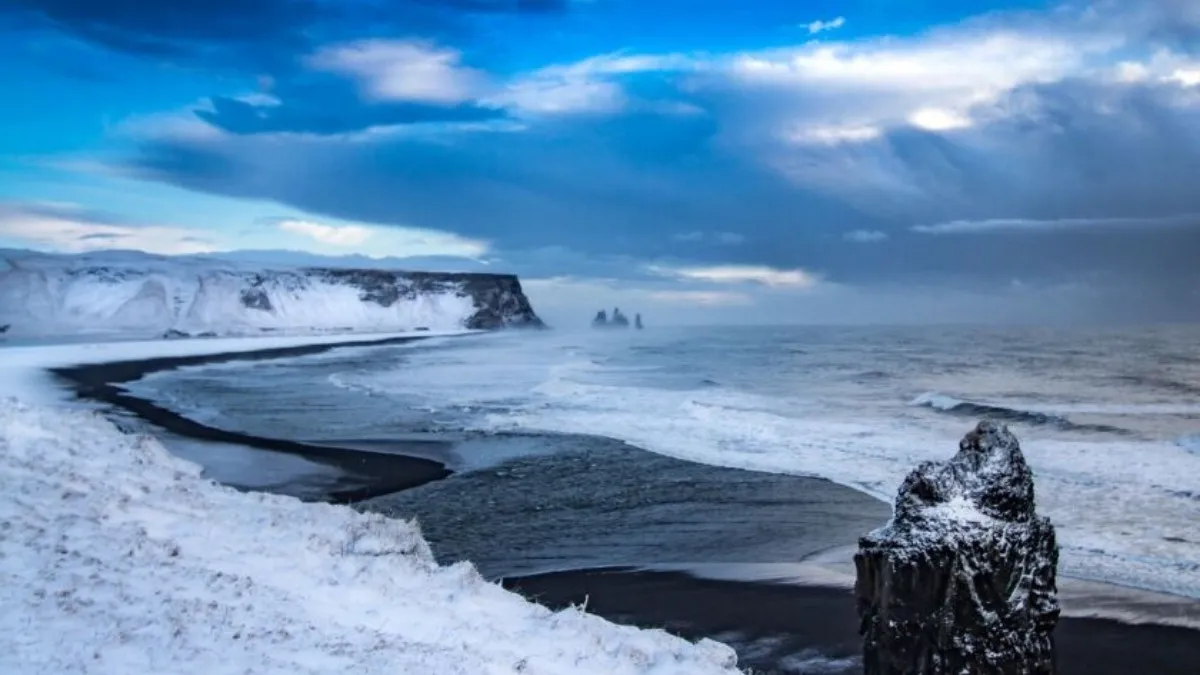
When people think of beaches, they wonder about summer filled with sunshine, warm water, and busy shorelines. However, have you ever heard of a winter beach?
Usually, beaches exist year-round and undergo significant transformations during colder months. And a winter beach refers to a coastline during winter or the off-season. It is influenced by larger waves, storms, and less human activity.” These seasonal variations help to understand the natural processes of beaches. In this piece, we discussed their significance in ecology, the definition of a winter beach and a summer beach, and their snow, and more.
What is a Winter Beach?
A winter beach refers to a coastline that exists along beaches during winter. This is a period when weather patterns, wave action, and tides cause changes on a coastline. A winter beach is different from a summer beach in that a winter beach is affected by strong storms and powerful waves that carry a large amount of sand out to sea.
Winter beaches are quieter, more rugged, and scientifically important, offering insight into coastal processes that are often hidden during summer.
Why are Winter Beaches Important for Coastal Ecosystems?
Winter beaches play a crucial role in the coastal system. The movement of sand along the beach during the winter keeps the dunes intact and provides habitat for marine life. The information about winter beaches helps scientists understand how to protect the coastline.
Also Read list of famous winter festivals around the world!
How Do Scientists Study Winter Beaches?
Scientists monitor winter beaches using:
-
Satellite imagery
-
Wave and tide measurements
-
Long-term erosion studies
These observations aid in forecasting coastal changes. In addition, the winter beach formations create beautiful scenes that are better in ice formations, with the least human presence.
How Does a Winter Beach Differ From a Summer Beach?
Winter and summer beaches can appear dramatically different. During summer, gentle waves push sand toward the shore, creating wide, sandy beaches with well-formed berms and vegetated dunes. In winter, stronger waves pull sand away from the shoreline, resulting in:
-
Narrower beaches
-
Lower sand levels
-
Exposed rocks, shells, or tidal pools
These changes are temporary and part of a natural seasonal cycle.
Check Out: How Many Cold Waves Alerts are there in India?
Why Do Beaches Change in Winter?
Beaches change in winter due to increased wave energy and frequent storms. Winter waves strike the shore with more force, moving sand offshore to underwater sandbars. This process helps protect the coast by absorbing storm energy and reducing inland damage.
Seasonal beach change is a sign of a healthy, dynamic coastal system—not erosion caused by human failure.
Are Winter Beaches Natural or Damaged?
Winter beaches are natural, not damaged. Even if they appear eroded, it's a natural process of adjustment for the coast. If the sand migrates off the coast in winter, it comes back with summer currents and restores the beach. It's because of this natural process that coastal scientists can monitor beach stability.
Which Beaches Have Snow in Winter?
Some beaches experience snowfall during winter, creating striking icy landscapes. Snow-covered beaches can be found in:
-
Hokkaido, Japan
-
The Baltic Sea coastline
-
Northern Canada and Alaska
These beaches combine frozen sand, ice formations, and ocean waves, offering rare and dramatic scenery.
What are the Best Cold-Climate Winter Beaches?
Cold-climate winter beaches are ideal for travellers seeking dramatic landscapes rather than warm weather. Popular destinations include:
-
Northern Japan
-
Scandinavia’s Baltic coast
-
Northern New England and Canada
These beaches are known for rugged beauty, wildlife sightings, and seasonal photography opportunities.
What are the Best Warm Beaches to Visit in Winter?
Not all winter beaches are cold. Many travellers choose warm destinations to escape winter weather. Popular warm winter beaches include:
-
Pink Sands Beach, Bahamas
-
Grace Bay Beach, Turks & Caicos
-
Key Largo, Florida
-
Isla Holbox, Mexico
Visiting these beaches in winter often means pleasant temperatures and fewer crowds.
When is the Best Time to Visit a Winter Beach?
The best time depends on your goal:
-
Early winter: strong waves and dynamic landscapes
-
Mid-winter: snow-covered or storm-shaped beaches
-
Late winter: quieter conditions before spring recovery
Each phase offers a unique perspective on coastal change.
You may also like to read: What is the chemical name and formula for laughing gas?
To conclude, winter beaches reveal the true nature of coastlines, which is about being dynamic, powerful, and constantly evolving. They offer natural beauty and peaceful experiences that differ greatly from summer visits. Whether you seek scientific insight, quiet reflection, or dramatic scenery, winter beaches provide a deeper appreciation of the natural world.






Comments
All Comments (0)
Join the conversation