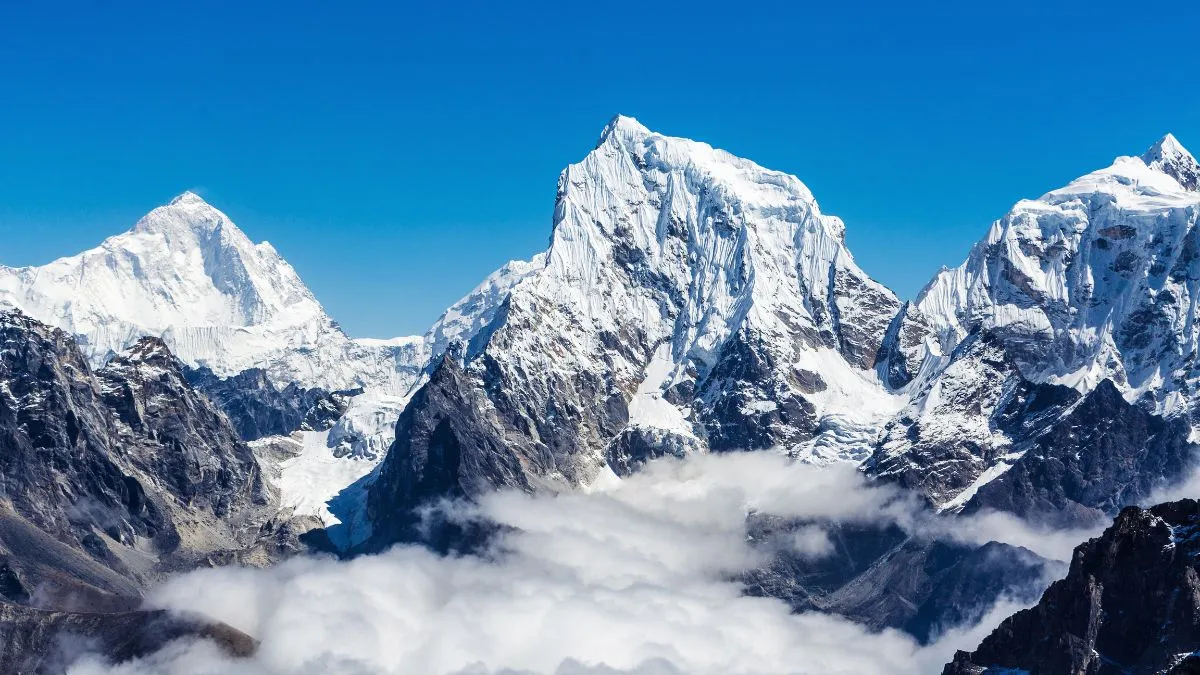
Majestic Peak of Asia: Mount Everest is known as the Majestic Peak of Asia because it is the highest mountain on the Asian continent and the tallest peak in the world. Rising far above all surrounding mountains, its snow-covered summit, massive height and commanding presence give it a majestic character that symbolises the power and grandeur of Asia’s natural landscape.
Why Is Mount Everest Called the Majestic Peak of Asia?
Mount Everest is known as the Majestic Peak of Asia because it is the highest point on Earth, rising 8,848.86 metres above sea level. Its towering height, permanent ice cap, dramatic ridges and visibility from afar make it an impressive mountain. No other peak in Asia can match its size, dominance, and global recognition.
Origin of the Title Majestic Peak of Asia
Mount Everest was named the Majestic Peak of Asia due to its unique geographical location and reputation among explorers, geographers and mountaineers. Everest, the highest mountain in the Himalayas and the world was appropriately described as majestic due to its massive size, natural beauty and symbolic significance in Asian geography.
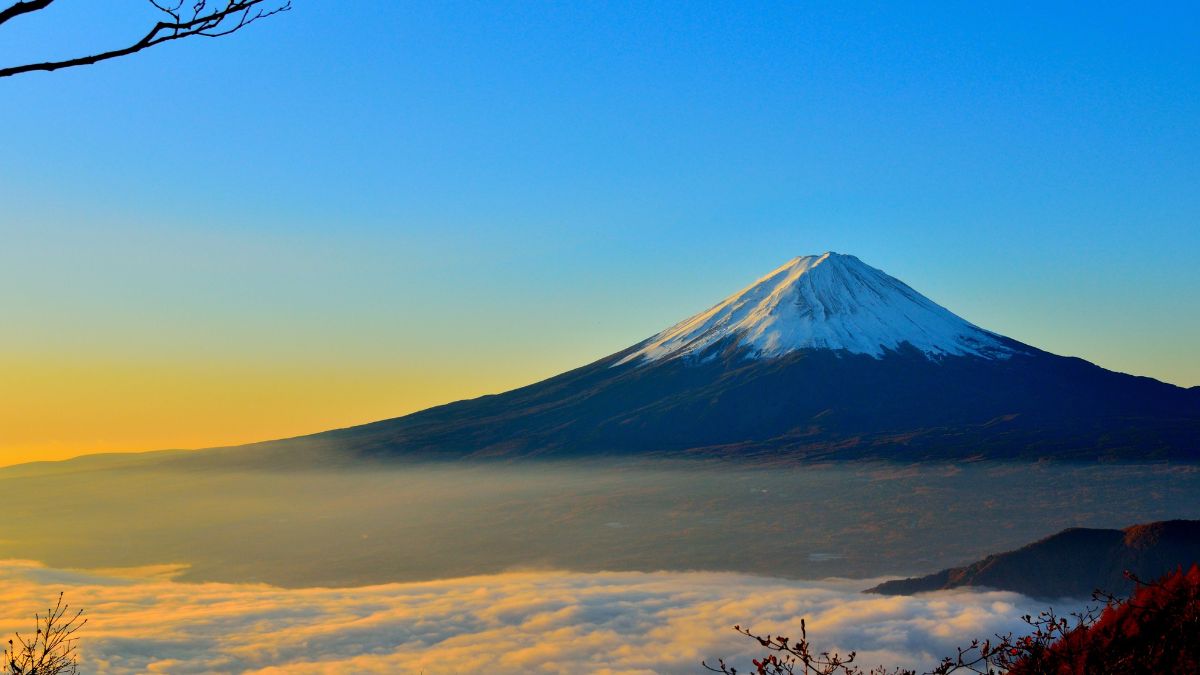
Where is Mount Everest located?
The Himalayan mountain range, which borders China's Tibet Autonomous Region and Nepal, is home to Mount Everest. It is situated in the Mahalangur Himal sub-range of the Himalayas, which is home to some of the highest peaks on Earth.
How did Mount Everest form?
Mount Everest was created when the Indian and Eurasian tectonic plates collided millions of years ago. Tectonic movement caused the Earth's crust to fold and rise, resulting in the formation of the Himalayas. Because of continuous plate movement, Mount Everest is still slightly growing.
Climbing Everest
One of the hardest and riskiest mountaineering accomplishments is climbing Mount Everest. Extreme cold, low oxygen levels, avalanches, cracks and abrupt weather shifts are all challenges faced by climbers. Every year, thousands of climbers try to reach the summit despite these risks, making it a worldwide symbol of human perseverance.
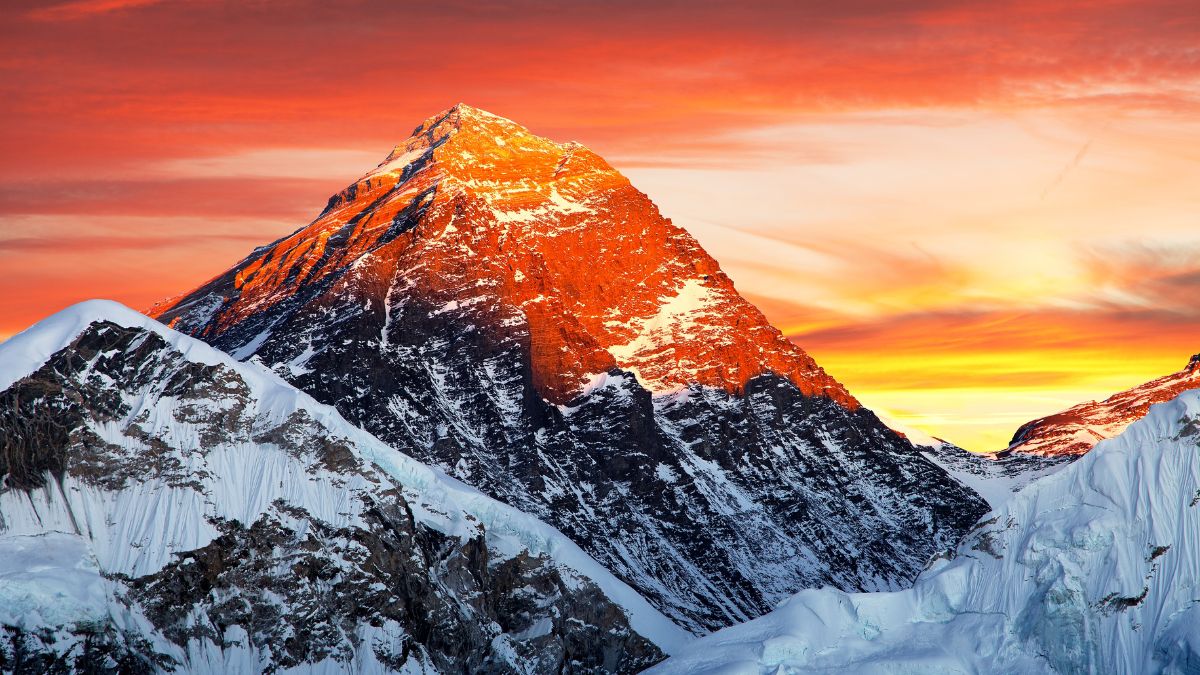
Which are the Highest Peaks in Asia?
Asia contains the world's highest mountain range, the Himalayas. Several peaks in this range exceed 8,000 metres, including K2, Kangchenjunga, Lhotse, Makalu, and Cho Oyu, reinforcing Asia's status as the continent with the world's tallest mountains.
Which is the Highest mountain in the World?
Mount Everest is the world's highest mountain, measured from sea level. Its height was officially confirmed as 8,848.86 metres through joint surveys conducted by Nepal and China, making it the world's tallest peak.
Interesting Facts About Mount Everest
World’s Highest Mountain
Mount Everest stands as the highest point on Earth, rising to 8,848.86 metres above sea level. Its summit represents the maximum elevation reached by natural landforms on the planet.
Known as Sagarmatha and Chomolungma
In Nepal, Mount Everest is known as Sagarmatha, meaning “Forehead of the Sky”, while in Tibet it is called Chomolungma, meaning “Goddess Mother of the World”. These names highlight the mountain’s spiritual and cultural significance in the region.
Extreme Weather Conditions
Temperatures near the summit can drop below –60°C, and wind speeds can exceed 160 kilometres per hour. These extreme conditions make survival difficult and are a major reason why Everest is considered one of the most dangerous mountains to climb.
Growing Every Year
Due to ongoing tectonic activity between the Indian and Eurasian plates, Mount Everest continues to rise by a few millimetres each year. This makes it a living example of Earth’s dynamic geological processes.
Global Symbol of Adventure
Mount Everest has become a worldwide symbol of adventure, determination, and human ambition. Reaching its summit is seen as one of the ultimate achievements in mountaineering and exploration.
Read more: Which Mountain Is Known as the Sacred Mountain of India?
Mount Everest is known as the Majestic Peak of Asia because of its unmatched height, overwhelming presence and global importance as the highest mountain on Earth. Keep reading for more such topics.






Comments
All Comments (0)
Join the conversation