List of Classical and Folk Dances in India
Dance has been an integral part of culture in India. The diverse nature of Indian culture comprises a variety of classical, folk, and tribal dances across the country. Today, dance forms can be broadly classified into two categories: classical and folk dance.
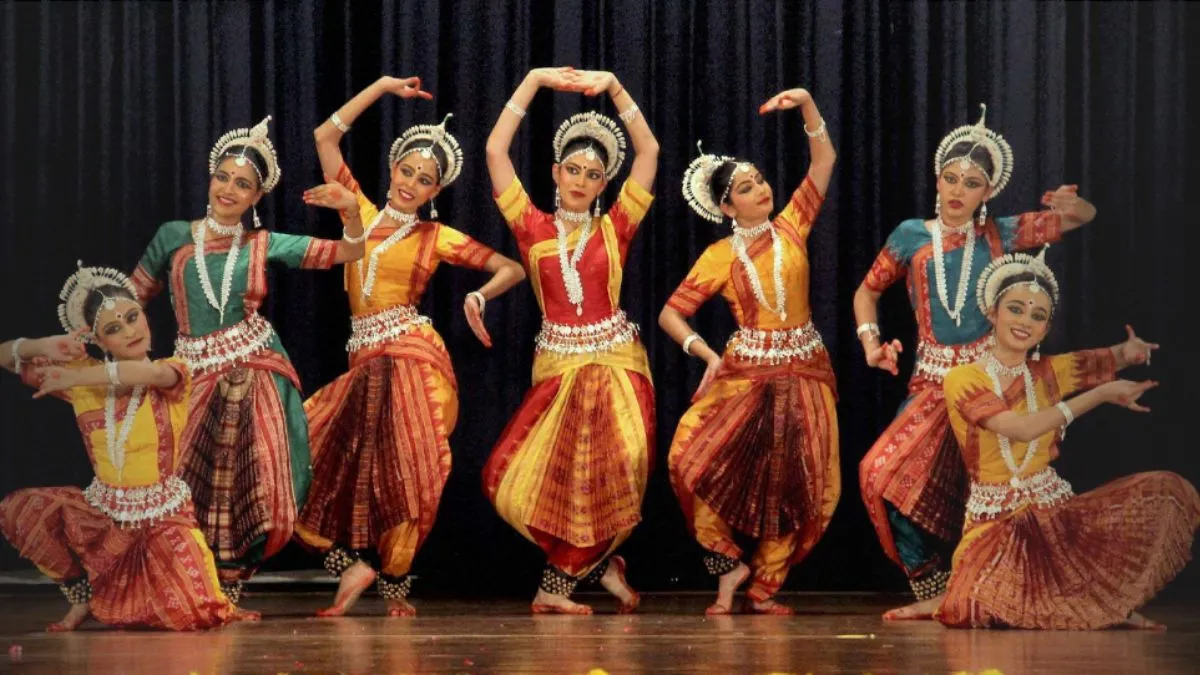
Dance has been an integral part of culture in India. The diverse nature of Indian culture comprises a variety of classical, folk, and tribal dances across the country. The origins of dance in India date back to ancient times. Several sculptures found at Indus Valley Civilisation archaelogical sites show dance forms. Several palaeolithic and neolithic cave paintings depict dance scenes. Among many, the Dancing Girl sculpture of Mohenjodaro and the broken torso from Harappa throw light into the evolution of dance forms in India. Today, dance forms can be broadly classified into two categories: classical and folk dance.
List of Classical Dances in India
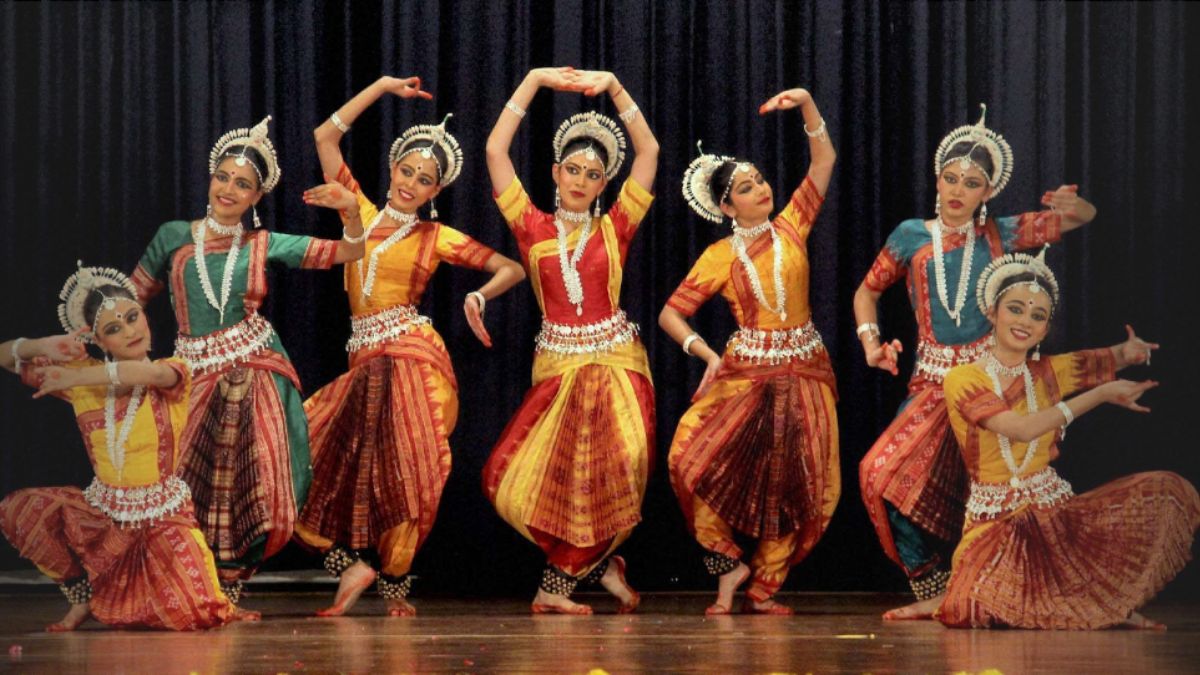
The Ministry of Culture has recognised nine classical dance forms including Chhau, a semi-classical dance form. Before we look into the list of classical dances in India, know the 8 basic techniques that are expressed in classical dance:
1. Shringar: Love
2. Hasya: Humorous
3. Karuna: Sorrow
4. Raudra: Anger
5. Veer: Heroism
6. Bhayanak: Fear
7. Bibhats: Disgust
8. Adbhoot: Wonder
The list of classical dances in India with their state of origin is as follows:
| Classical dance form | State of origin |
| Bharatnatyam | Tamil Nadu |
| Kathak | Uttar Pradesh |
| Kuchipudi | Andhra Pradesh |
| Odissi | Odisha |
| Kathakali | Kerala |
| Sattriya | Assam |
| Manipuri | Manipur |
| Mohiniyattam | Kerala |
List of Folk Dances in India
Let us look at the folk dances in India:
| State of origin | Name of Folk dances |
| Andhra Pradesh | Tappeta Gullu, Vilasini Natyam, Lambadi, Bhamakalpam, Veeranatyam, Dhimsa, Kolattam, Dappu, |
| Arunchal Pradesh | Pasi Kongki, Ponung, Popir, Buiya, Chalo, Wancho, |
| Assam | Bihu, Bichhua, Bagurumba, Naga dance, Khel Gopal, Natpuja, Maharas, Kaligopal |
| Bihar | Jata-Jatin, Panwariya, Bakho-Bakhain |
| Chhattisgarh | Gaur Maria, Pandwani, Vedamati, Kapalik, Panthi, Raut Nacha |
| Gujarat | Garba, Tippani Juriun, Bhavai, Dandiya Raas |
| Goa | Tarangamel, Shigmo, Ghode, Modni, Samayi nrutya, Jagar, Ranmale, Koli, Dekhni, Fugdi |
| Haryana | Jhumar, Loor, Gugga, Khor, Phag, Daph, Dhamal |
| Himachal Pradesh | Jhora, Chhapeli, Mahasu, Jhali, Chharhi, Dhaman |
| Jammu & Kashmir | Rauf, Kud Dandi Nach, Hikat, Mandjas |
| Jharkhand | Alkap, Jhumar, Janani Jhumar, Mardana Jhumar, Paika, Phagua, Karma Munda, Agni |
| Karnataka | Yakshagana, Kunitha, Karga, Huttari, Suggi |
| Kerala | Kaikottikali, Ottam Thullal |
| Maharashtra | Lavani, Lezim, Gafa, Nakata, Koli, Dahikala Dasavtar |
| Madhya Pradesh | Jawara, Phulpati, Grida Dance, Matki, Aada, Khada Nach, Selalarki, Selabhadoni |
| Manipur | Dol Cholam, Lai Haraoba, Thang Ta, Pung Cholom |
| Meghalaya | Nongkrem, Ka Shad Suk Mynsiem, Laho |
| Mizoram | Khuallam, Chailam, Cheraw Dance, Sawlakin, Chawnglaizawn, Zangtalam |
| Nagaland | Nsuirolians, Rangma, Zeliang, Gethinglim |
| Odisha | Ghumara, Savari, Painka, Munari |
| Punjab | Giddha, Bhangra, Dhaman, Daff, Bhand |
| Rajasthan | Ghumar, Ganagor, Chakri, Jhuma, Jhulan Leela, Suisini, Ghapal |
| Sikkim | Chu Faat, Sikmari, Denzong Gnenha, Yak Chaam, Tashi Yangku, Singhi Chaam or the Snow Lion, |
| Tamil Nadu | Kolattam, Kumi, Kavadi |
| Tripura | Hojagiri |
| Uttar Pradesh | Raslila, Nautanki, Jhora, Kajri, Chappeli |
| Uttarakhand | Kumayuni, Garhwali, Jhora, Kajari, Raslila |
Dance Forms in India History
The history of dance can be categorised into three main time divisions:
(i)The evidence of dance forms found in the cave paintings, engravings, and sculptures of the Indus Valley Civilisation and literary evidence from the Vedas, the Upanishads, the Brahmans, and the epics.
(ii) The second period is from the second century B.C. to the ninth century A.D. This period includes the evidence from Buddhist stupas such as those of Sanchi, Amravati, Bharbut, and the caves of Ellora and the temples across different regions of India, especially the early Gupta temples.
(iii) The third period, from the tenth or eleventh to the eighteenth century A.D, includes the early medieval and late medieval monuments. In the later half of the first Vedic India and in the second period, Sanskrit had an enormous influence on the intellectual and artistic life of the people. The third period saw development of regional music and dance styles.
The Nata Sutras, mentioned in the text of Panini, contain the literary evidence of earliest dances. Speaking of literary evidence, the epics Ramayana and the Mahabharat prescribed many dance performances. The earliest mention of dance can be found in Bharat Muni's Natyashashtra (between 2nd century B.C.E and 2nd century C.E.). It is revered as the Fifth Veda.

Roopashree Sharma is an experienced broadcast journalist with over 7 years of experience, specialising in beats including geopolitics, defence, and general awareness. She has worked in the roles of correspondent and producer for leading media houses, including Zee, WION, and Economic Times. Currently serving as Deputy Manager – Editorial at Jagran New Media, she produces explainer articles and videos for the General Knowledge (GK) section of the Jagran Josh (English) portal. For inquiries, contact her at roopashree.sharma@jagrannewmedia.com.


