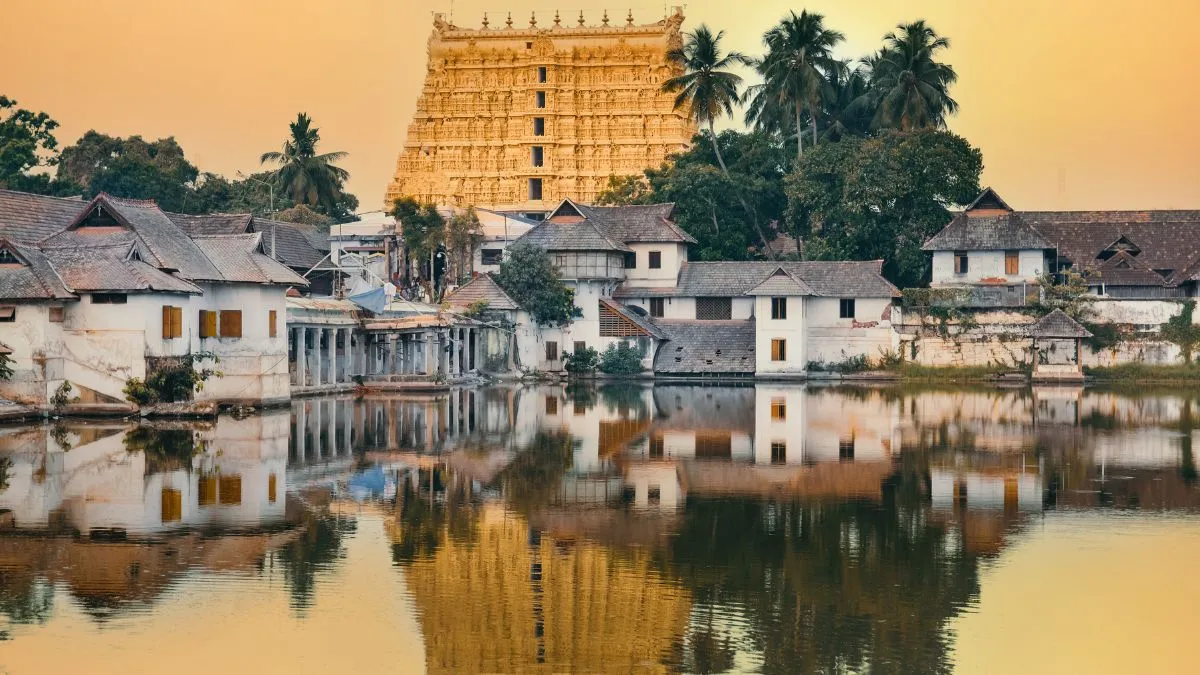
Ancient civilisations across the world are remembered for their centres of knowledge and culture. Athens became the foundation of Western philosophy, while in India, one city rose as a symbol of learning, literature, and intellectual thought in the East.
Which City Is Known as the Athens of the East?
Madurai is known as the Athens of the East. The title reflects Madurai’s long-standing role as a centre of education, literature, philosophy, and cultural development in South India, similar to the role Athens played in ancient Greece.
Why Is Madurai Called the Athens of the East?
Madurai earned this title due to its association with Tamil Sangam literature, scholarly debates, temple-based education, and royal patronage of poets and philosophers. The city became a nucleus of knowledge where ideas, language and arts flourished for centuries.
Ancient Learning Centre of South India
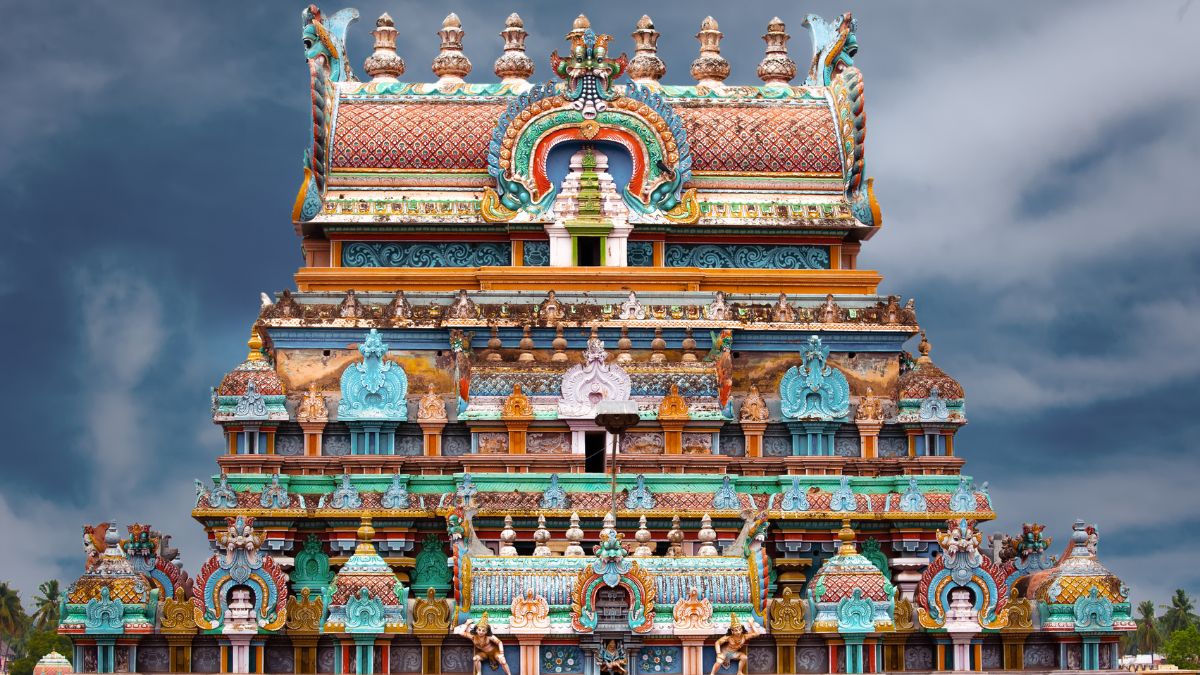
Madurai functioned as one of the earliest learning centres in South India. Scholars gathered here to study grammar, poetry, philosophy, and theology, making it a respected intellectual hub of the ancient world.
Cultural Capital of Tamil Nadu
Madurai is widely recognised as the cultural capital of Tamil Nadu. Classical music, Bharatanatyam, temple festivals, and traditional arts continue to thrive, preserving centuries-old heritage and reinforcing the city’s cultural authority.
Role of Tamil Sangams in Indian History
The Tamil Sangams held in Madurai were assemblies of eminent scholars and poets who shaped Tamil literature. These Sangams standardised grammar, literary styles, and philosophical thought, giving Madurai a status similar to Athens’ academies.
Historical Importance of Madurai City
Madurai served as the capital of the Pandya dynasty, one of India’s oldest dynasties. As a political and administrative centre, it attracted scholars, traders, and artists, strengthening its influence across southern India.
Meenakshi Amman Temple as a Knowledge Hub
The Meenakshi Amman Temple was not only a religious centre but also a space for learning, sculpture, mathematics, astronomy, and philosophy. Temples acted as educational institutions, supporting the city’s intellectual ecosystem.
World’s oldest living languages
Madurai played a major role in preserving and promoting Classical Tamil, one of the world’s oldest living languages. Many foundational literary works were composed or refined in this city.
Why Madurai Is Compared to Athens?
Both cities acted as centres of intellectual leadership during their peak periods. Athens shaped Western philosophy, while Madurai shaped South Indian literature, ethics and cultural identity through sustained scholarship.
Interesting Facts About Madurai
One of the Oldest Continuously Inhabited Cities
Madurai has been inhabited for over 2,500 years without interruption, making it one of the oldest living cities in the world with an unbroken cultural tradition.
Birthplace of Classical Tamil Literature
Many early Tamil literary standards were created in Madurai, shaping South Indian education and language systems for centuries.
Advanced Urban Planning in Ancient Times
The city was designed around the Meenakshi Temple with concentric streets, reflecting scientific town planning used in ancient India.
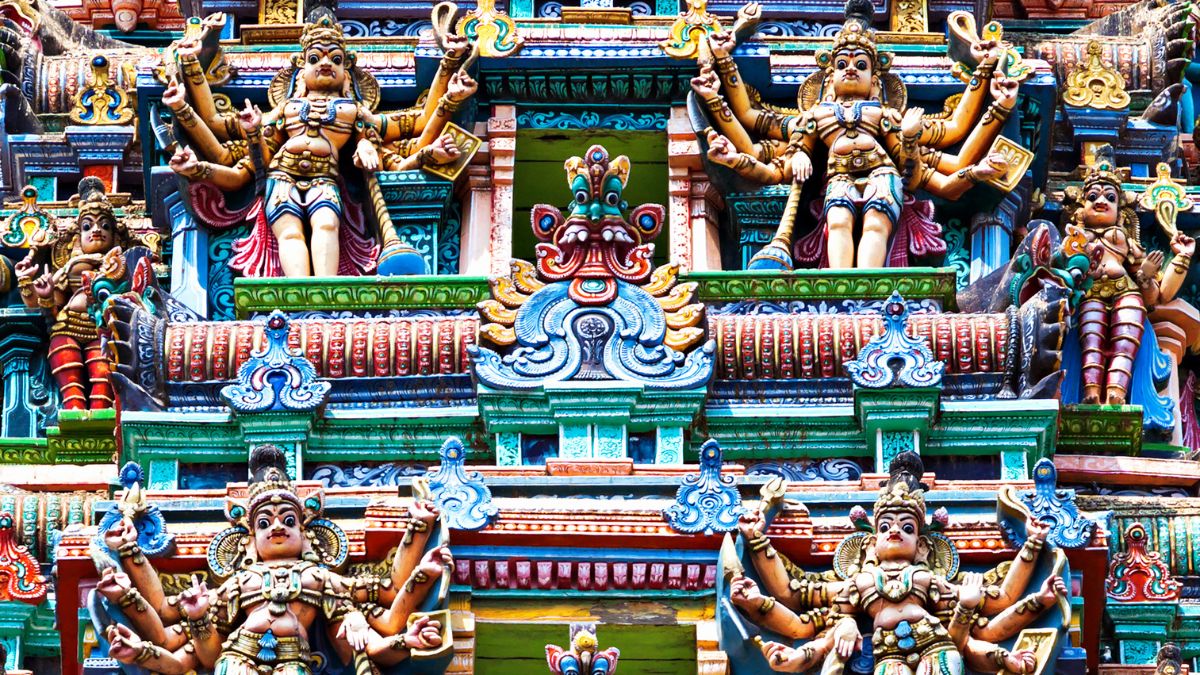
Centre of Art, Sculpture and Architecture
Madurai’s temples showcase detailed stone carvings and architectural precision, reflecting deep artistic and mathematical knowledge.
Cultural Influence Beyond Tamil Nadu
Madurai’s literary and cultural traditions influenced neighbouring regions and contributed to India’s broader classical heritage.
Read more: Which City Is Known as the City of Weavers?
Madurai is known as the Athens of the East because of its unparalleled legacy in education, literature, culture and intellectual development. Keep reading for more such articles.





Comments
All Comments (0)
Join the conversation